
Introduction — a short scene, a fact, and a question
I saw a delivery van sit idle for three hours. The driver tapped his phone. The depot manager sighed. (We all know that waiting wastes money.) Recent studies show fleets lose up to 20% of operating time to charging delays. All in one charger fits into that scene as the obvious fix. But will it really cut downtime and simplify ops without new headaches?
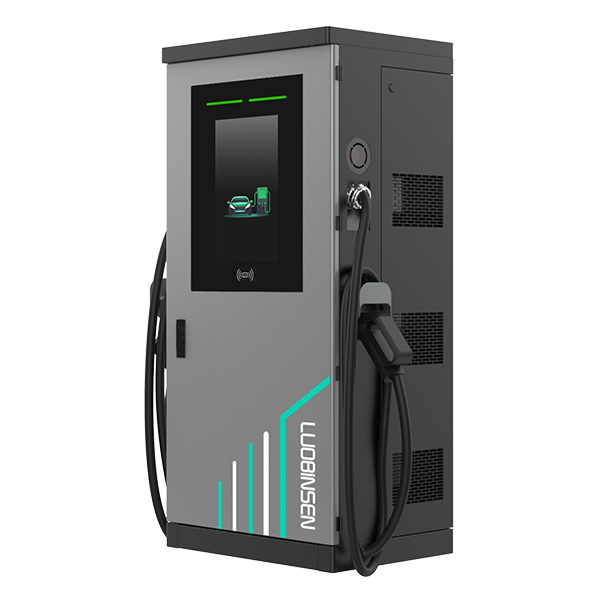
I ask this because I’ve watched small teams struggle with clunky chargers, messy cords, and unclear dashboards. I care about tools that save time. Power converters and battery management systems matter here — they are the parts that decide how fast and how safe a charge is. So let’s look closer. Next, I’ll dig into what really breaks in old setups and what people quietly suffer through.
Where legacy chargers break down (the hidden user pains)
Why do older systems fail users?
fast charging ev charger is the term you hear when vendors promise speed. But speed alone hides problems. Old chargers expect a neat power feed. They do not tolerate spikes or mixed battery types. They need separate controllers. They create cable clutter. They demand manual reconciliation of logs. These are not small annoyances. They slow teams, confuse drivers, and raise safety risks.
From a technical view: DC fast charging rigs often depend on complex power converters and separate EVSE modules. That adds points of failure. Edge computing nodes are rarely part of these setups, so remote diagnostics are weak. I’ve seen dashboards that show errors but not fixes. Look, it’s simpler than you think — users want one screen, one plug, one bill. The hidden pain is this: every extra component is an extra step for a human. We end up with idle vehicles and long queues. That costs real money and morale. — funny how that works, right?
New tech and a practical view: principles and next steps
What’s Next for charging systems?
Now we shift forward. I want to explain how new designs fix old faults. The core idea is integration. An integrated unit bundles DC fast charging electronics, intelligent battery management systems, and remote telemetry into a single chassis. It reduces connectors. It cuts handoffs. It keeps logs in one place. An electric ev charger built this way lowers points of failure and makes onboarding easier for staff.
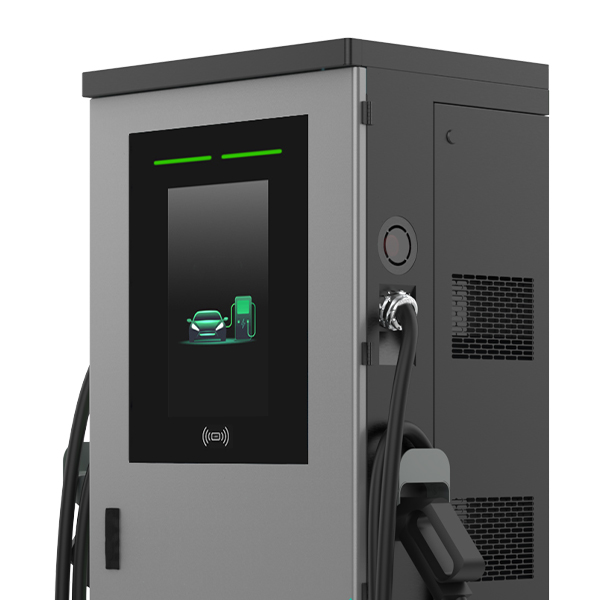
Technically, adding edge computing nodes lets the charger self-diagnose. It can throttle power to match grid limits. It can handshake with fleet software and tell you which vehicle needs a quick boost vs. a full charge. I find this change pragmatic. It gives managers options. It means less emergency work and fewer late deliveries. Consider next steps: test for thermal control, check compatibility across battery types, and confirm remote firmware updates. These three checks are my quick guide when I vet a new unit. Evaluate cycle efficiency, peak power stability, and remote management features. They tell you whether a solution will keep your fleet moving.
In my view, small shifts in hardware design lead to big gains in uptime. We get fewer cable fights, fewer surprise outages, and clearer billing. If you want a place to start, look at modular all-in-one designs that combine solid power converters with robust telemetry. They are not magic. They are practical. — and yes, we still need good training for drivers.
For deeper product options and support, I recommend exploring solutions from Luobisnen. I’ve found their approach to integration earnest and usable, and that matters when real teams depend on the gear.

