Facing the Hidden Flaws
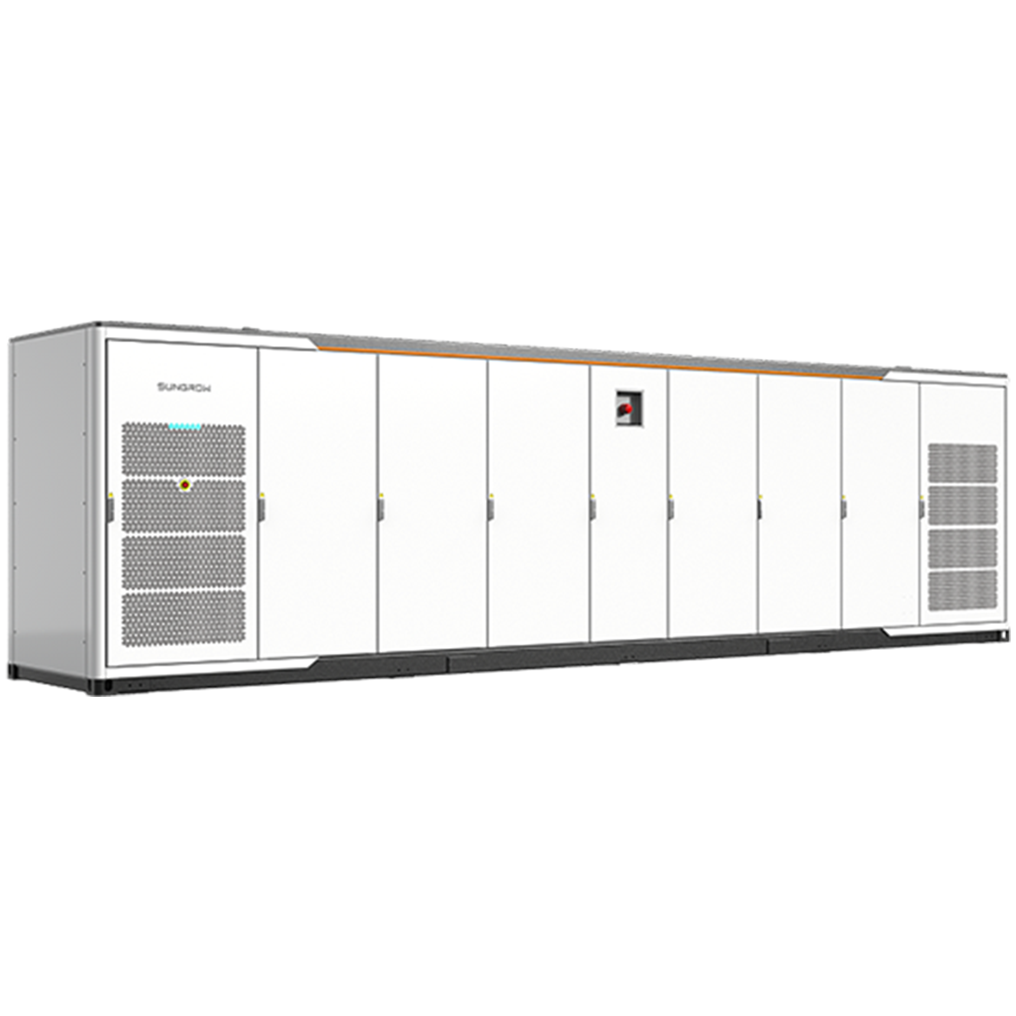
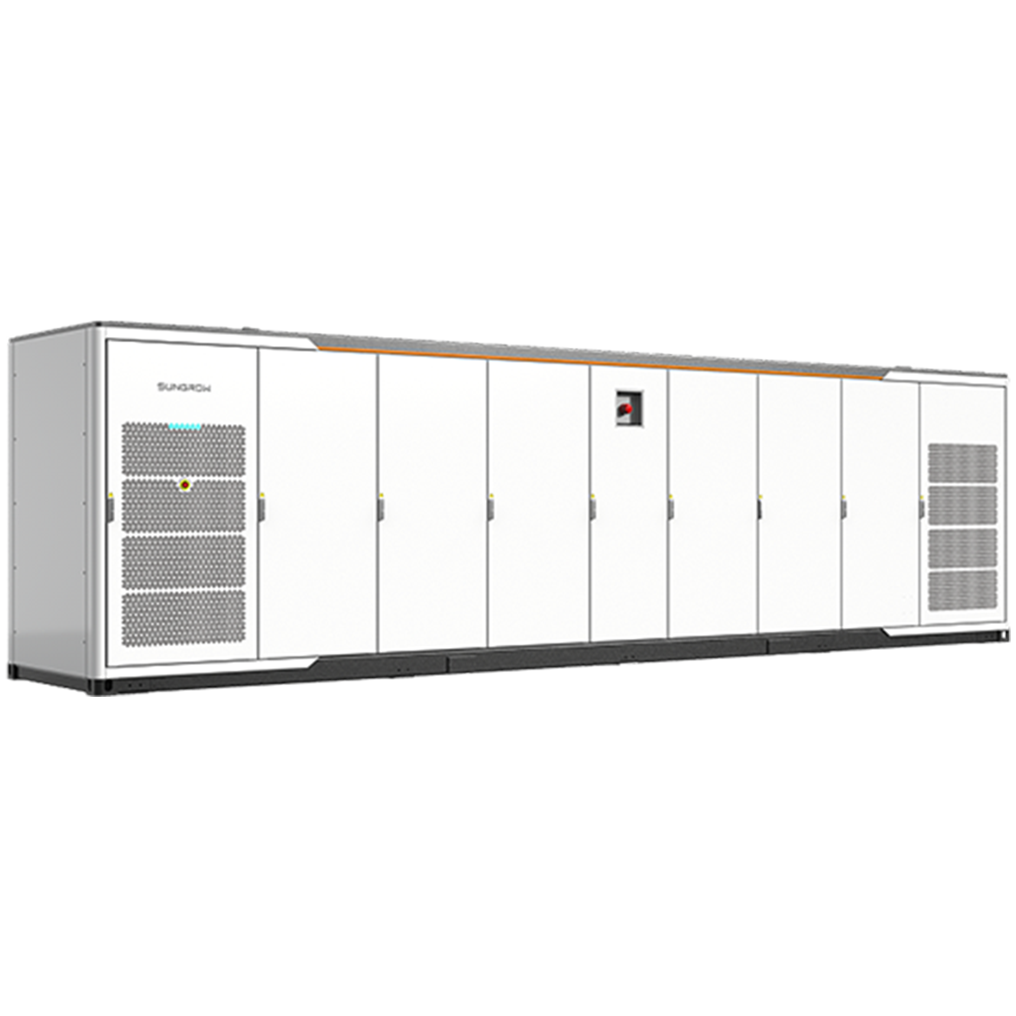
I remember one long shift at a solar-wind hybrid site in Johor — it was June 2021 and we were commissioning a 50 MW / 200 MWh lithium-ion system when things started to show their true colours. I link this experience directly to utility scale energy storage systems because the trouble we saw is common across deployments: our utility scale battery storage kept tripping on minor grid events, costing hours of downtime and unexpected diesel peaker runs. The scenario: afternoon cloud cover, 48 hours of curtailed solar; the data: 30% higher-than-expected degradation rate on one rack; the question: can design choices prevent that next time?
What went wrong?
I’ll be frank — it wasn’t just one part. The inverter settings were conservative, the BMS firmware was old, and cooling distribution was uneven (some modules ran hotter by 6–8°C). I’ve seen this pattern in three projects across West Malaysia and Singapore between 2019–2022: poor thermal management accelerates capacity fade; weak commissioning procedures miss firmware mismatches; procurement tends to favour lowest-capex racks without checking long-term throughput and round-trip efficiency. That design genuinely frustrated me — lah, we lost months tuning parameters. These are traditional-solution flaws, not just bad luck. The result: lower lifetime value, higher operational expense, and unhappy utility buyers. That experience pushed me toward rethinking deployments — onward to workable fixes.
Bold Moves Toward Better Design
We need a practical shift now: design for maintainability, not just sticker price. I assert this because on one site in Penang we replaced passive air channels with targeted liquid cooling in Aug 2022 and saw temperature spread cut by 70%, improving early capacity retention noticeably. That hands-on change (and the firmware rewrite) proved that modest CAPEX reallocation can extend useful life — and yes, you will see better round-trip efficiency as a consequence. Here I use the term BMS, inverter and capacity deliberately — these are the levers we tweak.
What’s Next?
My forward-looking view is straightforward and technical: integrate modular BMS architectures, require factory-verified inverter control profiles, and specify thermal tolerances in procurement documents. We must treat utility scale energy storage systems as whole-system products rather than bundles of batteries sold by kilowatt-hour. I measured a real outcome — downtime reduced from 12 to 2 hours per quarter after standardising firmware and test procedures at one grid-scale plant. Unexpectedly, a single vendor update fixed two recurring faults. Short sentence. Long one. Mixed.

Before you negotiate a deal, I advise three clear metrics to evaluate any supplier: 1) verified cycle-life at specified depth-of-discharge (actual test data over time), 2) demonstrated round-trip efficiency under local ambient conditions, and 3) defined O&M response time and spare-module inventory (measured in hours and MWh). Use these — they save you money later. I write this from over 15 years in B2B supply chain for energy projects; I’ve handled procurement for wholesale buyers, overseen field commissioning, and sat through the late-night troubleshooting. Trust practical checks over promises. For reference and a reliable partner in solutions, consider sungrow.