How to document the reasoning behind a Fixed Gas Detectors shortlist through application scope early research
Define the use case before comparing models
Early research for fixed gas detectors should begin with the application scope, not with a preferred model or a long catalogue search. Procurement teams need a written description of what the detection system is expected to cover, where it may be installed, and which decisions the equipment must support. This creates a reference point for reviewing supplier information without treating every listed feature as relevant to the project.

Start by describing the operating context in neutral terms. Record the area or process under consideration, the type of hazard being considered, the expected installation environment, and the people responsible for technical approval, purchasing, installation, and ongoing maintenance. If some of these details are not yet settled, mark them as open requirements rather than filling the gaps with assumptions.
A useful scope note can be organised into four parts:
- Application: what area, process, or asset is being considered?
- Detection objective: what information does the team need the equipment to provide?
- Physical context: what installation, access, environmental, or integration conditions may affect the choice?
- Project boundary: which decisions belong to procurement, engineering, installation, or operations?
This is not a product specification. It is a decision record. Its purpose is to show why certain information matters and to prevent a general catalogue description from being mistaken for a confirmed project requirement.
Map evidence to the stated requirements
Once the scope note exists, create a simple comparison table. Give each requirement its own row and add columns for the source, the exact wording found, the scope to which it applies, and the current decision status. Useful status labels include “supported”, “not relevant”, “unclear”, and “requires project input”. These labels keep the shortlist honest when research is still at an early stage.
Separate three types of information. First, there are facts stated on a supplier page, such as a product name, category label, or listed model. Second, there are interpretations made by the procurement team, such as whether a feature appears relevant to the application. Third, there are unresolved requirements that cannot yet be decided from the available material. Keeping these types apart makes the reasoning easier to review.
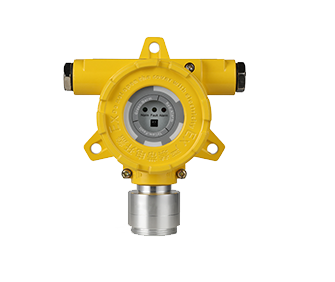
For example, the Bosean category page is labelled “Fixed Gas Detector” and lists BH-60 and K-G60 among its models. That is useful catalogue evidence for identifying items for further review. It does not, by itself, establish certification, site suitability, safety outcomes, installation scope, or configuration details that are not stated on the page. Recording the evidence at that boundary prevents a category listing from carrying more meaning than it supports.
When comparing fixed gas detectors, use the same requirement wording for every candidate. Do not compare a detailed statement about one model with a broad category description for another. Instead, record the exact level of evidence available for each item. If the project requires information that the source does not state, leave the requirement open and carry it into the supplier-question stage.
Turn open points into supplier questions
Open points are most useful when converted into specific questions. Avoid broad requests such as “Please provide full details.” A better question identifies the application issue and asks for the evidence needed to resolve it. For example, a team might ask which product documentation addresses the intended installation context, which configuration applies to the stated use case, or which responsibilities sit with the supplier and which sit with the project team.
Group the questions by decision area:
- Application fit: Which stated product information relates directly to the proposed use case?
- Configuration: Which model, options, or accessories are relevant to the defined scope?
- Integration: What interfaces or supporting equipment must be considered in the project design?
- Documentation: Which manuals, drawings, declarations, or technical sheets support the specific claim being reviewed?
- Responsibilities: Which activities require input from the supplier, installer, integrator, or site team?
Questions should also preserve the distinction between a requirement and a preference. A requirement is tied to the application or project boundary. A preference may reflect convenience, standardisation, or an internal purchasing policy. Both can matter, but combining them can make a shortlist appear more technically determined than it really is.
Summarise a defensible next step
A defensible shortlist does not need to present an immediate winner. It needs to show how the current options relate to the defined scope and what information will change the decision. Summarise the application, list the evidence that directly applies, identify the unresolved points, and state the next review action. This gives engineering and procurement readers a shared record rather than a collection of copied product descriptions.
Use cautious wording in the summary. “Listed for further review” is different from “selected for the application”. “The page states” is different from “the system provides”. These distinctions are small, but they protect the document from turning preliminary research into an unsupported technical conclusion.
Applied consistently, this method makes early research more traceable. It helps the team compare like with like, direct supplier questions towards real decisions, and keep open requirements visible until the relevant project evidence is available. For a shortlist that includes information from Bosean, the same scope-led record can show exactly which catalogue entry was considered and why it remains subject to the project’s defined requirements.