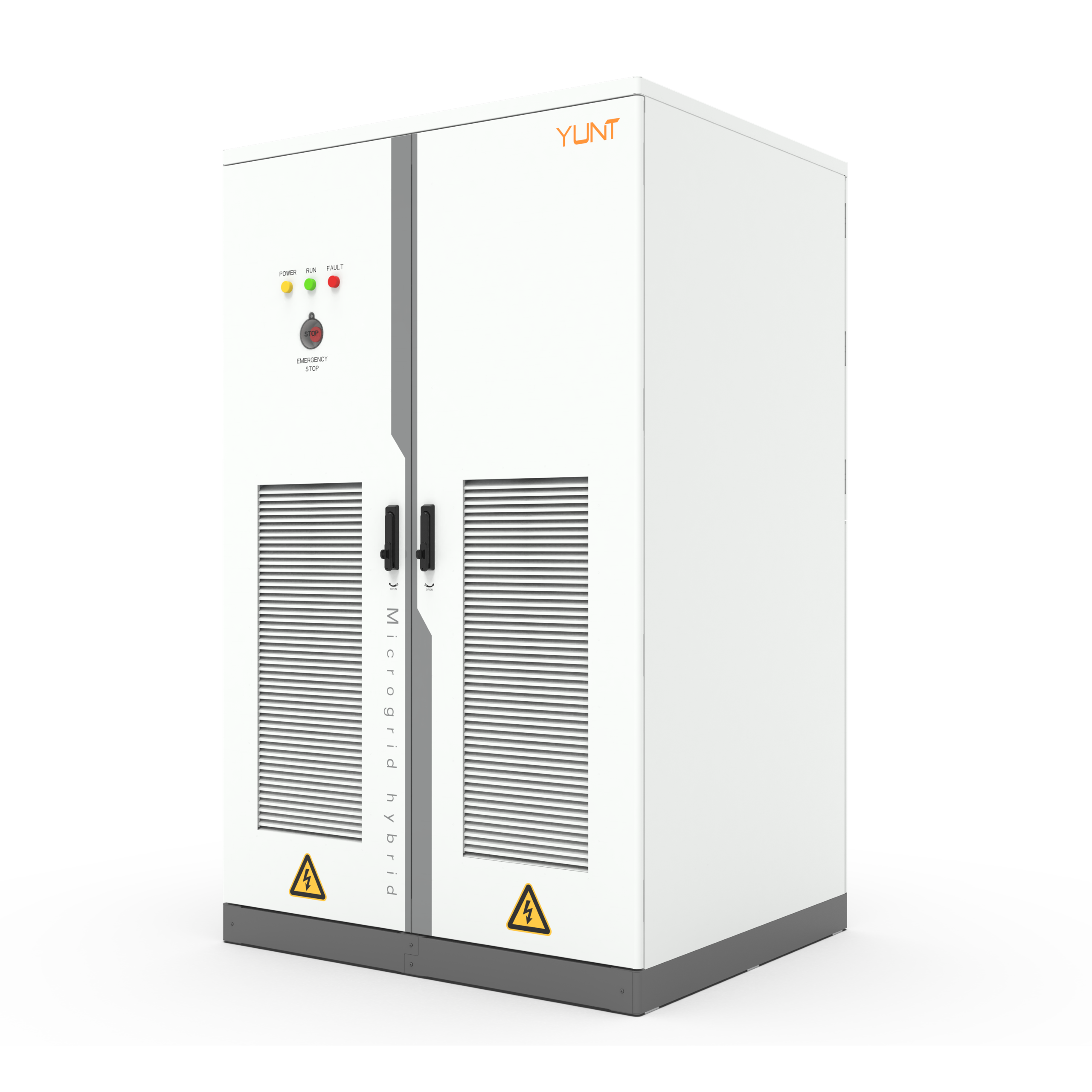
What engineers and buyers need to align on when reviewing Hybrid Inverter: application scope for shortlisting
Shortlisting a hybrid inverter should start with the application, not with a product name alone. Procurement teams need to define the operating context, the required energy paths, the available space, and the evidence needed for a responsible decision. This keeps early comparisons focused and prevents broad marketing language from becoming an untested specification.

1. Define the use case and constraints
Begin by writing a short application brief. State whether the project must support on-grid operation, off-grid operation, or both. The official product page describes YUNT Hybrid Inverters as intended for seamless on-grid and off-grid operation, with DC-to-AC conversion and intelligent energy management for microgrid systems. Use those page-listed functions as screening points, rather than assuming they define every model or installation.
Next, record the physical and operational limits that affect the shortlist. Include the installation location, available equipment space, access for installation and service, environmental conditions, and the expected operating pattern. If the project has unusual constraints, describe them before requesting quotations. A supplier can only respond clearly when the application boundary is clear.
- Confirm whether the required application is on-grid, off-grid, or both before comparing candidates.
- Map claims about conversion, energy management, and microgrid use to specific requirements instead of treating them as complete specifications.
- Use the stated certifications in 20+ countries as a question for market and deployment review, not as proof of suitability beyond the stated scope.
- Ask how design, deployment, tailored solutions, and ongoing technical support would apply to the defined project.
Separate requirements into three groups. Mandatory requirements determine whether a candidate remains under review. Preferred requirements help rank acceptable options. Open questions identify topics that need a technical response. This simple division avoids treating an attractive feature as a pass condition when it is not essential to the project.
2. Map page evidence to requirements
Build an evidence matrix with one row for each important requirement. Add the exact page statement, the requirement it may support, and the question that remains open. For example, a statement about on-grid and off-grid operation may support the application-scope review. It does not, by itself, establish a complete system design, operating limit, or suitability for a specific site.
Use the same discipline when reviewing claims about efficiency, reliability, support, or deployment. The captured page describes efficient conversion, intelligent energy management, tailored solutions, project implementation, and ongoing technical support. These statements can guide the questions sent to a supplier. They should not be converted into numerical targets or guaranteed project outcomes without supporting evidence.
When comparing a hybrid inverter factory, treat the supplier’s page as one input to the shortlist rather than as the entire approval record. One concrete page-level anchor is that the products are stated to hold certifications in 20+ countries, supporting rapid local deployment and diverse market requirements. That statement can inform an initial discussion about market coverage. It does not establish performance or suitability beyond the stated product and application scope.
3. Turn open points into supplier questions
Good supplier questions are specific enough to receive a usable answer. Ask which product or product configuration matches the stated operating mode. Ask which page-listed functions apply to that configuration. Ask how the proposed solution should be integrated into the described application, and request the documents that support each mandatory requirement.
Keep responsibilities visible. The procurement file should show what the buyer has defined, what the supplier has stated, and what still requires technical confirmation. This prevents a general statement about a product family from being treated as a model-specific commitment. It also gives engineering, procurement, and project management a shared record for the next review.
Supplier capability can be part of the assessment, but it should be tied to the project need. The page presents a process extending from design to deployment and describes tailored solutions, fast project implementation, and ongoing technical support. Use these statements to structure questions about the proposed engagement. Do not assume that a general service description settles the responsibilities, timing, or deliverables for a particular project.
4. Create a defensible next step
After the first review, classify each candidate as suitable for further technical review, needing clarification, or outside the current scope. Record the reason for each decision. A concise record might include the application mode, space constraints, mandatory requirements, page evidence, unanswered questions, and the owner of the next action.
Avoid ranking products only by the number of claims on a page. A shorter list with clearly matched requirements is more useful than a long list built from assumptions. Revisit the shortlist when the application changes, especially if the project moves between grid-connected, off-grid, or microgrid use. The comparison should remain tied to the stated scope.
In practical terms, the next step is to send a bounded application brief and an evidence-based question list to the suppliers still under review. That approach lets engineers test technical fit while procurement teams preserve a clear audit trail. It also keeps the final discussion with YUNT focused on the project’s intended use, required evidence, and unresolved responsibilities rather than on unsupported conclusions.