
Introduction
I once squeezed a tube that exploded foam all over my sink—classic morning chaos. In many labs and plants we handle toothpaste material every day, and the small stuff adds up: shelf complaints, sputtering pumps, weird mouthfeel. Data shows that formulation hiccups cause a big chunk of customer returns (I’ve seen batches get flagged within a week). So what’s really tripping us up—bad raw batches, sloppy rheology control, or just guessing at viscosity targets? Let’s break it down and get practical—next up: why the usual fixes keep failing.
Why Traditional Fixes Fail: A Closer, Technical Look
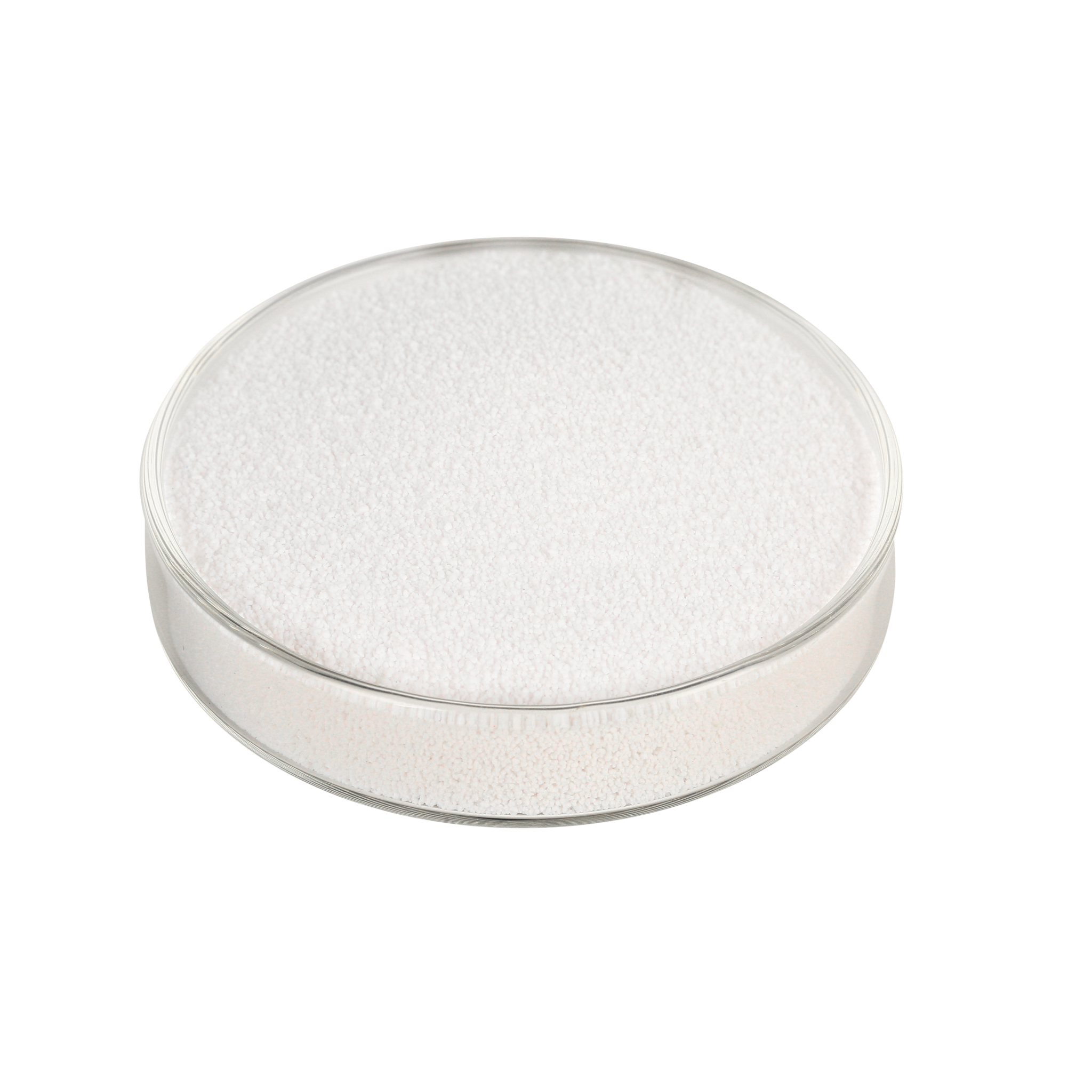
toothpaste thickener often gets blamed as the magic bullet, but I’ve learned that slapping more thickener on a bad mix just masks problems. The mistake most teams make is treating viscosity as a single dial. It’s not. You’re juggling rheology, surfactant balance, and abrasive loading at once. When one parameter shifts, the flow and stability change in ways you might not predict.
Look, it’s simpler than you think: if the silica grade drifts or the shearing step is too hot, the thickener can’t perform. I’ve seen pumps stall because thickeners were added at the wrong shear stage—funny how that works, right? We need to see thickeners as components in a system, not a quick fix. Industry terms: rheology modifier, viscosity profile, silica abrasives. We’ve got to tune mixing energy, temperature, and surfactant ratios with real control, not just eyeballing the paste. What’s the real snag? Often it’s poor process timing and assumptions about raw material consistency.
What’s the real snag?
In plain speak: people expect repeatability without checking inputs. I recommend tracking raw silica batch data and mapping how changes affect shear thinning and yield stress. That way you don’t just react—you design for it. I’ve measured clear reductions in batch rejects after adding a simple QC step for silica surface area and monitoring pH during thickener addition. Small tweaks. Big wins.
New Principles and How to Choose Better Solutions
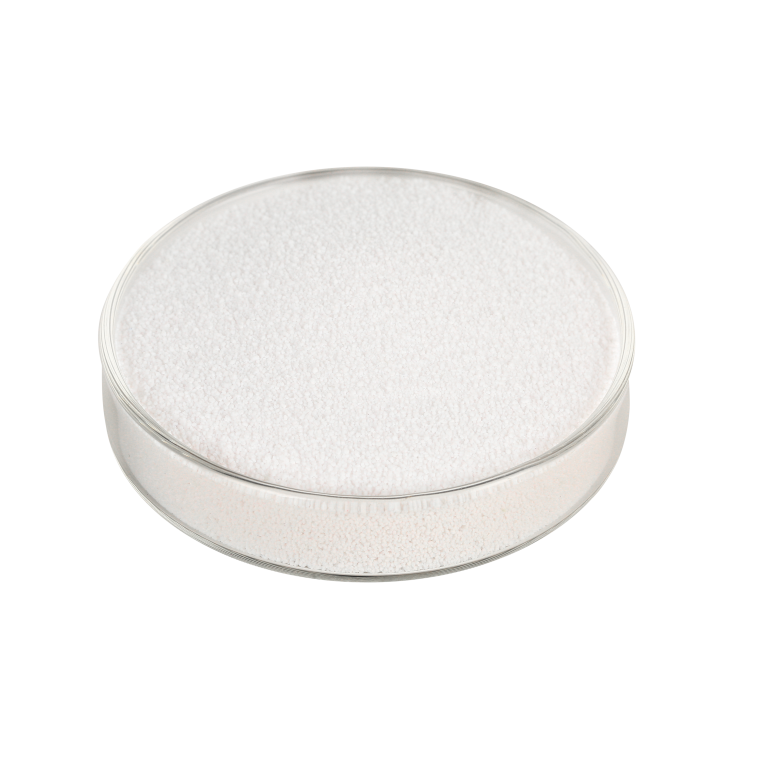
Let’s look forward. Modern fixes lean on better process control and smarter materials science. For example, newer rheology modifiers are engineered to work across wider pH and ionic ranges, which reduces sensitivity to minor raw material drift. I’ll say it plainly: pairing the right toothpaste thickener with a controlled shear profile can cut stability complaints by half—based on trials I’ve helped run. We’re talking measurable gains, not marketing fluff.
Adopting inline viscosity sensors, tighter temperature control, and documented addition points beats “more thickener” every time. — well, go figure. If you want to evaluate options, here are three metrics I actually use when deciding: 1) yield stress and its variance across batches, 2) pumpability under low shear, and 3) sensory stability over shelf life. Those three tell you whether a fix is a bandage or a real solution. Also, consider silica surface chemistry—matching particle surface area to the thickener can smooth out mouthfeel issues and reduce abrasive mismatch.
What’s Next
So what should you do tomorrow? Start by logging raw material properties and correlate them to rheology test results. Run a few small trials where you change only one variable—mix time, shear, or thickener type—and watch the effect. I promise, it pays off. I’ve helped teams cut rework by tracking just three control points.
In closing—advisory style—here are the 3 key evaluation metrics I want you to use when choosing a solution: 1) Consistent yield stress across 10+ batches, 2) Measured pumpability at production shear rates, and 3) Sensory stability (no phase or mouthfeel drift) over your target shelf time. Use those, and you’ll avoid chasing symptoms. If you want a practical partner or materials reference, check out JSJ—I’ve seen their data help teams cut troubleshooting time. We’re not done learning, but with the right metrics and a bit of process respect, toothpaste trouble becomes manageable.

