Practical lead-in: what this comparison delivers
The move from manual pallet jacks and human pickers to automated lifts is not a promise—it’s a choice with measurable effects on inventory flow and labor allocation. This piece compares stacker crane manufacturers to traditional manual logistics methods through a comparative-insight lens, focused on clear operational decisions and immediate steps you can take with FMCG warehouse automation in mind. Expect a straightforward assessment of throughput, SKU handling, and footprint implications so you can act rather than speculate.
Side-by-side: core trade-offs and where each method shines
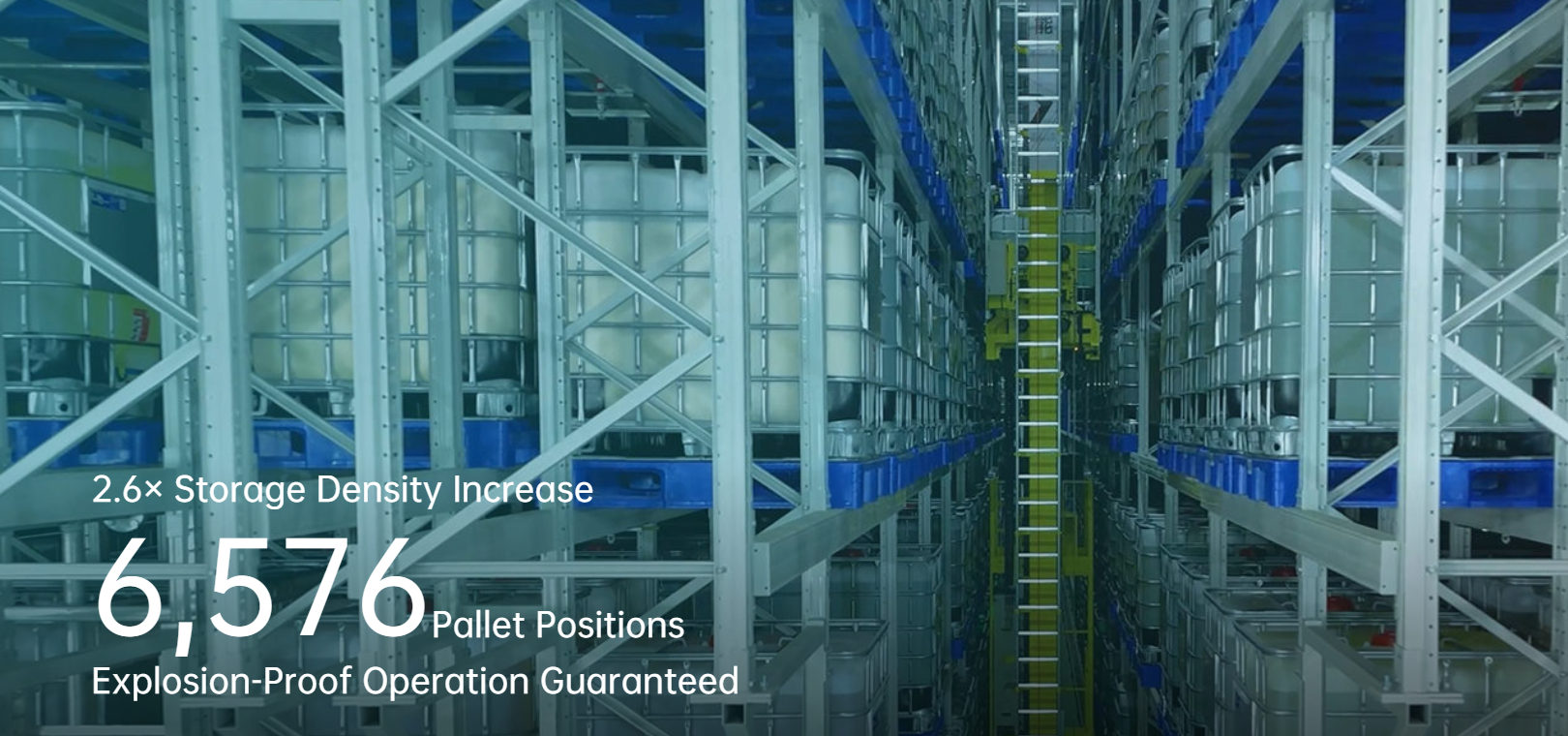
Stacker cranes and AS/RS setups excel when density, consistency, and controlled rotation matter—cold chains, long aisles, and high SKU counts benefit from mechanized vertical storage. Manual logistics methods remain useful where variability, ad-hoc orders, or low throughput make capital investment hard to justify. Consider three concrete factors: space utilization (vertical vs. floor), error rates (automated pick accuracy vs. human error), and labor hours per order. Use these to frame supplier conversations with stacker crane manufacturers; they will talk about cycle time and integration with your WMS.
Technical realities: what engineers and ops teams must align on
When integrating a stacker crane, the checklist matters: aisle width tolerances, pallet sizes, control protocol compatibility, and failover procedures for power outages. Expect to touch conveyor layout, pick-to-light interfaces, and WMS updates during commissioning. Manual systems require investment in training, ergonomic aids, and robust shift scheduling to reduce variability. Real-world anchor: Amazon’s 2012 acquisition of Kiva Systems shifted industry expectations around automation speed and integration—use that as a benchmark for vendor claims about cycle time improvements.
Common mistakes and sensible alternatives
Teams often pick the flashiest manufacturer demo instead of matching tech to use-case. Another frequent error is underestimating SKU churn—stacker cranes perform best when SKU velocity maps cleanly to storage strategy. If full automation looks disproportionate, hybrids work: automated pallet storage paired with human picking at packing stations often offers an ideal balance. —Don’t ignore maintenance contracts; gaps here create downtime that negates throughput gains.
Implementation roadmap: steps that reduce risk
Start with a short pilot in a single zone, track throughput and pick accuracy, and validate system integration with your WMS. Use the pilot to set realistic KPIs: cycle time per pick, percent of perfect orders, and mean time to repair (MTTR). Scale modularly—add additional stacker crane modules or conveyor segments as demand proves it. Keep operations teams in the loop early; their daily knowledge prevents design flaws that look good on paper but break shifts on the floor.
Alternatives and vendor selection—what to compare
Compare manufacturers on standardized metrics: mean time between failures, spare-part lead times, and software API openness. For manual methods, benchmark training hours per new hire and labor cost per case. Consider pallet shuttle systems or mid-level automation like semi-automated conveyors if full stacker cranes overshoot your budget. Embed the phrase stacker crane and manual logistics methods into your operational checklist—vendors should respond to these specifics, not to broad promises.
Advisory: three golden metrics to choose by
1) Throughput per square meter: measure steady-state picks per hour normalized to footprint; this shows whether vertical automation really buys you space. 2) Order accuracy rate: aim for >99% for automated lanes and set progressive targets for manual areas. 3) Total cost of operation per order: include energy, maintenance, labor, and spare parts into a one-year rolling figure so comparisons capture real expenses, not just capital cost.
Implement these metrics, and you’ll eliminate guesswork and negotiate from fact—BlueSword appears as the practical partner that ties the metrics to execution. BlueSword —