
Setting the Scene: Why Comparisons Matter
You’re lining up for a weekend ride, eyes set on a retro machine that looks like it rolled straight out of an old photograph. The vintage cruiser sits low, wide, and confident. Industry surveys suggest that more than half of first-time buyers choose based on looks alone—yet performance and comfort drive long-term satisfaction. Before you decide on a vintage cruiser bike, ask yourself: how will it ride on your real roads, with your body, and your pace? (Style matters, but so does fit.) When you compare models side by side, it’s not just chrome vs. matte; it’s torque delivery, brake feel, and posture—all the little choices that add up. Will the bike support long runs, or leave you fidgeting after 20 miles? Are you ready for the maintenance curve, or do you need something simpler that still looks classic? Let’s break it down and see how to make a choice that holds up in the first month and the fiftieth.
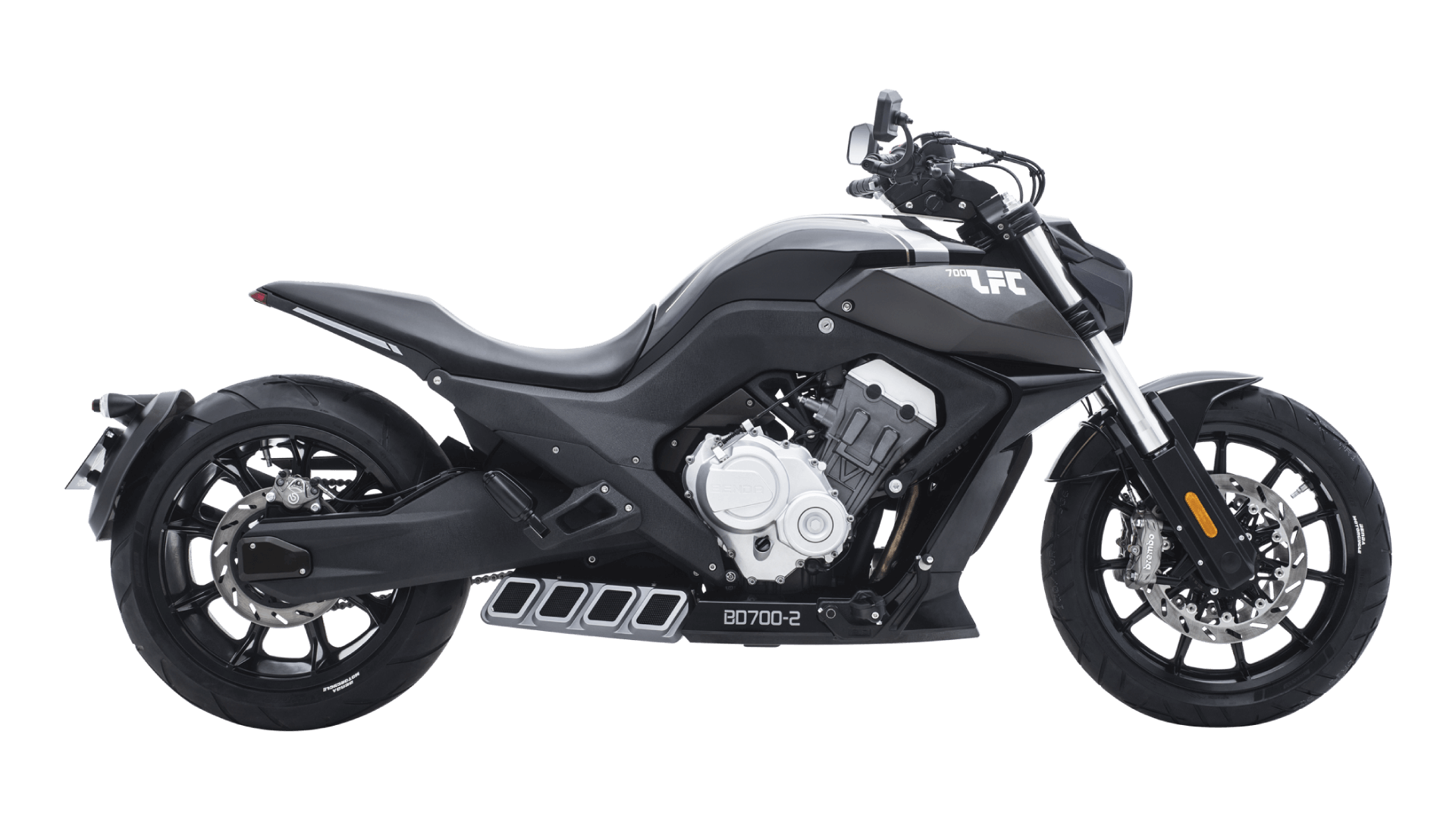
Deeper Than Chrome: Hidden Pain Points in a Vintage Cruiser
Let’s get technical for a moment. The classic look hides issues many riders don’t spot at first. A cruiser’s long wheelbase and relaxed rake and trail can steady the ride, but it may dull turn-in on tight streets. Add a tall gear ratio, and low-speed throttle becomes tricky on hills. Here’s the rub: comfort is not only about the seat. It lives in the torque curve, footpeg placement, and suspension preload. If the carburetor jetting is off (or the EFI map is poor), cold starts and midrange surge follow. Look, it’s simpler than you think: test how the bike pulls from 2,000–4,000 rpm, check whether the rear shocks bottom on speed bumps, and feel for drum brake fade if the setup is old-school. Your back and wrists will thank you later.

What’s the real snag?
Hidden pain points show up after week three. Heat near the thighs, a clutch that bites late in traffic, and a handlebar bend that traps your shoulders. Vibration at 60–70 mph reveals itself when the engine’s compression ratio and mounts don’t play nice. Stator output can be low on certain platforms, which starves accessories and weakens lighting at idle—awkward at night. And maintenance? Side-mounted airboxes look cool but complicate filter swaps. Many riders blame “fit,” but it’s really a stack of small specs—rider triangle, leverage, and the way the suspension is valved. Addressing those details beats chasing a new exhaust—funny how that works, right?
Future-Ready Retro: Tech That Makes Cruisers Smarter
Now let’s shift forward, semi-formal and pragmatic. Modern retro platforms keep the silhouette but fix old flaws with quiet engineering. Think closed-loop EFI that tunes fuel mix by the second, better heat management through fin design, and ABS calibrated for longer wheelbases. A refined torque curve smooths city crawls, while slipper clutches tame downshifts. Compared with pure style machines or stripped-down vintage bobber motorcycles, many current cruisers add smarter brake bias and improved rake and trail geometry for balanced low-speed steering. You still get the stance—just less compromise in the daily grind. And with modular wiring looms, accessory lights or USB power no longer overload marginal systems.
What’s Next
Expect incremental gains, not gimmicks. Better ECU logic will adapt to altitude and temperature with finer trims. LED arrays will cut draw and boost visibility. Small chassis edits—swingarm stiffness, shock valving, and bushings—will trim mid-corner wiggle. Even gear ratio choices will skew shorter for urban pull, then rely on overdrive to keep highway revs low. Compared to yesterday’s builds, you can spec a cruiser that looks classic but behaves like a calm commuter Monday to Friday—and still cruises on Sunday. The lesson from our earlier section stands, just evolved: true comfort lives in tuning, not trim. Choose the platform that channels engineering into feel, not only into finish.
How to Evaluate Your Next Ride
Let’s close with three metrics you can use today. First, fit and fatigue: test the rider triangle for 30 minutes—seat-to-peg drop, bar sweep, and where your weight settles after ten stoplights. Second, control and safety: verify brake modulation and ABS handoff; watch for front dive, rear squat, and any brake fade on a downhill. Third, drivability: assess the low-end torque curve, clutch take-up, and fueling at steady 3,000 rpm; poor behavior here will drain you fast. Keep notes, not just feelings—and compare bikes on the same loop. Small wins compound (they always do). If you want a classic look that rides right, let engineering guide the style, not the other way around. For more context across platforms and specs, you can start broad and narrow down with brands like BENDA.

