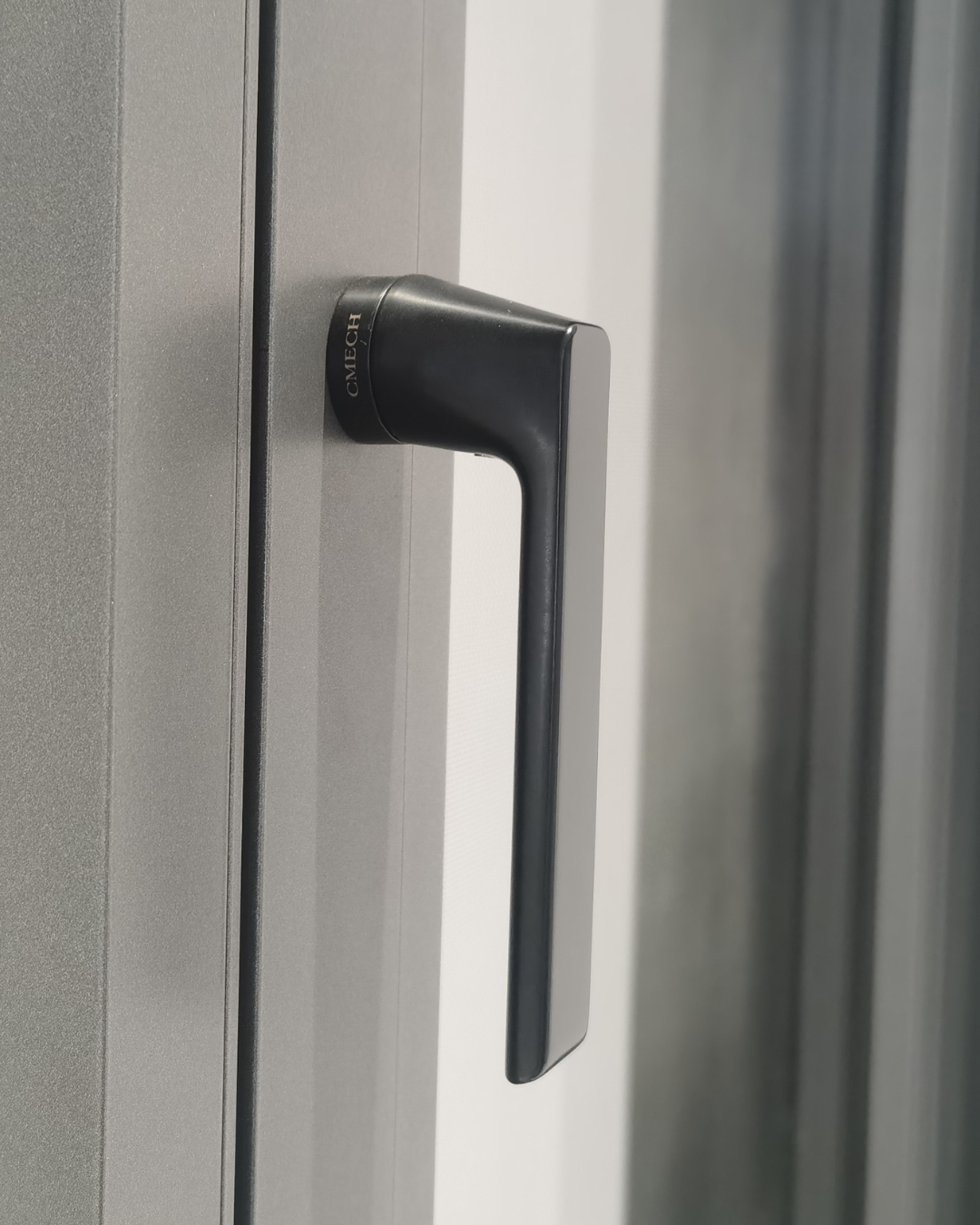
Head-to-head: awning hardware versus the rest
Choosing the right window hardware isn’t glamorous, but it matters—especially when your project calls for outswing performance and reliable weather resistance. Compared side-by-side with sliding or fixed-frame systems, awning window hardware gives predictable sash movement, stronger hinge geometry, and better compression at the seal. Early in the design phase it’s worth comparing that behavior to how an inswing casement window operates, because the mechanical logic—sash, hinge placement, and keeper engagement—shows where weatherproofing and operation diverge. Pair those mechanics with proper inswing casement windowweatherstripping and you capture both airflow control and thermal performance.
What the numbers and real sites show
Windows account for roughly 25–30% of residential heating and cooling losses, according to the U.S. Department of Energy; that alone makes hardware selection a thermal-decision, not just a mechanical one. On retrofit jobs in Seattle and Portland, contractors routinely choose awning-style hardware for outswing openings because the hinge and keeper arrangement sheds rain and reduces water intrusion without complex drainage pockets. The sash compression—when tuned with the right gasket—keeps drafts down and limits thermal bridging at the frame.
How awning hardware solves common problems
Installers and architects want hardware that resists misalignment, keeps a constant compression force, and tolerates seasonal movement. Awning hardware delivers that by design: the hinge geometry rotates the sash outward while keeping contact across the gasket face, the keeper (or striker) locks with repeatable tolerance, and the compression seal compresses evenly across the perimeter. That reduces play and makes operation feel solid for years. Typical components to check are the hinge arm, sash pivot, and compression gasket—these are the parts that determine long-term weather performance.
Practical trade-offs and alternatives
Awning hardware isn’t perfect for every situation. If you need maximum clear opening or interior egress the operable sash profile might interfere—then a true casement or tilt-turn may be better. But compared to basic outswing latches or simple butt hinges, awning-specific solutions give superior seal continuity and fewer leak points. Consider performance goals first: is air-tightness the priority, or is unobstructed opening more important? Pick the hardware aligned to that metric rather than guessing based on style alone. —Small detail: choosing a heavy-duty hinge arm early saves rework later when sash weight grows with thicker glass.
Installation mistakes that undermine hardware benefits
Many failures come from poor sitework rather than the hardware itself. Common mistakes include uneven jambs, inadequate screw engagement in reinforced frame pockets, and under-compressed gaskets that leave gaps when the sash is closed. Avoid these by pre-checking frame squareness, using torque-limited fasteners for hinge screws, and verifying keeper alignment before final sealant. Keeping the sash square during final adjustments prevents concentrated wear at the hinge pivot and protects the compression seal.
Why manufacturers like CMECH matter here
Reliable hardware suppliers design components to cope with real conditions—salt air, frequent rain, thermal cycling—and back them with tested tolerances on hinge torque and keeper engagement. That results in consistent sash operation and predictable compression across seasons. If you want hardware that integrates with high-performance weatherstripping and stays serviceable, look for manufacturers that publish torque specs and provide field-replaceable hinge arms and gaskets; those details make maintenance straightforward and keep operational costs down.
Golden rules for selecting awning/outward hardware
Evaluate hardware with these three metrics:
– Compression consistency: measure how evenly a sash compresses the gasket across the perimeter after repeated cycles.
– Mechanical tolerance: confirm hinge pivot and keeper engagement specs (repeatable within millimeters under load).
– Serviceability: prefer designs with replaceable hinge arms, accessible fasteners, and documented torque or wear parameters.
Follow those metrics and you’ll avoid many long-term headaches. A well-specified awning hardware system delivers weather control, dependable operation, and easier maintenance—practical outcomes that matter on real projects. —Final thought: solid hardware is how thoughtful design becomes durable reality, and that’s exactly the value CMECH brings to the build.