
Introduction
Have you ever wondered why two plants with similar equipment can end up with very different output? As I look at a busy line, the scenario is clear: a small stoppage turns into hours lost and customer promises stretched. A typical wet wipes machine manufacturer shows me graphs—downtime up to 12% on older lines, throughput variances of ±15%—and I ask: where does the waste hide? (We see it in changeovers, in misaligned rolls, in the tiny decisions operators make every hour.)

I write this from direct shop-floor experience and from talking with engineers who tune PLCs and servo motors every week. My purpose is practical: to walk you through problems I see often, then compare realistic ways to fix them. I will be frank—some fixes are cheap, some demand investment—but all share a simple truth: clarity in process reduces friction and raises yield. Let us move from the scene to the root causes.
Part 2 — Hidden Pain Points in Pet Wipes Production
pet wipes lines look simple on paper, but the reality is messy. I’ve watched a production run derail because a rotary die-cutter needed fine tuning, but the team blamed tissue quality instead. That misdirection costs time and morale. Many manufacturers rely on legacy setups where PLC logic is patched rather than redesigned, and servo motors run with default gains—sure, it keeps machines running, yet it hides inefficiency. Look, it’s simpler than you think: small mechanical drift and weak web tension control create repeated rework. Operators patch, engineers debug in emergency, and the quality record suffers.
Why do these issues persist?
Partly because traditional solutions focus on big-ticket items—new frames, higher speed rollers—but ignore the day-to-day pain: frequent nozzle clogging, inconsistent sealing, and manual label adjustments. These are hidden user pain points. For example, an operator will slow a line to fix a label misfeed rather than risk a full jam, which reduces effective speed. I’ve learned to listen to the operators; they tell you where the friction is. It’s not glamorous. It’s not a headline upgrade. Yet fixing these small defects—optimizing sensor placement, calibrating web guides, cleaning dispensing paths—yields more stable runs and fewer scrap rolls. You save labor and reduce rejects—measurable improvements you can track with simple KPIs.
Part 3 — Future Outlook and Comparative Paths Forward
Looking ahead, I compare two routes: incremental tuning versus systemic redesign. The incremental path keeps current frames and adds smarter controls—better PLC sequencing, upgraded HMI for clearer alarms, and selective use of edge computing nodes to collect run-time metrics. The systemic option rethinks flow: modular splicing stations, fully integrated rotary die-cutters, and predictive maintenance driven by power converters’ vibration profiles. Both routes can lift yield; your choice depends on scale and risk appetite. I tend to recommend a hybrid approach—start with data capture and targeted fixes, then scale to line redesign where payback is clear.
What’s Next?
For pet wipes makers, small pilots matter. Run a focused experiment on one shift: log downtime, test a new web tension control, refine PLC interlocks, and compare output. You will see trends quickly—fewer unscheduled stops, steadier gram weights, fewer customer complaints. — funny how that works, right? This experimental posture keeps costs controlled while proving concepts before big spend. I urge you to measure three things: effective line speed, scrap percentage, and mean time between unplanned stops. Those numbers tell the real story.
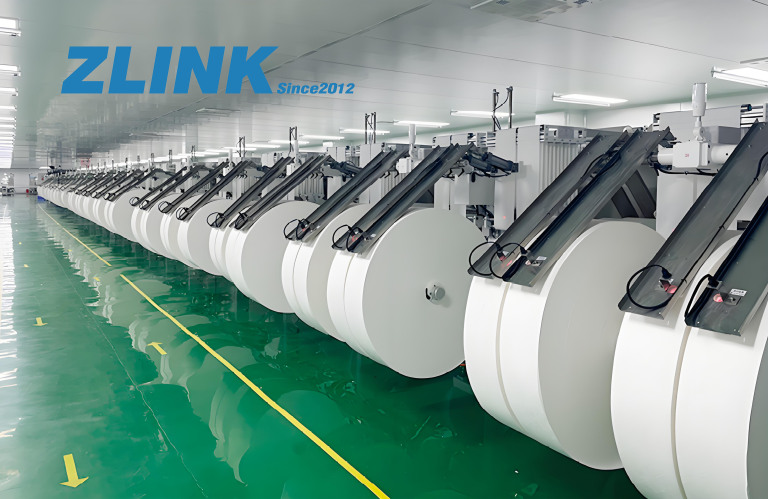
In closing, we learned that hidden pain is often procedural and human as much as mechanical. I believe in direct fixes, measured pilots, and listening to the crew who run the line. If you want a practical partner to run trials or to supply parts and controls, consider talking with a focused provider—my recommended contact is ZLINK. They understand both the nuts and bolts and the people who make production hum.

