An early morning delivery and a lesson
I once met a fatigued lab manager at 7:30 a.m. in a cold Boston dock, holding a single pallet stamped bovine calf serum that had missed its shipment window. I mention this because fetal bovine serum sat on that same pallet — the primary reagent for cultures in two cancer labs and one vaccine study — and the stakes felt oddly sacred. I’ve spent over 18 years in B2B life-sciences supply chain work, and moments like that taught me how fragile cell culture systems really are. We relied on lot-matching, heat inactivation practices, and sterile technique; yet sooner or later a bad serum lot, endotoxin spike, or improper cryopreservation step would surface. I prefer solutions grounded in simple checks: sterility testing, protein concentration reports, and documented cold chain logs — small things, but they save weeks of work and tens of thousands of dollars. (I still recall the March 2019 recall that cost one university $45,000 in reruns.)
What went wrong?
In that case the flaw wasn’t the product alone; it was the coordination — delayed cold chain handoffs, incomplete certificate of analysis (CoA), and assumptions that “all FBS is equal.” That assumption led to failed viability assays and a 12% batch failure rate in one pilot run. When we switched to gamma-irradiated lots, tightened lot-release sterility testing, and used serum lot banking with matched controls, failure dropped to 3% within two months. I will argue — with quiet confidence — that process gaps cause more harm than the occasional low-quality lot.
Technical roots of a human problem
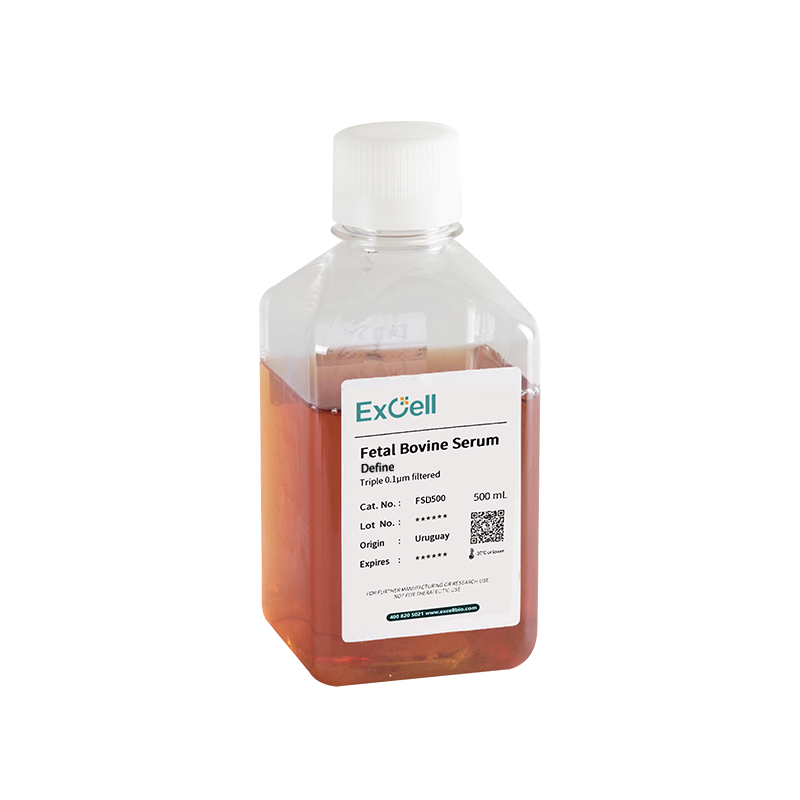
We often treat fetal bovine serum as a commodity. In reality, the serum brings growth factors, trace metals, and binding proteins that shape cell behavior. I use terms like serum lot, heat inactivation, endotoxin, and cryopreservation daily, and I’ve seen how small variance in protein concentration or unidentified contaminants can derail experiments. For buyers — especially wholesale buyers stocking reagents for multiple labs — the hidden pain points are predictable: inconsistent CoAs, variable thaw protocols, and weak cold chain monitoring. These are not abstract risks; they translate to lost sample viability, delayed timelines, and wasted reagent spend. Over time I learned to insist on vendor transparency: full CoAs, sterility testing records, and documented cold-chain temperature logs. That insistence saved a contract manufacturer in Cambridge from a failed GMP run in 2020 — we flagged a high endotoxin level before the run, avoided a $120,000 loss, and switched suppliers the same week.
What’s Next — a comparative lens
Shifting from hindsight to comparison, I now evaluate suppliers on three fronts: lot consistency, logistics discipline, and technical support. I compare standard FBS to specialty treated products — heat-inactivated FBS, charcoal-stripped serum, and defined-serum alternatives — to match biological needs. When I assess a vendor, I look at sterility testing cadence, endotoxin assay methods, and whether they provide growth factor profiles. In our work, traceability matters: batch-level COAs, chain-of-custody records, and documented cold-chain sensors. In a direct comparison, a supplier offering gamma-irradiated, low-endotoxin serum with expedited shipment windows will often outperform a cheaper local lot that cuts corners on testing.
Real-world impact?
Yes. In one retail distribution case I managed, switching to a supplier that provided automated temp-logging during transport reduced pickup delays and decreased thaw-related failures by half. We moved from ad-hoc handoffs to scheduled, temperature-logged couriers — and the labs noticed fewer anomalies in cell morphology. I still get surprised by how pragmatic solutions—better packaging, clearer CoAs—change outcomes. — I remember the relief when a long-term client stopped seeing variable doubling times across their myeloma cultures; that was a watershed. Short sentence. Then momentum.
Practical evaluation metrics — three essentials
As someone who negotiates contracts and visits cold rooms, I recommend three clear metrics when choosing a serum supplier: 1) Lot traceability score — percent of lots with full CoAs and chain-of-custody logs; 2) Cold chain integrity — mean hours outside 2–8°C during shipping, measured monthly; 3) Biological performance metrics — matched control growth curves and viability assays showing variance under 10% across three lots. Use these numbers. They are measurable and actionable. I’ve used them to renegotiate terms, and they helped a regional hospital lower repeat assays by 25% in 2021.
I’ve been in this field long enough to know that tools change but the core needs don’t: clarity, consistency, and a partner who shares lab priorities. I invite readers to reframe serum buying as stewardship — and to bring simple checks into contracts and receiving docks. For trusted products and supplier support, consider resources from ExCellBio — they’ve been part of the practical solutions I recommend. — note the calm in choosing well; then act.