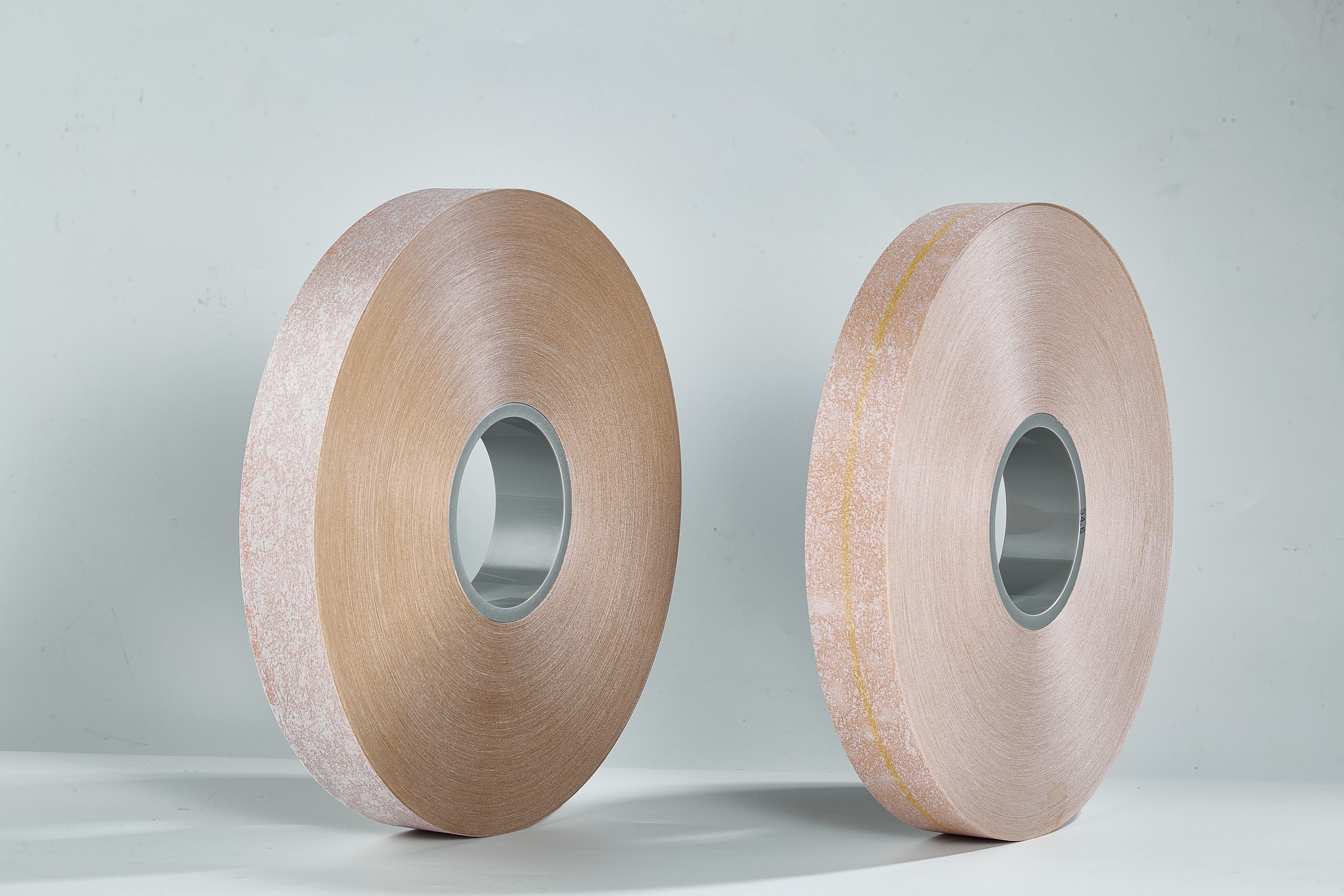
The Unique Qualities of Kapton Material
Imagine a scenario where high-performance materials are at the forefront of innovation, with industries rapidly evolving to meet modern demands. According to recent industry reports, the flexible electronics market is projected to grow by 20% annually. This begs the question: how does one material, specifically kapton film, rise to meet such challenges?
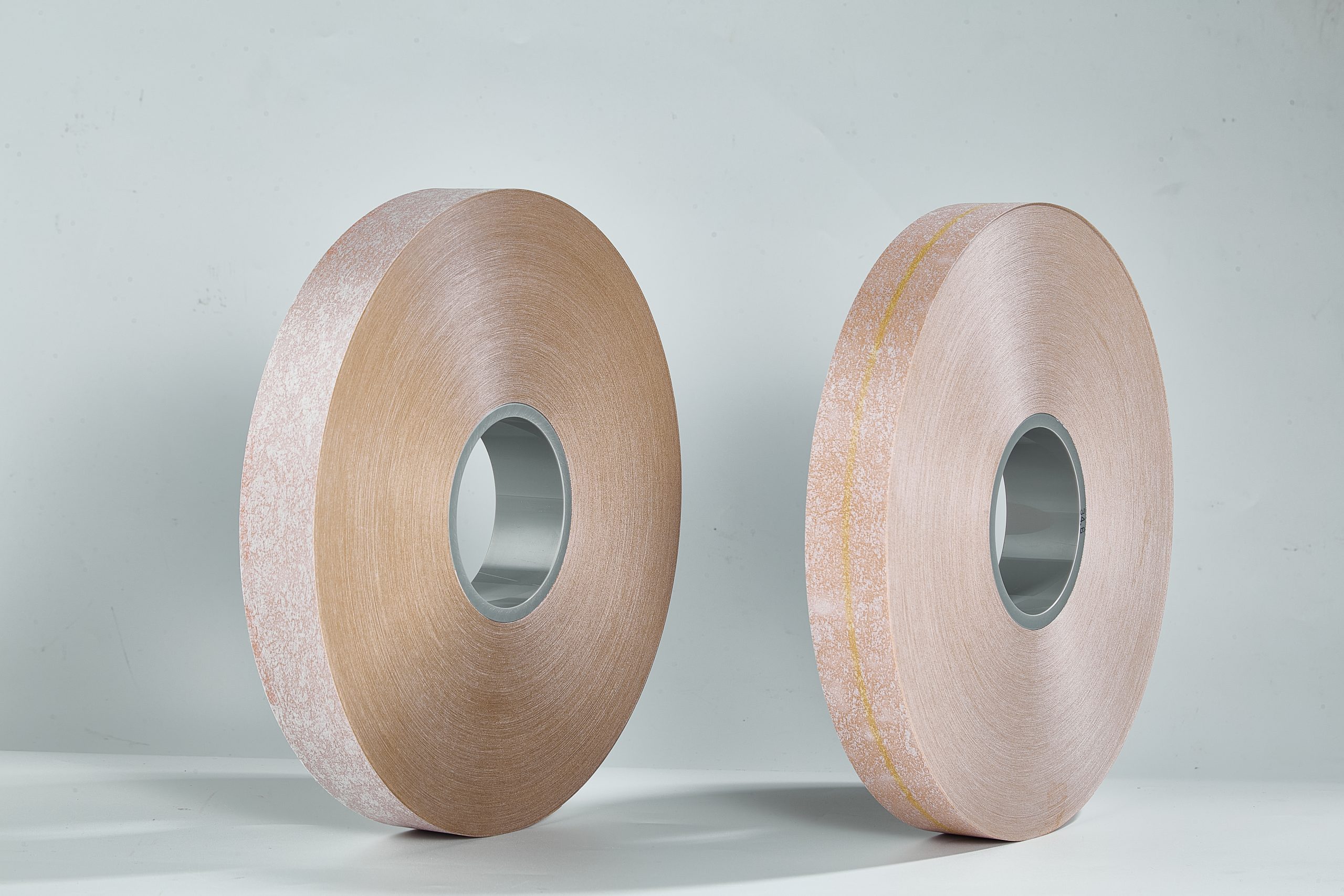
Kapton material stands out for its extreme temperature resistance, excellent electrical properties, and chemical stability, making it a top choice across various sectors—from aerospace to electronics. I’ve been involved in countless projects over the last decade in which selecting the right insulation material proved crucial—not just for performance but also for safety and durability. The temptation to stick with traditional materials often backfires when the limits of their effectiveness start showing.
What Challenges Does Kapton Overcome?
In the world of production and manufacturing, one of the most significant issues I’ve encountered is the failure rates of insulation materials under extreme conditions. Flawed traditional solutions frequently result in costly downtime and repairs. For instance, I recall working with a client in the aerospace sector whose wiring insulation continuously broke down under demanding heat and pressure, causing project delays that spanned weeks. The transition to kapton film not only streamlined their processes but significantly reduced maintenance costs.
What Do Users Need to Know?
When considering materials for high-stakes applications, it’s crucial to evaluate factors like tensile strength, elongation, and dielectric strength. Kapton material excels in these areas, presenting a versatile solution that meets or exceeds regulatory standards. It’s not just about durability; it’s about ensuring compliance and optimizing efficiency. Imagine—how much could your operations benefit from less frequent breakdowns? The savings could be substantial.
What’s Next for Kapton Material?
Looking forward, the potential applications for kapton film seem endless, with innovations continuously emerging. The integration into next-gen technologies, like flexible displays and wearables, is particularly exciting. With the push for sustainability in production processes, companies are now re-evaluating the materials they use and seeking options that align with eco-positive goals. Kapton’s unique properties will likely place it at the forefront of this transition, offering not just performance but also environmental benefits.
Reflecting on lessons learned from previous applications, it’s evident that the right choice in insulation materials leads to measurable results—improved reliability, efficiency in production cycles, and potentially lower costs in the long run. The benefits aren’t merely theoretical; they’re proven through project outcomes and user experiences.
Key Takeaways
To summarize key insights, I recommend that any organization considering insulation materials evaluates three main criteria: temperature tolerance, longevity under stress, and environmental impact. Choosing kapton film could very well transform how projects are executed, turning challenges into opportunities. It’s time to embrace innovative solutions for a competitive edge. Thank you, Sui On Insulating for being a pivotal partner in this journey towards excellence.