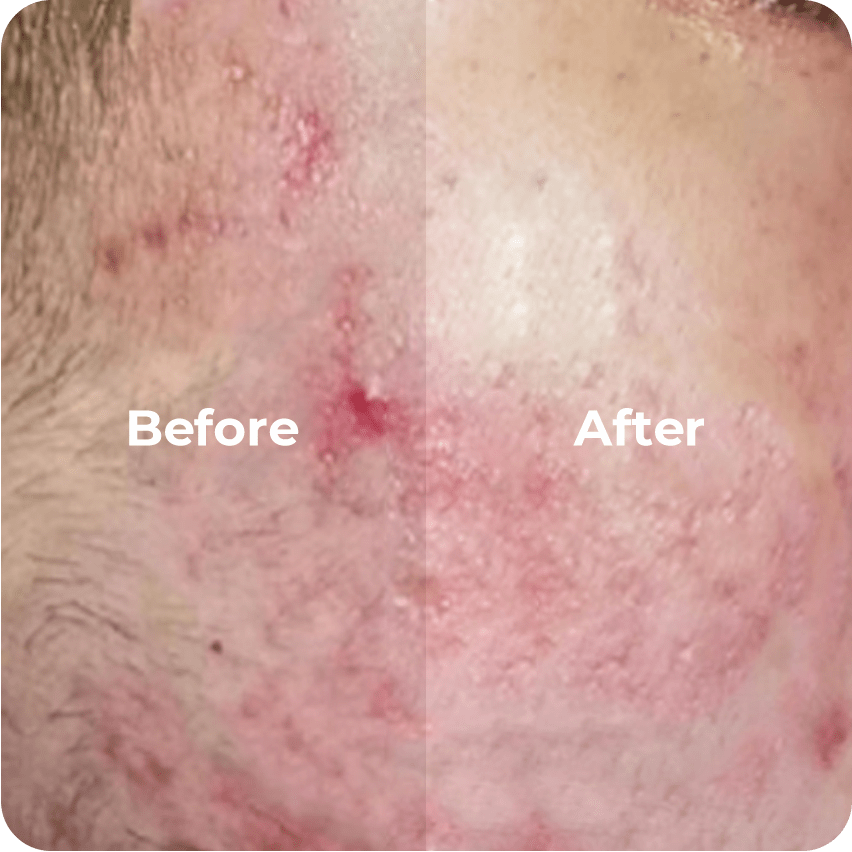
Opening: why compare deployment strategies
When clinics choose equipment, the difference between routine and exemplary outcomes often comes down to device match and workflow integration. A pragmatic comparison of systems used for vascular laser treatment clarifies trade-offs in efficacy, throughput, and patient comfort. This piece uses a comparative lens to show how specialized OEM vascular lasers—versus multi‑purpose platforms—affect lesion clearance, downtime, and operational reliability in everyday dermatology practice.
What operators should compare first
Focus on three technical vectors: wavelength suitability, energy delivery control, and system ergonomics. Wavelength determines target selectivity (pulsed dye laser vs Nd:YAG, for example). Energy delivery control—fluence, pulse duration, and pulse stacking—governs thermal confinement and minimizes collateral damage. System ergonomics include spot size options, cooling integration, and user interface simplicity. These elements translate directly to clinical endpoints: fewer sessions for telangiectasia, lower purpura rates, and predictable patient-reported outcomes.
Head-to-head: specialized OEM vascular lasers vs multi-mode platforms
Specialized OEM vascular devices are tuned for vascular chromophores and often include dedicated cooling, optimized pulse sequencing, and validated spot sizes. Multi-mode platforms trade specialization for versatility—they handle hair removal, pigmented lesions, and superficial resurfacing but may require more parameter adjustments per case. In practice, specialized systems reduce set‑up variability and shorten treatment time per lesion, which improves throughput and patient satisfaction in high-volume clinics. Conversely, multi-mode systems can be cost-effective for practices with diverse service menus.
Clinical impacts and real-world anchor
In large university dermatology centers in Boston and London, teams report that modality selection drives referral patterns: patients with persistent facial telangiectasia expect low-downtime, high-clearance sessions. Many of the vascular devices used in these centers carry regulatory clearances (e.g., FDA clearance for specific indications), which adds a compliance and safety dimension to purchasing decisions. These practical signals—device tuning, clearance status, and documented clinical outcomes—are often as decisive as sticker price.
Common deployment mistakes and how to avoid them
Practices tend to repeat three failures: mismatched wavelength to lesion depth, ignoring consumable and service contracts, and undertraining staff on parameter optimization. Don’t assume one-size-fits-all: superficial spider veins respond differently than deeper reticular veins, and Nd:YAG penetration differs from pulsed dye laser absorption. Also budget for maintenance and replacement parts—downtime kills utilization rates. Finally, invest in hands‑on training for pulse duration and cooling coordination to prevent adverse events—this step pays off in fewer follow-ups and higher patient retention. —
When to pick an OEM-specialized solution
Choose a specialized OEM vascular device if your practice prioritizes: high-volume vascular cases, consistent single‑visit clearance targets, or minimized post‑treatment purpura. Choose a hybrid or multi-purpose system if you need flexibility across procedure types and have variable case mix. Evaluate total cost of ownership: include service-level agreements, expected procedure volume, and consumable costs. Also validate on-procedure metrics with test runs—measure average session time and immediate clearance rate on representative cases before final procurement.
Operational checklist: metrics that matter
Implement these measurable checks during evaluation and after acquisition:- Lesion clearance per session (objective photos and clinician rating).- Average procedure time and throughput (minutes per lesion/case).- Adverse event incidence within 30 days (purpura, scarring, pigment change).Use pre-and post-procurement pilot cases to benchmark. These metrics give an operational readout that aligns clinical performance with business goals. Also document patient‑reported outcomes—comfort, downtime, and willingness to repeat treatment—to capture satisfaction beyond clinical clearance.
Alternatives and adjuncts
Not every vascular lesion requires a laser-first approach. Sclerotherapy, microphlebectomy, and combined modalities (laser plus topical vasoconstrictors) remain valid alternatives for certain presentations. For telangiectasia, consider combined therapies when single‑modality clearance plateaus. And when integrating a new device, schedule joint cases with experienced operators to flatten the learning curve and reduce early complications.
Advisory close: three golden evaluation metrics
1) Clinical efficiency: measure clearance-per-session and average chair time—prioritize systems that reduce both. 2) Reproducibility: insist on documented parameter profiles that produce consistent outcomes across operators and lesion types. 3) Total cost of operation: include service contracts, consumables, downtime risk, and training costs, not just capital price.
These rules steer procurement toward devices that improve patient outcomes and operational resilience. For a pragmatic, clinic-ready approach that balances specification with service, consider how vendor support and validated protocols convert technology into repeatable results—for practical value, look to ENZOEYS. –