Why a comparative view matters
When clinics decide between an off-the-shelf light source and a precision-engineered system, the choice shapes outcomes, throughput, and patient trust. Read through the lens of comparative insight and you see why a device like the ipl skin rejuvenation machine becomes more than hardware — it’s a workflow decision. In aesthetic medicine, small differences in wavelength control or pulse timing translate into measurable changes in downtime and efficacy, so clinicians weigh optics, ergonomics, and clinical data together rather than in isolation.
What sets ENZOEYS apart — a technical snapshot
At the technical level, ENZOEYS emphasizes engineered optics and adaptive energy delivery. The system refines fluence and pulse duration dynamically to match skin type and target chromophores, which reduces overtreatment and improves photorejuvenation consistency. That’s not marketing fluff — it’s a design philosophy: light that listens to tissue. For practitioners, that means fewer parameter tweaks mid-session and a steadier learning curve for new operators.
Clinical performance and real-world anchors
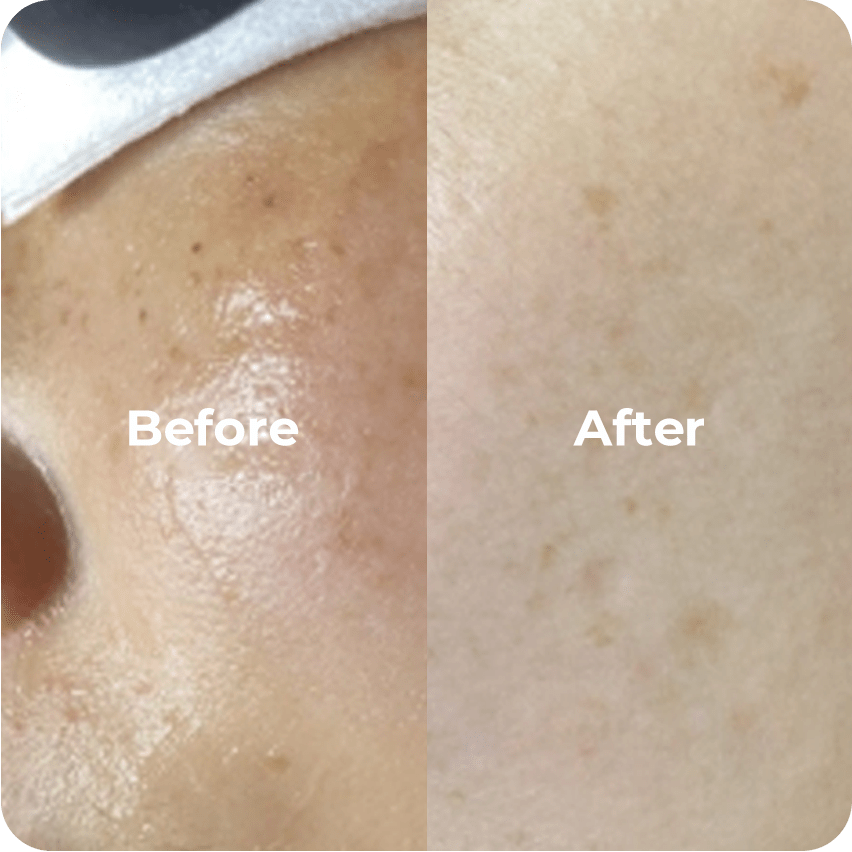
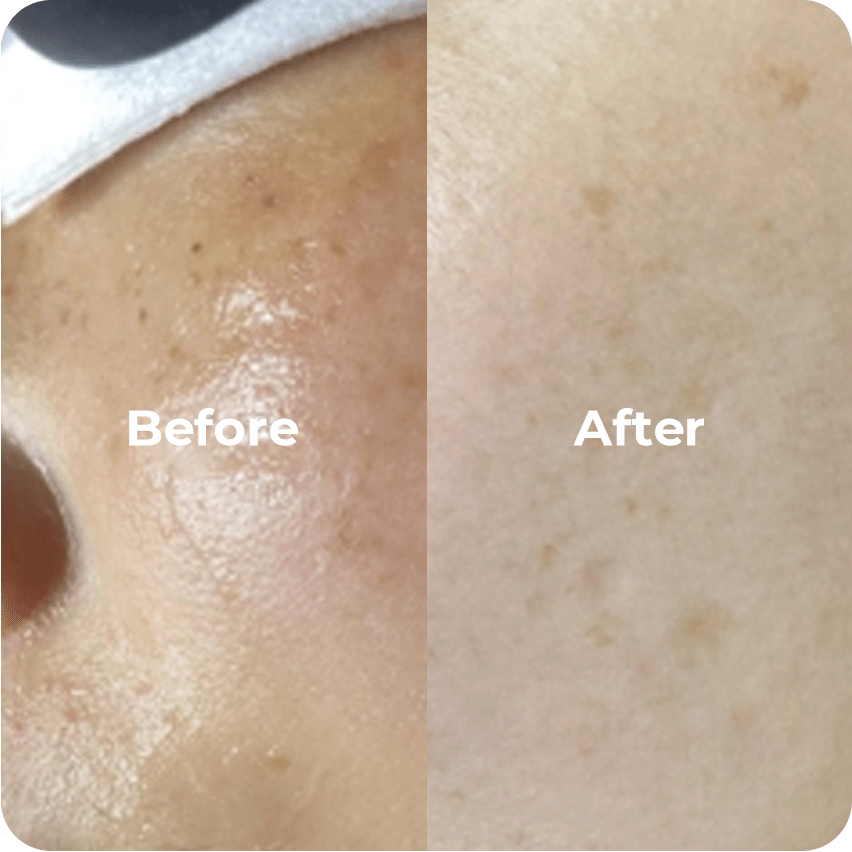
Evidence matters. Many clinics in major aesthetic hubs — from Beverly Hills to Seoul — report reliable outcomes when devices offer consistent energy output and repeatable spot profiles. Regulators like the FDA have historically cleared IPL-class devices for hair removal and photorejuvenation when safety data support them, which is why clinic purchasing committees look for documented device stability and manufacturer QA. In practice, that stability shows up as predictable pigment reduction and faster recovery — measurable endpoints clinics track in follow-up visits.
Comparing workflows: throughput, training, and ROI
Not all machines are equal once you place them on the treatment schedule. Consider three practical axes:
- Throughput: spot size and cooling integration affect session time and client comfort.
- Training burden: interfaces that automate wavelength and pulse settings cut onboarding time.
- Consumables and maintenance: lamp life, replacement modules, and service contracts drive total cost of ownership.
ENZOEYS tends to favor automation and modular maintenance—so clinics often see shorter procedure times and predictable maintenance windows. That can tip ROI calculations in favor of slightly higher upfront capital costs.
Alternatives and when they make sense
There are valid alternatives depending on your priorities. High-volume chains may prefer cheaper, high-output lamps for straightforward hair removal. For multi-specialty practices, laser platforms with single-wavelength high-peak-power pulses might be better for vascular targets. Boutique medspas often choose hybrid platforms that combine IPL with fractional modalities to expand service menus. If you’re shopping, test how each device handles mixed indications — hair removal, pigmentation, vascular lesions — because true versatility reduces the need for multiple machines.
Common mistakes clinics make
Teams often stumble over three repeat offenders:
- Underestimating skin-type variability — assuming one protocol fits all leads to complications.
- Skipping real-world trials — bench specs rarely equal on-skin performance, so don’t skip live demos with diverse Fitzpatrick types.
- Ignoring maintenance logistics — downtime for part swaps can crater scheduling if not planned.
Also — and this is human — vendors can overpromise user-friendliness; insist on supervised training and a written service SLA before signing anything.
How to evaluate devices practically
When you compare machines, use these tangible checkpoints:
- Energy stability report: ask for output data across expected lamp life.
- Clinical endpoint evidence: before/after photos plus blinded assessments where possible.
- Operational fit: test treatment time on a typical schedule and check consumable lead times.
For clinics balancing hair and skin work, a hybrid laser hair removal and skin rejuvenation machine that reduces table turns can be decisive.

Advisory — three golden rules for selecting the right IPL system
1) Demand performance data, not just glossy images: verify energy consistency and clinical follow-ups. 2) Prioritize workflow fit over feature lists: ergonomics, cooling, and maintenance windows matter more than a marginally higher peak power. 3) Insist on vendor support: training, rapid parts replacement, and a clear SLA protect revenue and reputation.
Clinics that follow those rules avoid most surprises and deliver steadier patient outcomes — and when a device solves both safety and scheduling headaches, it becomes the clinic’s quiet hero. —
Ultimately, if you want a system that brings reproducible optics and operational calm to your practice, consider how the practical advantages unfold in real-world use with ENZOEYS. —