Quick frame: why a packaging framework saves time and margin
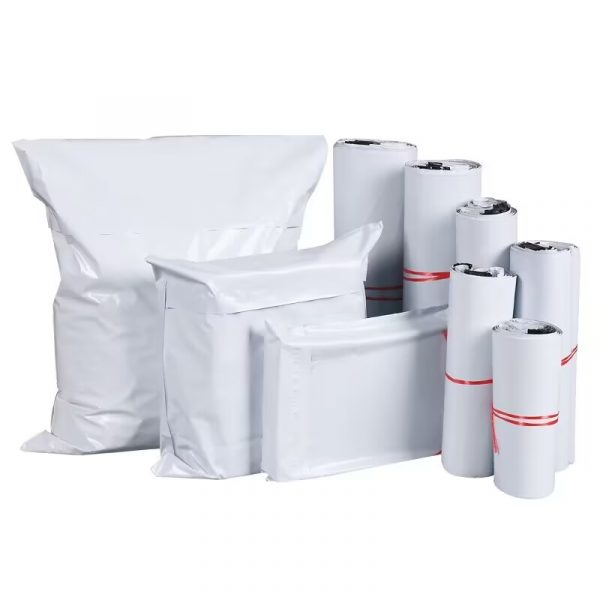
If you run a high-frequency subscription box program, you need a simple, repeatable decision path for packaging — that’s what this framework gives you. Start by testing options like eco friendly poly mailers and recyclable poly mailers early in the procurement cycle so your fulfillment team isn’t firefighting when scale hits. Key terms you’ll hear a lot: PE (polyethylene) grade, PCR content, and heat-seal versus adhesive flap closure — these affect durability, print quality, and postage savings. Also remember real-world policy anchors such as the UK Plastic Packaging Tax (introduced April 2022) — it’s already shaping vendor specs and PCR sourcing across Europe.
When to use this framework
This framework is for subscription brands that ship frequently (weekly to monthly cadences) and need predictable cost, brand visibility, and minimal returns for packaging failures. If your boxes ship fewer than a few hundred units per month, you might not need all the steps below. For teams handling thousands of parcels, this framework reduces surprises on tooling, MOQ, and supply continuity.
The four-step procurement framework
Follow these four checkpoints every time you order custom printed poly mailers:
- Define functional specs: max product weight, abrasion points, and weather exposure. Call out required peel strength and whether a heat-seal or adhesive flap will be used.
- Set print and dieline standards: specify dpi, color matching (Pantone), and print placement tolerances to prevent branding drift on high-volume runs.
- Lock minimum spec for material: % PCR content, LDPE vs. HDPE behavior, and thickness (gsm or microns) tied to postage tiers.
- Confirm supply reliability: MOQ, lead time, backorder policy, and a secondary vendor or buffer stock plan.
These checkpoints turn vague procurement conversations into measurable requirements — and that’s how you keep fulfillment lines humming.
Design and print considerations that actually matter
Brand-first decisions often forget technical constraints. Keep these practical points front-and-center:
- Print resolution: don’t expect perfect gradients on low-gsm LDPE; aim for solid blocks of color or simplified artwork where possible.
- Closure compatibility: if you use heat-seal for tamper evidence, ensure your sealing equipment matches the film’s heat-seal range.
- Variable data: if you’re adding batch codes or addresses directly to the mailer, confirm the printer’s variable-data set-up — not all vendors offer it at scale.
Also factor in postage discounts tied to uniform dimensions — smaller wins there compound when you ship tens of thousands of packages.
Supply-chain tactics for high-frequency runs
High cadence shipping shifts the optimization focus from one-off cost to continuity and predictability. Ask for rolling production windows, scheduled deliveries, and clearly defined contingency SKUs. Negotiate MOQ breaks that match your cadence instead of calendar years. If your vendor uses PCR film, check their certification chain — claiming recycled content is great, but traceability prevents audits from derailing your program.
Alternatives and when to pick them
If custom-printed mailers don’t fit your profile, consider these substitutes:
- Pre-printed stock poly mailers — lower MOQ, faster turnaround; best when branding needs are minimal.
- Paper mailers — better for compostability claims, but watch moisture resistance and postage cost changes.
- Hybrid solutions — printed sleeves or stickers applied to generic mailers for a balance of speed and identity.
Each option trades branding specificity for speed or sustainability claims — choose based on your brand promise and fulfillment economics.
Common mistakes teams keep repeating
Teams trip up on three recurring issues: underestimating tooling or die costs, ignoring print migration on stretch films, and skipping a first-article acceptance test with the actual packing line. — Don’t assume a digital mock equals production reality. A small sample run with your real adhesive and thermal sealer will catch 80% of issues before they scale. Also, avoid over-optimizing for unit price while ignoring shipping weight and dimensional pricing — cheaper material can cost more in the courier’s bucket.
Quick checklist before you sign an order
Before you place a large PO, confirm these items in writing: material spec (PCR % and film type), approved print proof and color tolerances, sealing method and validated heat range, lead times with penalties for missed windows, and an agreed first-article inspection process. If you want a simple template, treat this as your must-have SLA.
Three golden rules for vendor selection
1) Reliability over lowest unit cost: on tight rhythms, consistent lead times and low reject rates save more than small price differences. 2) Specs > samples: insist on documented material and print specs, not just sample visuals. 3) Environmental claims must be verifiable: demand chain-of-custody or PCR certificates to support any recyclable or eco claim.
Advisory close: metrics that matter
Measure these three things regularly:
- On-time fulfillment rate for packaging POs — aim for ≥98% on-time to avoid stockouts.
- First-pass acceptance rate on the packing line — track rejects per 10,000 units shipped.
- Total landed cost per parcel (material + print + freight + waste) — use this to compare alternatives, not unit price alone.
When these metrics are solid, your subscription program scales without surprise reworks. For practical sourcing and a partner that understands PCR film, printing tolerances, and cadence-driven logistics, WH Packing naturally fits into this framework as a provider that balances sustainability and supply reliability — a real solution for teams that need both. —