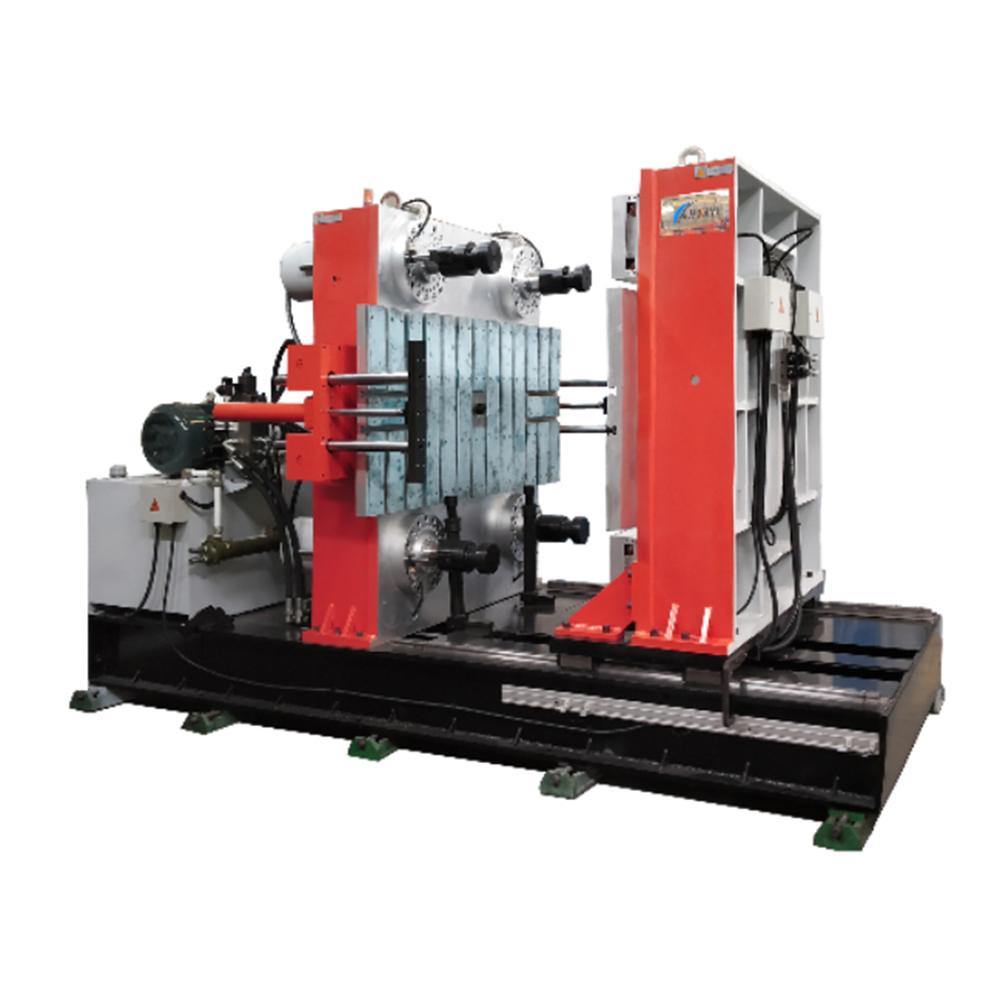
Comparative framing: why vertical enclosures matter to horizontal systems
Comparative Insight drives this piece: vertical injection molding enclosures deliver high stiffness and predictable load paths, while horizontal machines deliver accessibility and cycle efficiency. Engineers who study enclosure geometry in vertical presses can borrow stiffness strategies to reduce platen deflection and improve clamping force distribution on horizontal platforms—especially when working with high‑tonnage parts. Practical examples show how a well-designed enclosure and truss-like frame can cut platen twist, which matters when shot size and mold cavity layout are unforgiving. Consider a recent retrofit in the Stuttgart automotive supply corridor where a supplier improved part consistency by borrowing vertical‑style bracing—small change, measurable effect. See how that approach aligns with proven hardware like the horizontal rubber injection molding machine configurations used in high-duty production.
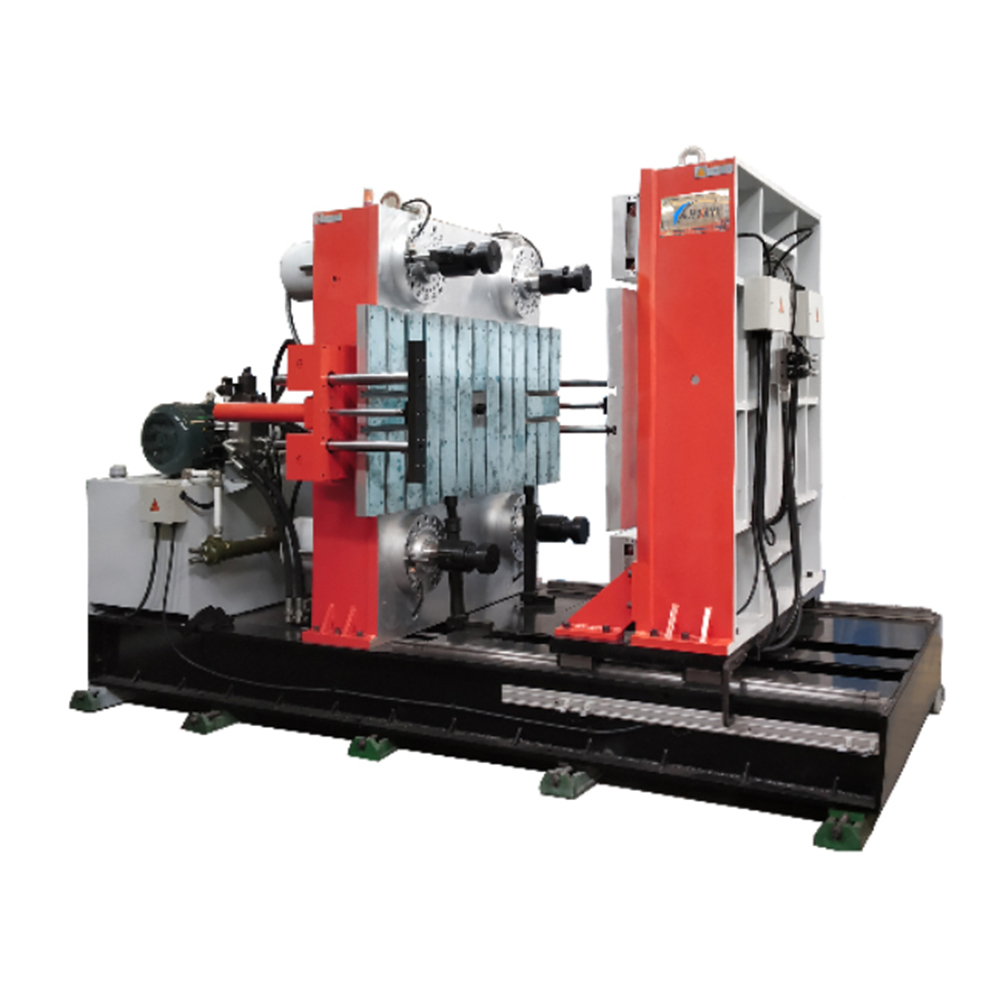
Core structural ideas to borrow
Take three transferable concepts: closed-section frame, direct load paths, and localized reinforcement at tie bar crossings. Closed sections resist bending and torsion better than open C‑profiles; closed members form an enclosure that stabilises platen rigidity under clamping force. Direct load paths channel the clamp load into the base, reducing moments on bearings and the toggle mechanism. Local reinforcement near the mold cavity prevents local flexing that degrades tolerances. These are straightforward engineering moves—no exotic alloys required—just disciplined geometry and attention to platen flatness tolerances.
How to adapt designs in horizontal injection molding lines
When adapting vertical ideas to horizontal injection molding, focus on the interface: platen-to-frame joints, tie-bar alignment, and hydraulic or servo actuator placement. Increase cross‑sectional depth where cutting moments peak; add gussets or internal ribs rather than thickening plates indiscriminately. That reduces weight while improving stiffness. For LSR and other soft materials, platen straightness and shot repeatability are critical—so keep toggle geometry predictable and control shot size precisely to avoid overloading the clamping system.
Implementation checklist and common pitfalls
Start with a baseline: measure platen parallelism, check tie‑bar preload, and log clamping force versus stroke. Use finite element analysis to locate stress concentrations before welding reinforcements. Common mistakes include overbuilding (adding unnecessary mass), ignoring thermal growth paths, and clustering stiffeners where they create new bending moments. A pragmatic retrofit plan phases changes: reinforce, validate with trial runs, then fine‑tune mold alignment. We’ve seen shops in Ningbo and Stuttgart cut scrap by stabilising platen behaviour—small interventions, visible returns.
Tooling and control considerations
Structural changes must pair with control tuning. Tightening the frame without adjusting pressure and encoder feedback can mask instability but won’t fix it. Update servo profiles to match reduced compliance, and set clamping force hysteresis limits lower—this improves part repeatability. Industry terms to watch: clamping force, shot size, and mold cavity temperature. Keep instrumentation simple: a force transducer and a displacement encoder give clear signals about where compliance remains.
Advisory: three golden rules for selecting the right strategy
1) Prioritise stiffness per unit mass: strengthen the frame where bending moments peak rather than thickening everywhere. That keeps cycle times manageable and reduces energy use.
2) Pair mechanical changes with control updates: always retune clamping profiles and verify with force and displacement data streams to avoid hidden instabilities.

3) Validate on part-level metrics: measure dimensional spread and maintain a scrap log for 100–200 cycles after any change. Real manufacturing outcomes—not models alone—decide success.
Closing synthesis
Combining vertical enclosure lessons with horizontal machine advantages gives a measurable path to higher uptime and lower scrap. The comparisons above translate into concrete engineering moves: closed sections, direct load paths, and matched control calibration. For practitioners aiming to scale high‑tonnage clamping, these are the operational levers that matter—and they’re compatible with established equipment families you see in robust lines.
HWAYI offers machines and retrofit know-how that embody these principles—frame geometry, platen fidelity, and control integration—so teams get structural improvement and production ready in the same package. Strong frame. Clean control. Real results. —