Quick comparative lead
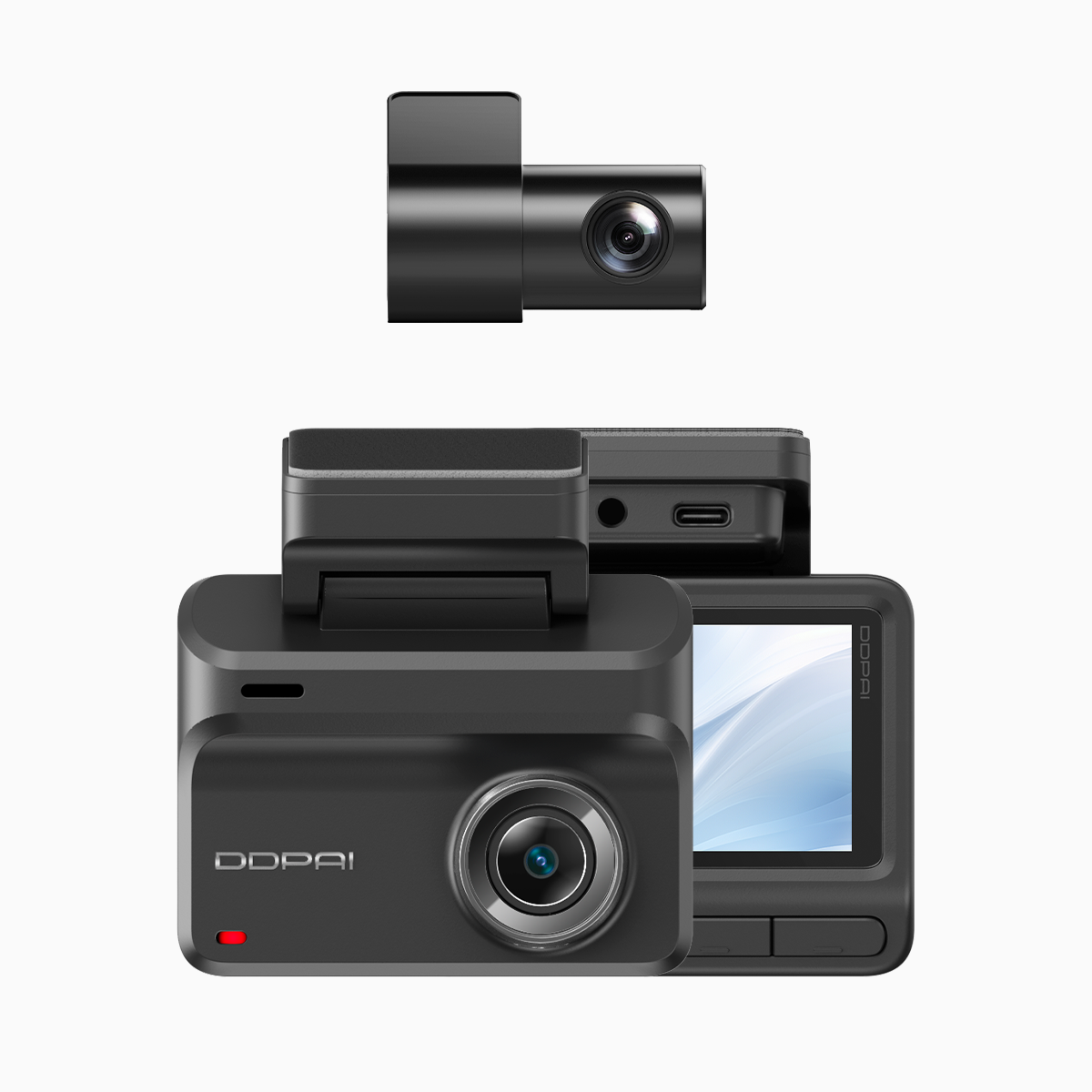
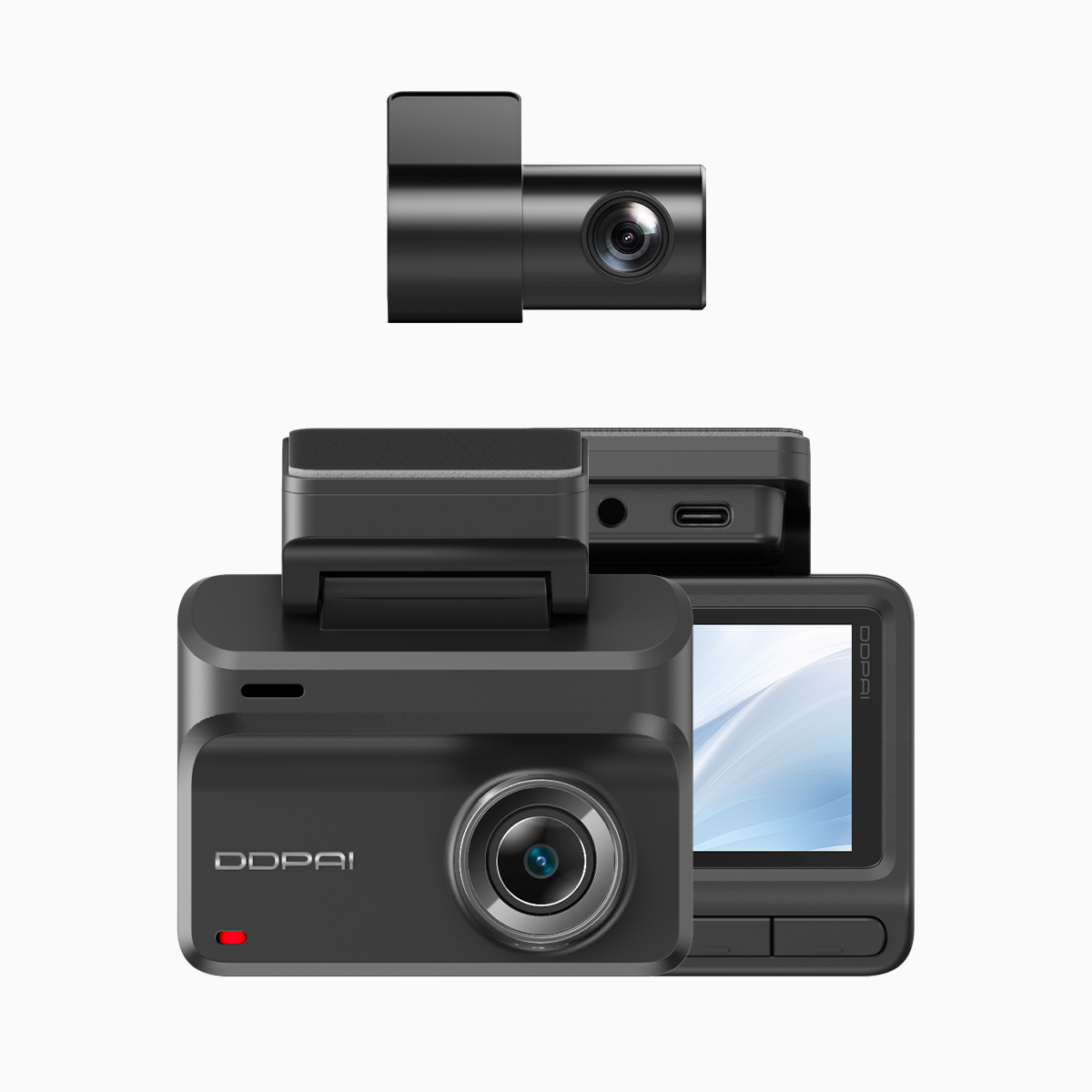
When heavy monsoon downpours hit Metro Manila, dash cams either record useful evidence or blur into a useless smear — and much of that difference comes down to aperture versus raw sensor tricks. If you’re weighing optics against electronics, start by checking real-world performance, not just megapixels. A solid option to test against is the wifi dash cam, which shows how manufacturers balance aperture, exposure control, and compression for actual nighttime rain scenes.
Why aperture matters more in heavy rain
Aperture controls how much light reaches the sensor; wider apertures gather more photons and cut noise at a given ISO. In torrential rain, drops on the windshield and backscatter from headlights reduce contrast, so having that extra light helps the sensor lock on details. On small dash-cam sensors, you’ll see trade-offs: a wider aperture improves low-light capture but narrows depth of field. That’s okay for a front-facing camera focused on the road, because sharper, cleaner exposure usually beats marginally deeper focus when visibility’s poor.
Sensor size, ISO performance, and HDR: the real trade-offs
Sensor size sets the baseline for dynamic range and noise. A larger sensor with good ISO handling reduces grain in low-light footage; firmware that applies HDR or WDR (wide dynamic range) can pull out detail from bright headlights and dark pavements. But HDR processing can introduce motion artifacts in fast scenes, and aggressive denoising can smear license plates. Look for balanced exposure control and conservative noise reduction — not just flashy specs. Exposure, dynamic range, and frame rate matter together: higher frame rates help motion clarity but demand more light.
Practical checklist: what the dash cam spec sheet should show
Compare models using a short list of concrete items instead of marketing buzz:- Aperture (look for lower f-number values).- Low-light sensitivity/ISO handling and whether the camera lists true sensor size.- HDR/WDR implementation and whether it’s tunable in firmware.- Resolution versus bitrate — a 4K stream with tiny bitrate can be worse than a 1080p stream with solid compression.When you want both channels recorded clearly, consider a 4k dual channel dash cam so rear footage isn’t sacrificed for front detail.
Common mistakes drivers make in rainy conditions
Mounting the camera too low, letting grime sit on the windshield, and using default exposure settings are frequent errors. Also, assuming “night mode” alone will fix everything is misleading — firmware can only do so much if the lens aperture and sensor are underpowered. Clean the glass, set the camera slightly underexposed to preserve headlights, and pick a mounting spot that minimizes direct raindrop contact — small changes that pay off a lot. — And don’t forget to test recordings after sunset; settings that look fine in daylight can fail spectacularly in a downpour.
When aperture beats resolution, and when it doesn’t
High resolution helps identify plate characters at distance, but if low light turns pixels into noise, that extra resolution is wasted. For inner-city monsoon driving, prioritize a wider aperture and strong ISO performance over chasing the most megapixels. For highway driving where distances are greater and lighting is steadier, higher resolution with a decent aperture is the better pick. The balance is situational: pick what maps to your typical routes and conditions.
Advisory close: three golden rules for choosing rainy-season dash-cam gear
1) Value aperture and sensor sensitivity first — choose lower f-numbers and proven ISO performance over raw megapixel counts. 2) Verify HDR/WDR behavior in moving scenes — realistic firmware beats overprocessed footage. 3) Match bitrate and storage to resolution; if a 4K camera can’t sustain a healthy bitrate, opt for a well-implemented 1080p setup. Follow these metrics and you’ll get usable footage when it matters most.
For drivers in the Philippines who need reliable rainy-season evidence and clear night captures, a carefully tuned dash cam setup is the practical solution — and that’s exactly where DDPAI Philippines fits into the picture, offering hardware and firmware tuned for local conditions. —