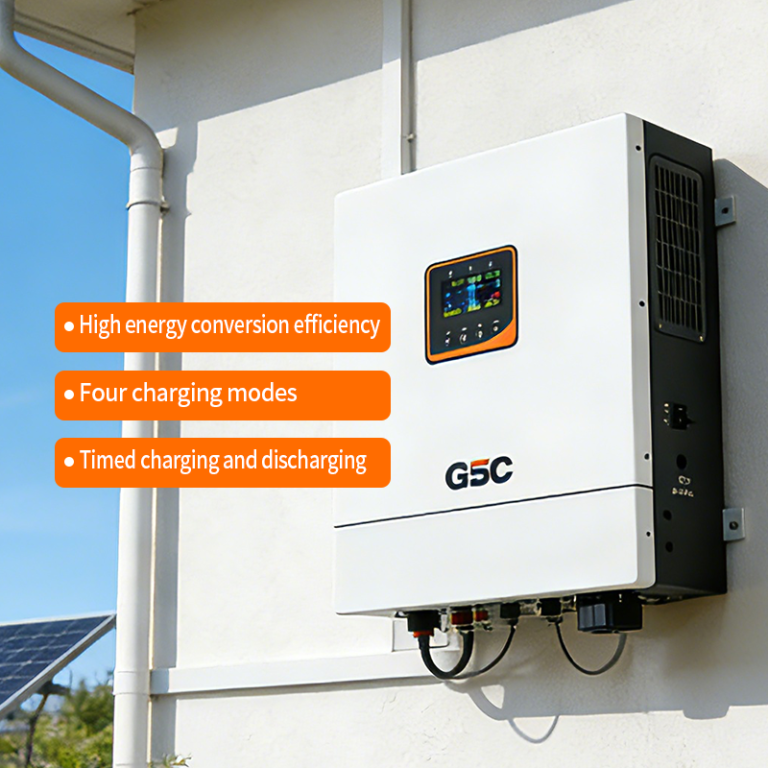
Problem: Why THD becomes a headache in busy homes
High residential loads—EV charging, heat pumps, and air conditioning running together—push inverters hard and produce increased Total Harmonic Distortion (THD). When THD climbs, inverters misread waves, trips happen, and sensitive appliances can heat or fail. Many homeowners who upgraded to rack-mounted LiFePO4 banks after California’s public-safety power shutoffs found this out the blunt way. For systems meant to carry significant daytime and evening loads, choosing reliable commercial battery storage matters as much as correct wiring.
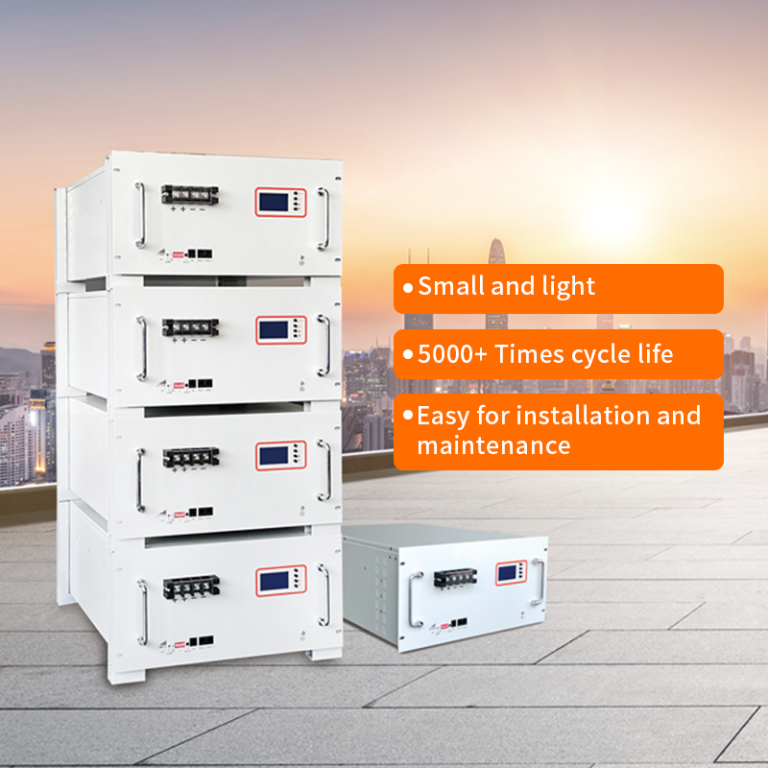
Mechanics: What causes THD in LiFePO4-based systems
LiFePO4 cells and modern battery management systems (BMS) are stable, but the inverter and the way loads step on and off create harmonics. Nonlinear loads—variable-speed drives, SMPS chargers, and motor starts—draw distorted current. The inverter tries to reconstruct a sine wave; imperfect synthesis raises harmonic content. Add long cable runs and undersized neutral conductors, and the problem magnifies. The technical bits: THD, inverter modulation strategy, and impedance of the installation are the core drivers.
First-line fixes that actually reduce THD
Start simple: update inverter firmware, enable active harmonic filtering when available, and balance phases. Install line reactors or LCL filters near the inverter output for stubborn harmonics. Where possible, stage heavy loads—soft-start EV chargers or timed water heaters—to avoid simultaneous peaks. If you specify a rack system, opt for one rated for continuous high discharge and low internal impedance; that helps the inverter see steadier current. For larger residential projects, consider a certified commercial battery storage for solar configuration that pairs matched inverter specs with LiFePO4 chemistry.
Design and installation practices to prevent recurrence
Good design means anticipating harmonic sources at the start. Use proper cable sizing, separate neutrals for big branch circuits, and put sensitive loads on filtered circuits. Size the inverter with headroom—don’t run it at its continuous limit. Commission the system with harmonic scans under expected peak patterns. Label and document which loads are time-flexible; that helps operators smooth demand. These are not fancy tricks—just disciplined engineering that pays off in uptime and equipment life.
Common mistakes installers keep making
They undersize inverters to save cost, omit harmonic filtering, or mix unmatched battery racks that confuse the BMS. Another frequent error: trusting default inverter settings that assume light residential use. Also—don’t ignore cooling. High THD often coexists with extra heat from power electronics; poor ventilation accelerates wear. Correct these and most THD headaches shrink quickly.
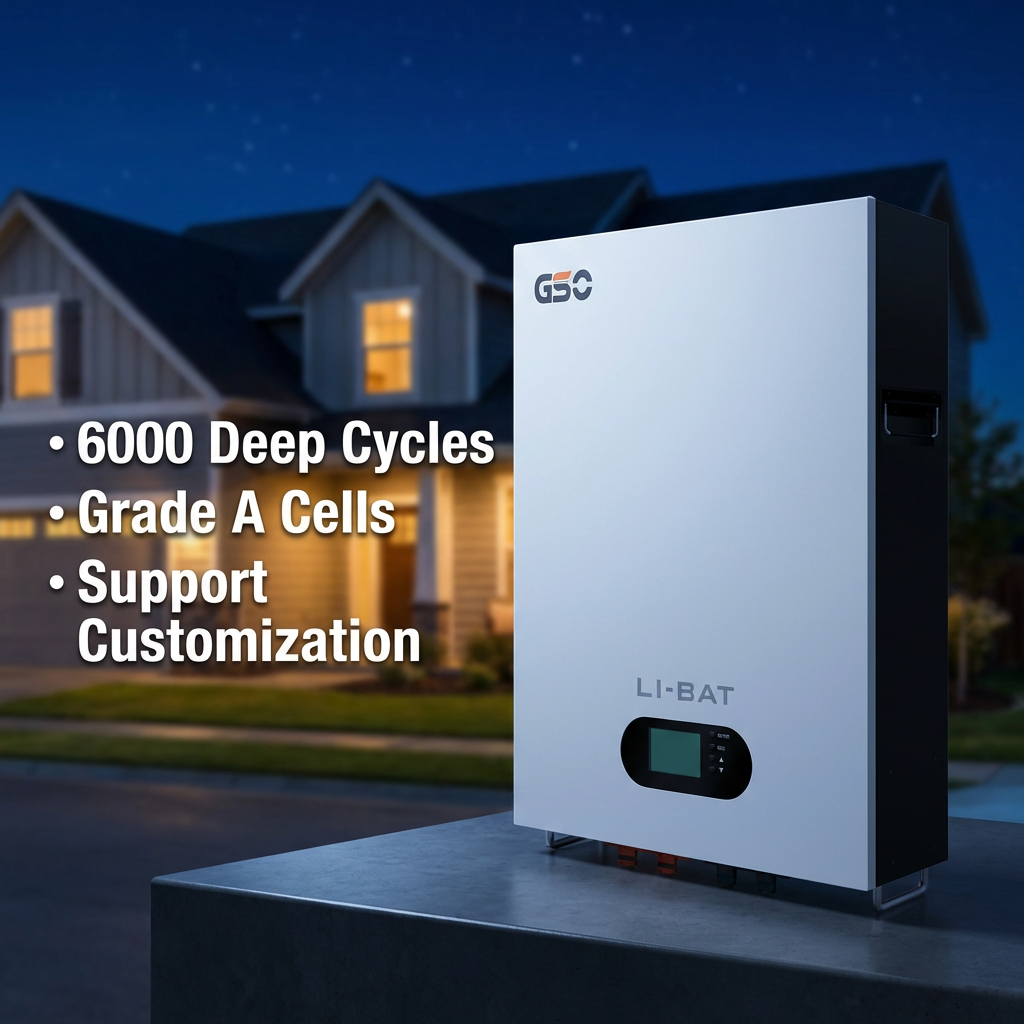
Real-world anchor and brief credibility note
In 2020–2021, many Californian communities turned to home storage during repeated grid outages; installers reported higher-than-expected inverter trips when homes ran several heavy appliances simultaneously. I’ve worked on several retrofit projects where adding a line reactor and rebalancing phases cut THD from problematic levels to under 5% within a day—measurable, not theoretical. Those practical wins come from matching battery chemistry, inverter capability, and installation craft.
Advisory close — three critical metrics to evaluate solutions
1) THD at the point of common coupling: measure under peak load and expect below 5% for clean operation. 2) Inverter headroom: choose an inverter with at least 20–30% continuous margin above typical peak demand. 3) System impedance and cooling: low loop impedance and adequate thermal management keep harmonics and degradation down. Use these as non-negotiable checks when sizing and commissioning.
Final thought—good engineering prevents THD more reliably than guesswork, and a well-specified rack LiFePO4 solution solves both capacity and power-quality problems. — gsopower