Framing the comparison
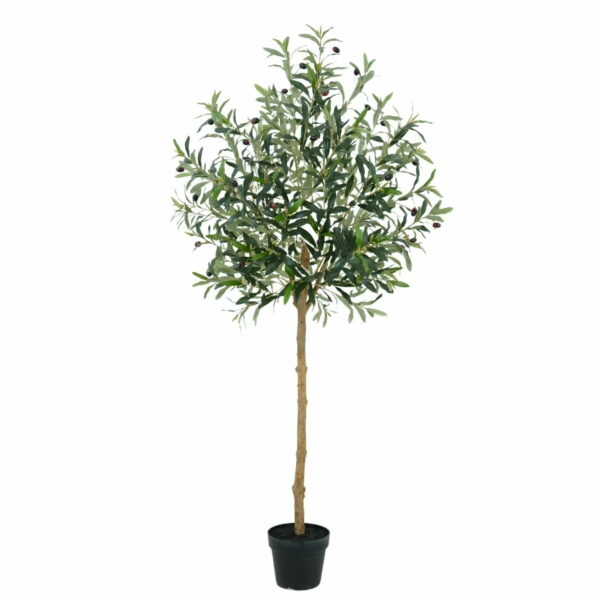
Comparative insight starts with measured criteria: substrate, attachment system, and longevity. Suppliers in China often standardize around a grid mesh backbone and UV-stabilized components, so when you read supplier specs you compare like-for-like. This practical comparison uses real procurement concerns and the WELL Building Standard’s embrace of durable biophilic elements as a real-world anchor. For example, an artificial olive tree manufacturer that specifies polyethylene foliage and a reinforced grid mesh is already signaling a different lifespan than one that does not.

Grid mesh systems: what differentiates performance
Grid mesh variations are not cosmetic. A welded stainless-steel grid supports heavier modules and higher wind loads; polypropylene mesh is lighter and cheaper. The difference shows up as installation time, required fasteners, and long-term sagging. Look for explicit mention of mounting substrate compatibility and whether the mesh includes integrated drainage backing or a separate mounting rail. Those details predict how the wall behaves in a hospitality corridor versus a calm lounge.
Leaf retention as a measurable benchmark
Leaf retention is an honest metric: percent retention after simulated abrasion tests, or a specified number of UV hours until color fade. Manufacturers will list ‘leaf retention’ or ‘colorfastness’ and sometimes test against ISO or ASTM standards. Polyethylene foliage treated with UV inhibitors typically retains shape and color longer than untreated PVC leaves; flame retardant ratings (FR) also matter where codes apply. These are not marketing words—they are maintenance forecasts and lifecycle signals.
Sourcing choices and quality tiers
Chinese suppliers range from commodity producers to technically minded fabricators. The commodity tier favors speed: cheaper grid mesh, economy polyethylene, basic clip systems. The higher tier offers custom cut sheets, reinforced mounting tracks, and detailed CAD files for facade integration. If your spec calls for a concealed mounting rail and a 5-year color warranty, you’re engaging a different supplier class. It’s sensible to map required FR ratings and UV-stabilized materials before soliciting samples.
Installation and maintenance realities
Installation notes bridge procurement and operations. Pre-fitted modules reduce site labor but add freight volume; loose foliage panels are lighter but need skilled fitters. Expect to document access plans for cleaning and occasional spot-repairs. Maintenance plans should cite expected leaf retention percentages and recommended cleaning intervals—this reduces downstream surprises. —A small oversight in rail tolerance becomes a large scheduling hit on week three.
Alternatives and common mistakes
Alternatives include modular tray systems and living green walls; both have trade-offs. Modular trays simplify replacement but are heavier; living walls need irrigation and horticulture expertise. Common mistakes: accepting vague UV claims, ignoring fire-rating requirements, and treating all ‘grid mesh’ as identical. Procurement teams often skip a simple abrasion test on samples, which reveals a lot about durability and leaf retention.
Advisory: three golden rules for selection
1) Insist on quantified durability: request leaf-retention percentages after defined abrasion/UV exposure and compare those numbers. 2) Match mounting strategy to site loads: specify mesh type, mounting rail detail, and substrate interface in the contract. 3) Verify compliance: require FR ratings and declared materials (UV-stabilized polyethylene, stainless mounting hardware) to avoid code surprises. These rules convert marketing copy into measurable expectations.
Closing synthesis
Comparative analysis yields a simple outcome: choose by metrics, not impressions. Suppliers that publish grid mesh specifications, UV-stabilized materials, and measurable leaf-retention figures—often the same ones supplying commercial projects in London and New York under WELL guidelines—deliver predictable performance. Sharetrade fits naturally into that workflow as a partner that centralizes specs, samples, and supplier vetting for practical decisions. Enduring craft.