Practical opening: why supplier choice matters
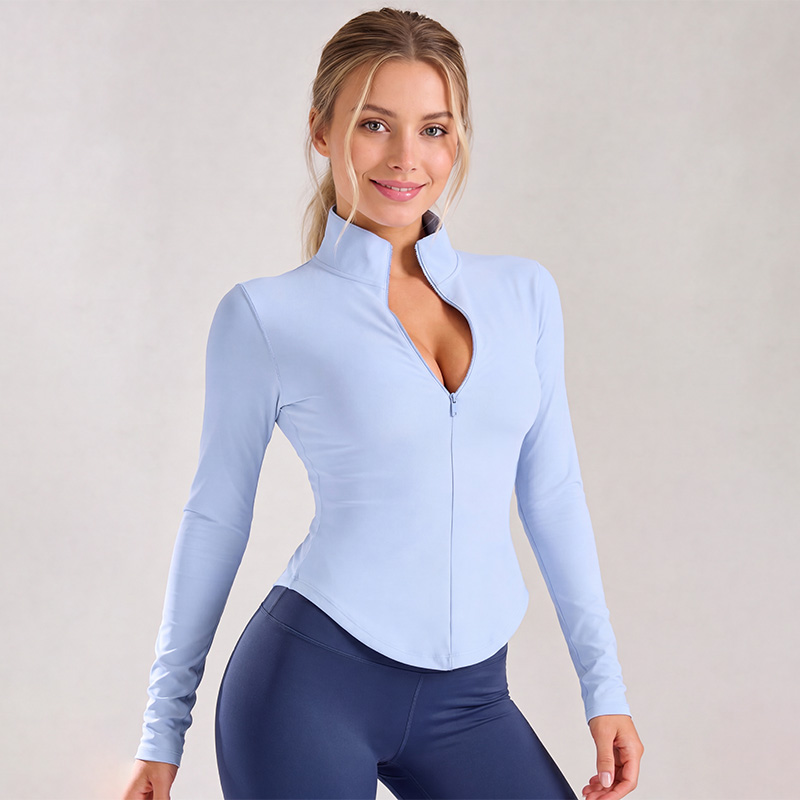
Choosing a supplier for bespoke yoga apparel determines more than cost; it shapes customer perception, durability, and studio retention. For a brand-conscious studio or retail line, decisions about cut, fabric, and production model must align with practice needs—techniques such as moisture-wicking finishes, four-way stretch, and durable flatlock seams translate directly into user comfort and repeat purchases. Early in the sourcing conversation, request samples of custom long sleeve shirts so material performance is judged, not assumed.

Supplier types compared: domestic, offshore, and hybrid
Domestic suppliers offer faster lead times and closer quality oversight; offshore partners yield lower unit costs at higher minimum order quantities (MOQ). Hybrid models combine small domestic runs for seasonal drops with larger offshore production for steady stock. Each model has trade-offs: domestic reduces logistical complexity and supports rapid design iteration, while offshore demands stricter tech packs and tighter pre-production approval processes to prevent costly rework.
Material and fit: what to insist on during development
Prioritize fabric performance and stitch integrity. Specify knit weight, elastane percentage for stretch, and clearly annotate locations for flatlock seams to prevent chafing. Include anti-odor treatments or moisture-wicking yarns only after evaluating wash tests. In one real-world engagement with a boutique studio in Brooklyn, we found that swapping to a slightly heavier knit improved perceived quality and reduced returns within months—proof that material choices matter on the shop floor. Also evaluate pattern grading and sample fit across sizes rather than assuming a single sample represents the full run; true fit requires graded toile testing and iterative adjustments.
Cost structure, MOQ, and inventory strategy
Break down landed cost into fabric, trims, labor, freight, duties, and inspection. Low per-unit price can hide high inventory carrying cost if MOQs demand excess stock. For private-label programs, negotiate rolling schedules or small-batch pre-orders to test designs. Consider a capsule model that begins with limited SKUs—this reduces risk and surfaces which colorways and silhouettes perform before you commit to large runs.
Quality control and common mistakes to avoid
Common failures include vague tech packs, inadequate sampling, and skipping third-party inspections. Avoid high-level descriptors—specify stitch type, seam allowance, and acceptable tolerance ranges. Do not conflate appearance with performance; a fabric that looks luxe may fail wash tests. —Take the time to require wash and abrasion test summaries so the supplier’s claims are demonstrable.
Alternatives and small-batch strategies
If capital limits larger MOQs, white-label programs and on-demand cut-and-sew vendors offer alternatives. White-label reduces design control but accelerates store-ready inventory. On-demand manufacturing curbs inventory risk but typically raises per-unit cost and lengthens delivery for bespoke cuts. Balance these trade-offs based on launch runway and brand positioning.
Operational checklist before signing
Use a concise checklist: (1) approved final fit samples across sizes, (2) documented fabric performance tests, and (3) clear inspection and returns policies. Include lead-time penalties in contracts and require color standard approvals via physical swatches rather than digital proofs to avoid costly mismatches at scale.
Advisory: three golden rules for selecting the right supplier
1) Prioritize sample fidelity: insist on graded samples and wash-tested materials before committing. 2) Align MOQ with your inventory strategy: avoid excessive stock by negotiating rolling production or smaller pre-orders. 3) Measure supplier responsiveness: lead-time adherence, clarity in tech packs, and willingness to run pre-production tests predict long-term reliability.
These metrics yield measurable results—shorter rework cycles, fewer returns, and a clearer path from concept to customer. The practical value of a thoughtful supplier choice becomes evident in studio retention and product longevity, which is where Joebond naturally fits as a partner that understands these operational realities: Joebond. —