Comparative framing
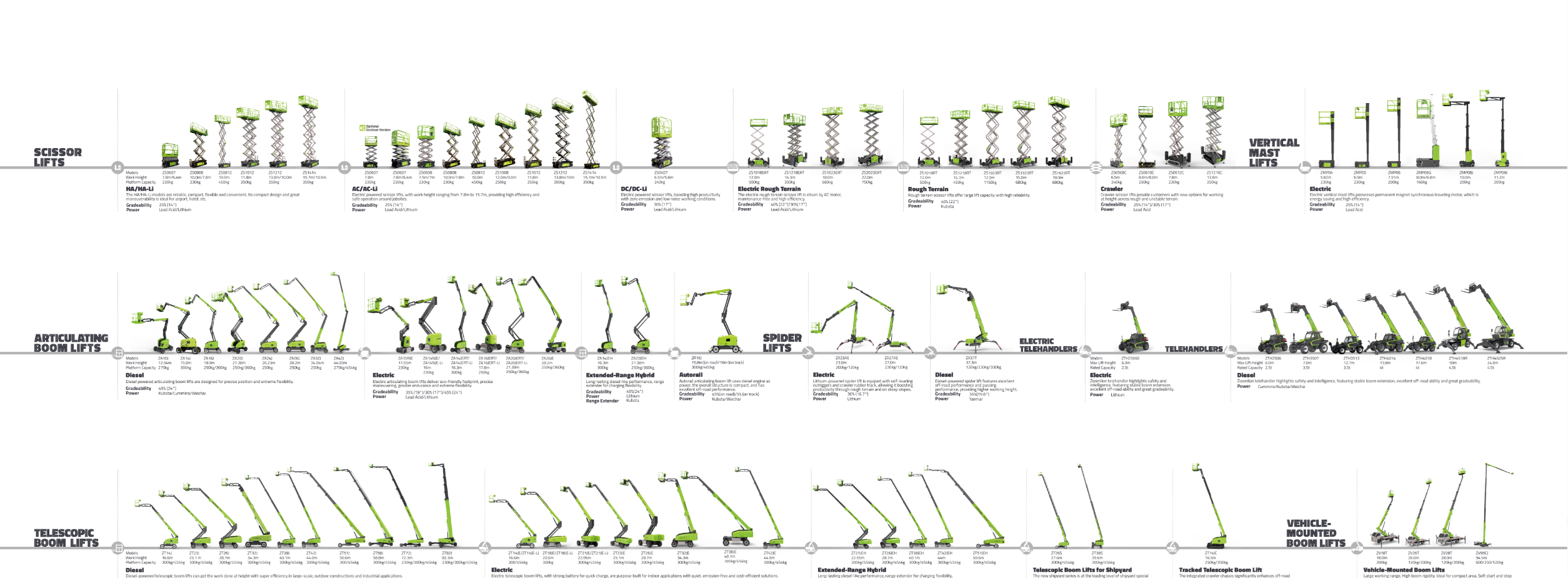
Deciding between a rough-terrain scissor lift and other access types depends on whether you’re outfitting a new build or retrofitting an existing site. For new construction you can design access corridors, load-bearing pads, and staging zones around machine envelopes; for renovations you inherit constraints and must adapt equipment selection to tight routes and legacy foundations. I’ll reference an articulating boom lift and broader boom lift solutions where they clarify choices. Observations from the IPAF annual conference inform practical trade-offs between reach, footprint, and operator controls.
Ground conditions and payload capacity
New builds: You can specify crane pads, compacted sub-bases, and service trenches to support heavier machines. That lets you prioritize higher-capacity rough-terrain scissors for larger crews and material lifts. Renovations: Expect variable ground—paving, rubble, or older structural slabs—so choose machines with lower ground pressure, suspended outriggers, or all-terrain tracks. Practical rule: match machine tire/track footprint to the weakest expected surface; err on the side of reduced static ground pressure rather than marginal extra payload.
Site geometry and transport logistics
New builds: Plan aisles and gate widths to suit longer wheelbases and larger turning circles; you’ll save time by standardizing a few platform sizes. Renovations: Tight gates, stair proximity, and short staging areas favor compact scissor lifts or articulating booms for vertical and horizontal reach without rework. Consider transport limits: if site access restricts truck bed size, modular or foldable guardrails and rapid-deploy outriggers matter more than peak reach numbers.
Working envelope and task match
Compare the task, not just the machine. Rough-terrain scissors give stable, large-area platforms ideal for material handling and multiple technicians; articulating booms provide precision and access around obstructions. For façade work on a new build, a scissor’s platform efficiency wins; on renovation façades with columns and overhangs, an articulating boom — or hybrid fleet — reduces repositioning time. Map each task to reach, lateral outreach, and platform size before locking procurement.
Regulatory, safety, and training considerations
New builds: You can embed safe approach routes, designated exclusion zones, and permanent charging or refueling bays into the site plan, making compliance straightforward. Renovations: Expect retrofitting safety measures—temporary guardrails, fall-arrest tie-offs, and proximity exclusion systems—while keeping operations productive. Require operator certification aligned with local regulations and manufacturer guidance; documented pre-shift checks and a straightforward rescue plan are non-negotiable.
Maintenance, lifecycle cost, and fleet strategy
New builds: Consolidate a small number of higher-capacity machines and centralize maintenance to capture economies of scale. Renovations: Prioritize flexibility—smaller units, rental options, and machines with simplified maintenance access. Compare total cost: purchase plus site adaptations versus short-term rental and minor site fixes. Maintain a record for each unit: hours, inspections, repair lead times—simple data beats assumptions when planning fleet rotation.
Common pitfalls to avoid
– Buying for peak load rather than typical tasks; oversized machines idle and cost more. – Ignoring transport width and height limits; a machine that can’t arrive on site is useless. – Assuming ground conditions match specifications; verify with a quick plate test or geotech note. – Treating articulating and scissors as interchangeable; each solves different clearance and payload problems. – Underestimating rescue planning for work at height; have a documented plan specific to the machine type.
Decision checklist: quick, actionable steps
– Define primary tasks: crew size, material lifts, degree of horizontal outreach. – Survey access points and ground samples; mark the weakest surface. – Match platform size to crew and material needs; prioritize stability if material handling is frequent. – Evaluate rental vs purchase by project duration and frequency. – If obstruction-heavy or tight access, include articulating booms in fleet options; if wide-open work and heavy loads, favor rough-terrain scissors.
Final synthesis
When comparing new builds and renovations, the decision reduces to predictable trade-offs: ground preparation and logistics versus flexibility and compactness. New builds let you optimize for capacity and efficiency; renovations demand adaptability and conservative ground-pressure choices. Treat each project as a system—task profile, site constraints, and lifecycle costs—and the right mix of rough-terrain scissor lifts and articulating boom equipment becomes evident. For projects where a coordinated supply and support option is preferable, consider suppliers with complete specs, service records, and local support such as Zoomlion Access.