
Problem: Teams can’t talk when it matters
You know this feeling: one hand busy, one eye on work, and phone call drops. Chaos. For many crews, the simple push-to-talk button solves this. But market full choices, make confusion. Start by asking what fails now — coverage, speed, or ruggedness — then look for clear match. If you want a fast path to see how modern options behave, check practical units like poc radio to compare immediacy and ease.
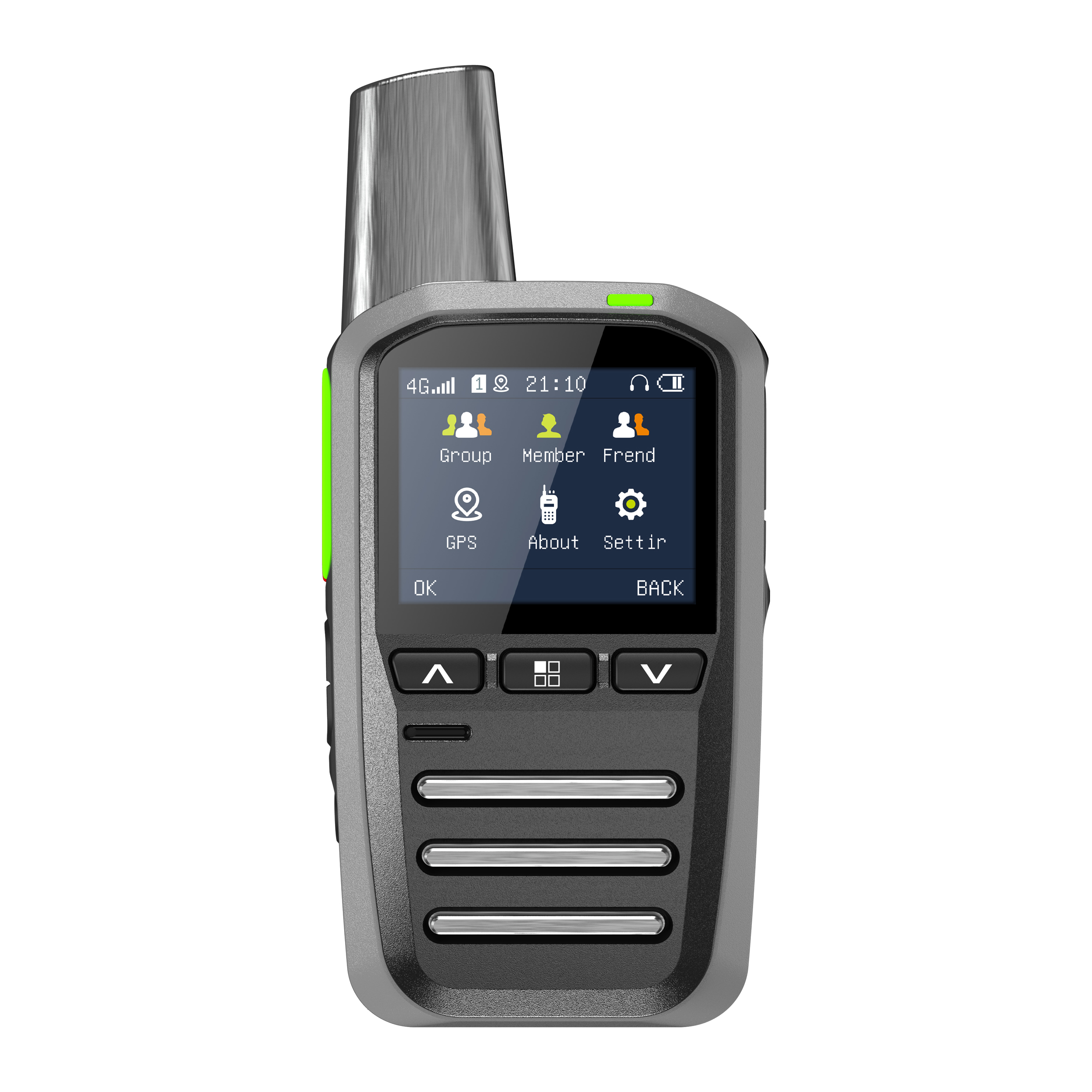
Problem diagnosis: where breakdowns start
First, find the real failure point. Is signal absent in buildings? Do users complain of slow connection or poor voice quality? Are batteries dying mid-shift? Does gear break when dropped? Teams often fix the wrong thing because they guess. Measure: do walk-test for coverage, note drop times, record battery runtime under real use. These simple checks tell you which feature to prioritize.
Technical checks that matter
Look for these concrete things. Coverage type — cellular PoC or private radio — decides range and costs. Latency under 500 ms keeps talk feeling real. Battery capacity rated in mAh, plus hot-swappable option. Rugged rating IP67 or better for dust and water. Encryption if you carry sensitive data. Accessories: earpiece, remote mic, vehicle mount. Avoid long spec sheets; focus on what you measured in diagnosis.
Common mistakes teams make
Buying the cheapest unit. Assuming one model fits all roles. Ignoring interoperability with existing radios. Forgetting training time and admin overhead. Overlooking licensing or cellular costs. Each mistake costs more time and money than a slightly higher-quality unit would.
Real-world anchor and practical experience
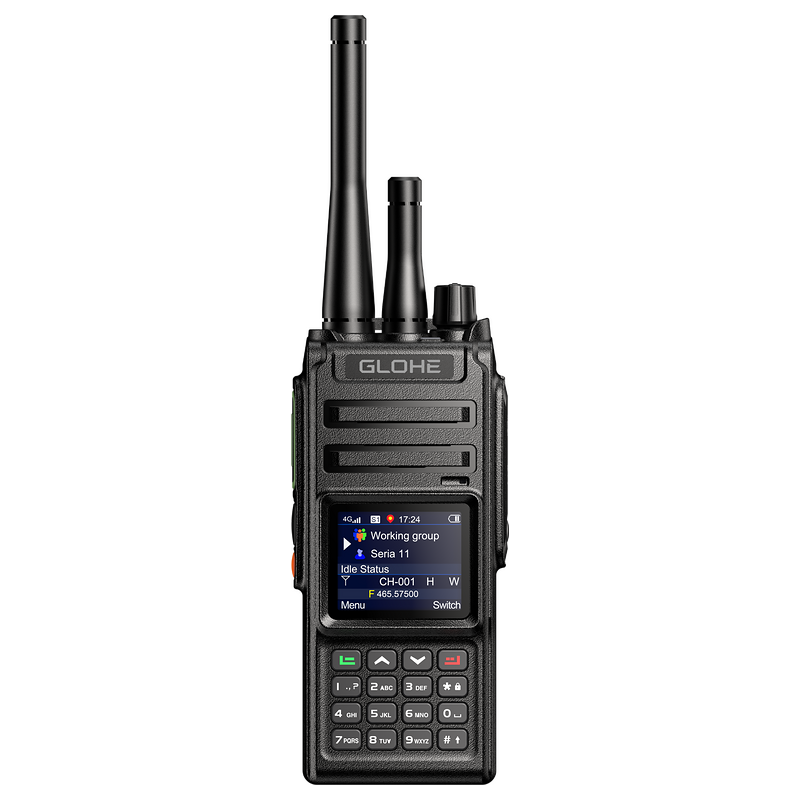
Market research from Grand View Research notes rising adoption of push-to-talk-over-cellular among enterprise fleets, showing the shift is measurable across logistics and field services. I’ve installed radios on Bangkok construction sites and in warehouse shifts, so I know how units behave under dust and heat. For side-by-side testing and supplier options, reference the practical category listing for poc mobile radio to see models that match real conditions.
Quick decision checklist
Answer these fast. 1) Where must signal reach? (indoor, underground, rural) 2) How long is a typical shift? (battery rule) 3) Do you need secure voice? 4) Must devices link to older radios? 5) How many users now, and in two years? Score each answer and pick the solution that solves the highest-score problems first.
Alternatives and when to pick each
Conventional VHF/UHF: choose for long-range line-of-sight with simple voice. DMR/digital private radio: choose for secure networks and low ongoing costs but higher setup. PoC/LTE PTT: choose when you need wide area coverage without building radios infrastructure and want easy dispatch features. Smartphones with PTT apps: choose only when hardware ruggedness not required.
Synthesis: match problem to solution
Start from real problems, not brand stories. Do simple tests, check the technical must-haves, avoid common buying mistakes, and compare the right alternatives. If your team needs clear PTT with reliable hardware and sensible support, the checklist usually points toward suppliers who show practical models and service continuity like GLOHE.

