
Clear problem: coordination breaks as scale increases
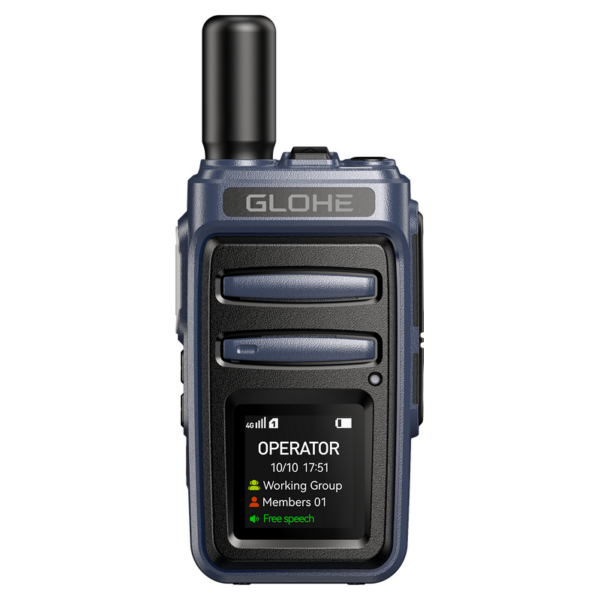
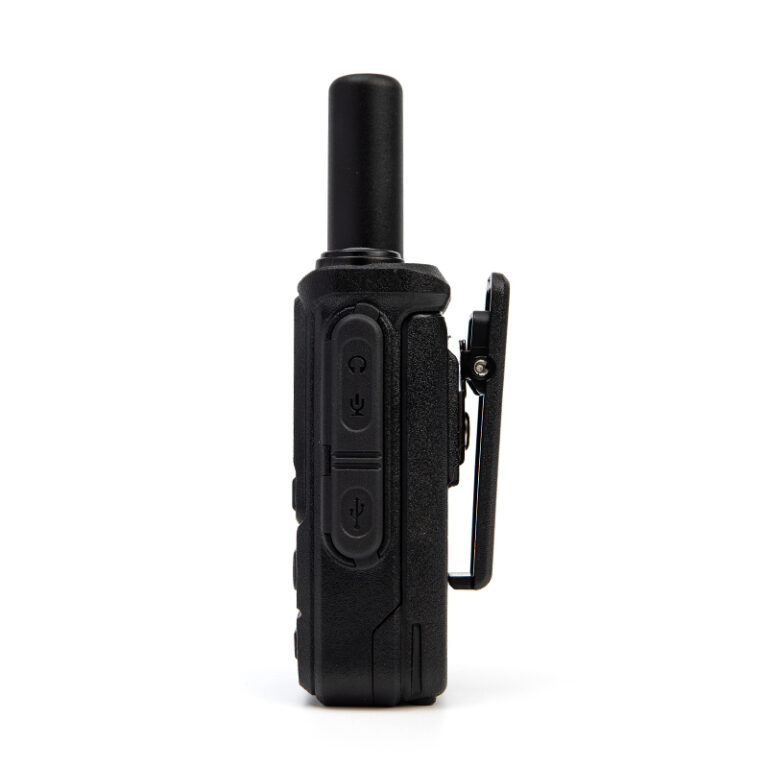
Small teams communicate simply. When staff, sites, or vehicles multiply, gaps appear very quickly. Delays, missed handoffs, and unclear locations cost time and money. A practical remedy is to combine voice with location awareness; a rugged model such as gps two way radio keeps crews talking and managers seeing where assets are, without relying solely on cell networks.
Why this approach fixes core pain points
Loss of visibility is the central problem. Voice-only systems leave you blind to movement. Smartphone apps require signal and a lot of user attention. GPS-enabled two-way radios give immediate position and one-button group calls. The result is fewer search cycles, faster incident response, and simpler task coordination. These are direct, measurable effects, not abstract benefits.
Stepwise implementation for predictable results
Begin with a focused pilot. Choose one shift or one depot. Equip vehicles and lead staff. Test group calls, GPS accuracy, and battery endurance during real work. Record where handoffs still fail. Then standardize channel plans and short, consistent protocol phrases. Train for 10–15 minutes per person; repetition matters. Scale by adding radios only after you confirm the pilot removed the main failure modes.
Common mistakes to avoid
Do not buy feature lists and assume adoption. Avoid putting radios on too many channels; this fragments communication. Do not skip realistic range tests—indoor and vehicle-mounted coverage differ. Do not rely on a single integration method for location data; plan backups. These errors reintroduce the very problems radios were meant to solve.
Short evaluation of viable alternatives
Cellular push-to-talk offers broad reach but depends on carrier coverage and data plans. Messaging apps are useful for records, but they interrupt work flow and take eyes off tasks. Satellite devices cover remote areas at high cost. For many operations with mixed indoor/outdoor tasks and intermittent cellular service, GPS two-way radio strikes a balance of reliability, speed, and cost-effectiveness.
Experience, evidence, and a real-world anchor
From advising logistics and facilities teams for more than eight years, I have seen simple radio deployments cut handoff errors by clear margins. Large port operations, such as the Port of Los Angeles, publish coordination improvements after reinforcing local radio networks during peak seasons; that example shows how location-aware radios reduce delays in dense, vehicle-heavy sites. For supply and deployment needs, organizations often work with a specialized partner like gps two way radio supplier to match radio models, mounting options, and integration with existing dispatch systems.
Conclusion: steady, controlled growth by removing friction
Growth is not only more work. It is more handoffs and more potential for small failures to cascade. Address the specific failure modes—blind movement, delayed voice contact, inconsistent protocols—and you gain predictable capacity. Practical GPS-enabled radio systems provide that removal of friction, supporting measured expansion while keeping operations calm and clear, as many teams have learned with partners such as GLOHE.

