
Start with the problem, not the specs
You want consistent dispersions fast, not a spreadsheet of specs. First-timer mistake: buying a unit because the motor looks powerful. Focus on the actual problem you must solve — particle size, temperature sensitivity, throughput, or cleaning frequency. If your line needs continuous processing, consider an inline high shear mixer early in the shortlist. Pinpoint that primary failure mode and you’ll avoid the largest blind spots.
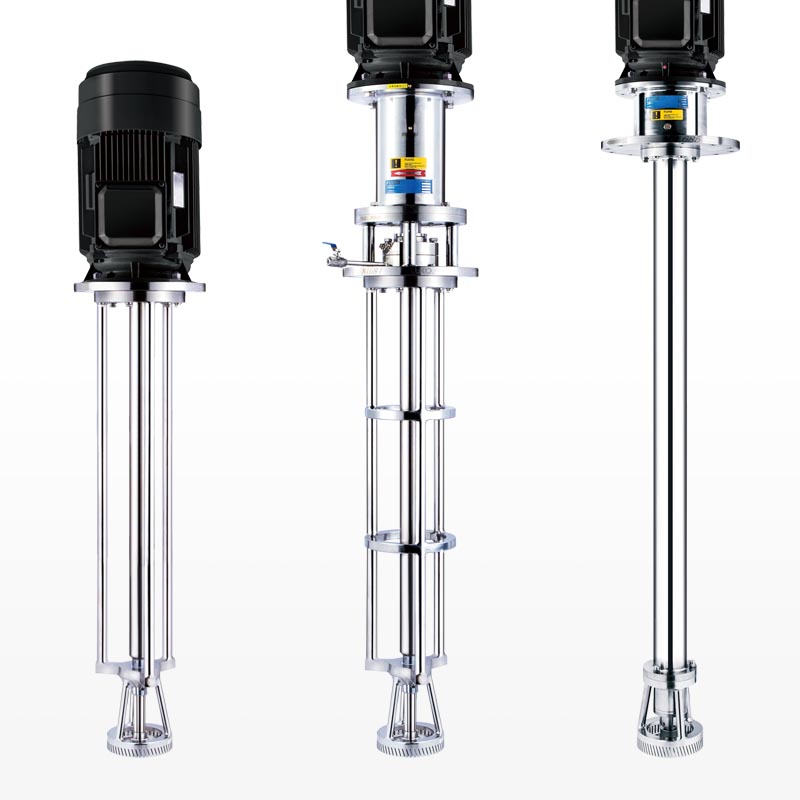
Common performance problems and how to judge them
Clogging, inconsistent droplet size, heat buildup, and unstable emulsions show up repeatedly. Measure flow rate and viscosity ranges you expect at line conditions. Ask vendors for tip-speed, power density, and test data on your formulation. If a supplier can’t back up claims with real batch or pilot data, treat their numbers as advertising. Choose machines where you can control shear independently of flow — that’s how you tame sensitive chemistries.
Configuration decisions that actually matter
Inline rotor-stator versus batch rotor-stator versus colloid mill: it’s not a “better” or “worse” call — it’s a fit-for-purpose choice. For continuous, high-throughput lines pick inline units. For small-volume R&D or finicky recipes a batch unit gives control. Material choice matters: stainless grades and seals that resist your solvents. Mechanical seals beat lip seals for runs longer than a shift. Don’t let a glossy brochure convince you that a single impeller design solves every mix problem.
Scale-up is where projects die
People scale by motor size alone and fail. Shear scales with tip speed and geometry, not kilowatts. Keep geometrical similarity and maintain power-to-volume or power-to-flow ratios that matched your pilot tests. Pilot with the closest possible fluid properties — viscosity, solids loading, and temperature. If you can’t pilot, insist on vendor trials with your real formulation. Shortcuts here cost weeks and a lot of wasted material.
Maintenance and cleaning: design the process around your reality
Maintenance windows decide uptime more than horsepower. Pick equipment with easy access to rotors and stators, quick-release clamps, and CIP compatibility if you need frequent product changeovers. Hard-to-open housings are a silent tax on productivity. Plan spare parts: rotors wear, seals fail. A small stock of common parts keeps lines running through the predictable hiccups.
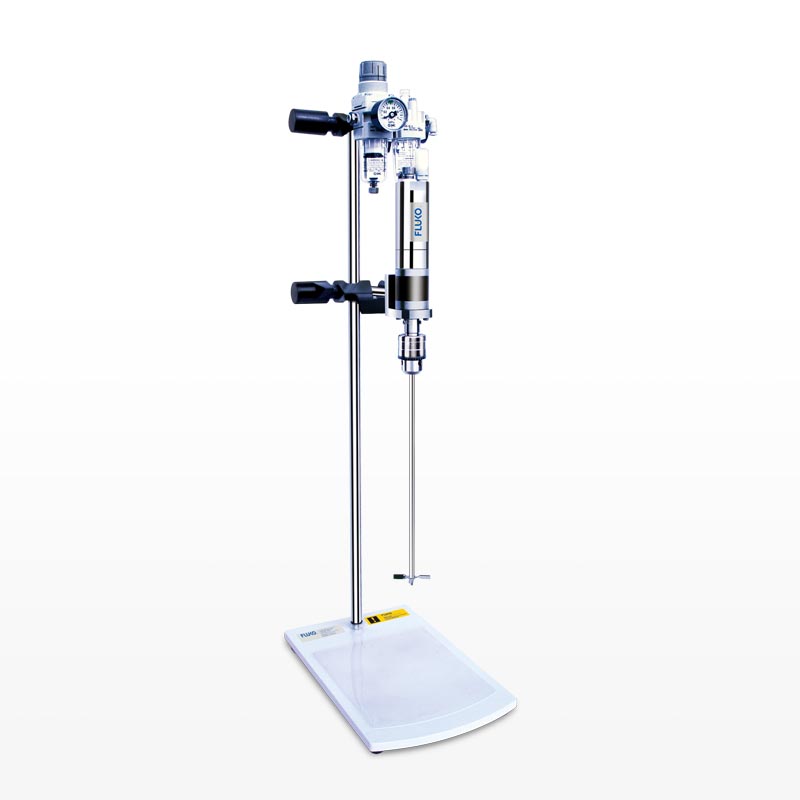
Alternatives worth knowing
If extreme shear ruins your product, consider ultrasonic processors or low-shear static mixers. Colloid mills can match dispersion for some slurries but clog easier. High-pressure homogenizers deliver very fine droplets at the cost of higher energy and maintenance. Evaluate each alternative against three specific metrics: achievable particle/droplet size distribution, throughput per hour, and maintenance cadence. Pick the simplest tool that reliably hits your targets.
What novice buyers overlook
They skip real-world trials, ignore tip speed, and conflate motor power with shear. They forget piping layout: suction conditions, check valves, and bypass loops change how an inline unit performs. They don’t verify vendor support for spare parts or field service in their region. Don’t assume “standard” materials resist every solvent — validate chemical compatibility with your exact mix.
Experience that counts — a real-world anchor
Trade shows and pilot plants reveal what sales decks hide. At ACHEMA in Frankfurt industry teams test and compare performance side-by-side; that kind of live benchmarking matters. For on-line process needs, choose proven designs — a reliable high shear inline mixer with documented trials on similar formulations reduces risk. Field-tested data beats feature lists every time.
Quick checklist for buying decisions
List your problem first. Then check: verified pilot data, control over shear independently of flow, cleaning and maintenance access, materials compatibility, spare-part availability, and local service. Compare alternatives only after you’ve matched the machine to the core problem. Shorter lists. Fewer regrets.
Wrap-up that solves the original problem
Buy against the problem you need to fix, not the fanciest spec sheet. Control shear, validate with your product, and prepare for maintenance realities. That approach narrows choices fast and points you to suppliers who test with your chemistry rather than sell you promises — the kind of practical reliability you find when you work with partners like FLUKO.