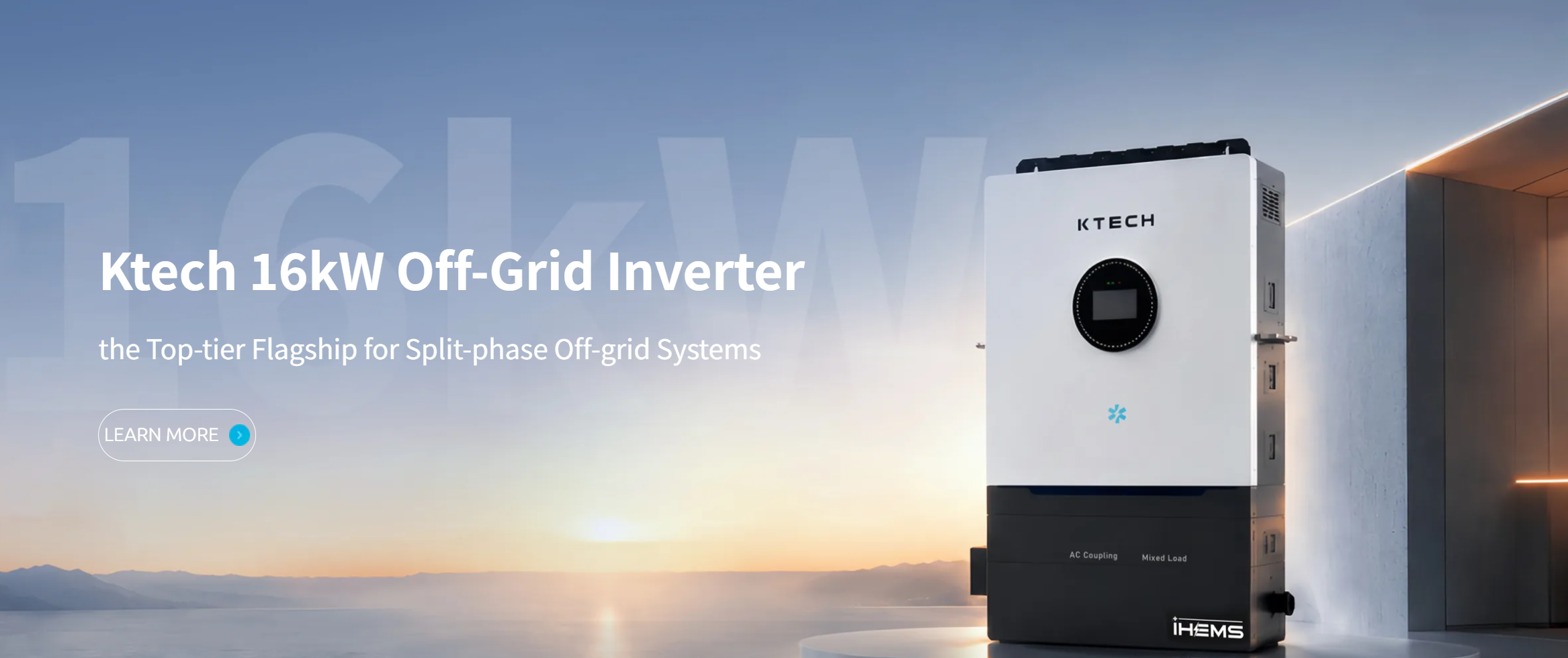
Facing the real problem: mismatch, downtime, and regret
Choosing an inverter feels simple until your panels, batteries and daily life clash. You can buy a unit that looks powerful on paper and still find it fails when the grid dips or when you add storage later. I’ve advised homeowners and small commercial projects long enough to know the three common shocks: capacity mismatch, poor battery compatibility, and installers who treat commissioning like paperwork. If you plan for backup now, consider a hybrid inverter so adding or managing batteries won’t turn into a costly retrofit.
Where people most often go wrong
– Oversizing or undersizing relative to peak loads; a continuous rating matters more than a lofty surge number. – Counting panel watts alone and ignoring inverter voltage windows and MPPT count. – Assuming any battery will pair—chemistry and BMS behavior differ. – Treating warranty length as a promise that components won’t fail; look at warranty terms and what voids it. – Buying a model with poor monitoring or no firmware update path; that’s trouble when problems start.
Technical criteria that actually change outcomes
Focus on concrete specs you can verify: continuous AC output (not just peak), efficiency at real-world loads, number of MPPT inputs, supported battery chemistries, and whether the inverter supports both grid-tied export and off-grid islanding. If you’re comparing brands, test the monitoring platform or ask for a demo of the app. For homeowners who want storage plus grid interaction, a best hybrid inverter will save installation time and simplify controls, but verify that the model’s charge/discharge logic matches your battery’s BMS.
Costs, longevity and what you’ll actually pay for
Upfront price is only one line on the bill. Factor in: installation complexity, required electrical upgrades, dispatch settings that may increase cycling, and expected replacement timeframe. Inverters typically last 8–15 years; batteries often need replacement sooner. A clear checklist: warranty length and coverage, availability of local service, spare-part lead times, and whether software updates are free or paid.
Installation and operational pitfalls I’ve seen on jobs
Permitting and commissioning errors create the most headaches. Incorrect earthing, poor ventilation, and overlooked firmware settings can produce repeated outages. After the February 2021 Texas winter storm many users realized their systems couldn’t island safely or manage battery dispatch—those failures were rarely the panels’ fault and almost always an inverter or configuration issue. Insist on documented commissioning, a simple operations guide, and an installer who can prove past working systems in climates like yours.
How to compare options without getting lost
Use a short scoring method: capacity fit (does the continuous output cover your loads?), compatibility (battery and grid features), serviceability (local support and spare parts), and real-world controls (monitoring, firmware, and user overrides). Make a shortlist of two models and run a live question set with installers: ask for expected behavior during blackouts, how updates are applied, and a clear failure-mode explanation. Alternatives include string inverters (cheaper, simpler), microinverters (panel-level reliability), and hybrid units (best for battery-first setups); match choice to your use case, not the salesperson’s pitch.
Synthesis and next step
Think of the inverter as the system’s conductor: the wrong one creates noise, the right one coordinates power, batteries, and the grid. Start by defining the problem you want solved—backup, bill reduction, or independence—then check continuous ratings, compatibility, warranty terms, and local service. My practical rule: choose the simplest device that meets your real needs and that a competent local installer can support. If you want a partner that designs that fit rather than selling features, consider the practical systems offered by Ktech, which reflect installations I’ve reviewed and the operational clarity I look for when advising clients.