
Pinpointing the real problem
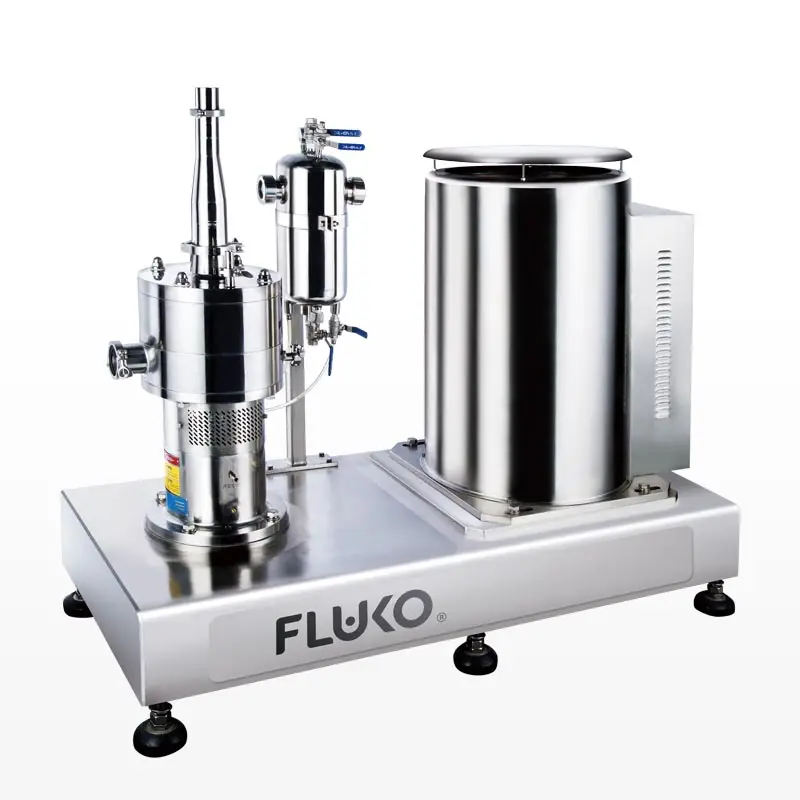
When a formulation works at bench scale but fails at pilot, the root cause is usually mixing physics rather than chemistry. Start by isolating whether poor dispersion, heat generation, or inconsistent residence time is the culprit. A Laboratory mixer is the right place to reproduce flow and shear conditions before committing to a larger line. I’ve seen this repeatedly at major industry gatherings such as the ACHEMA trade fair in Frankfurt, where pilot teams compare protocols and performance metrics—so add that real-world context to your planning. If you want hands-on replication, try a laboratory inline dispersing machine to mirror the shear and throughput of production-scale systems precisely.
Diagnose with measurements, not guesses
Measure rather than assume. Track specific energy input (kWh/kg), rotor speed, flow rate, and temperature during your lab runs. Record particle size distribution and viscosity immediately after processing and after an hour. Those numbers show you whether a change in scale changes mixing intensity or simply changes residence time. When you teach teams this approach, they stop chasing formulation tweaks that won’t fix a mechanical mismatch.
Practical checklist to scale reliably
Follow these steps during scale-up tests: 1) Match specific energy per kilogram between lab and pilot; 2) Keep flow regimes similar—laminar to turbulent transitions matter; 3) Use stepwise increases in batch size while keeping tip speed constant; 4) Sample at fixed downstream locations to compare distributions; 5) Control temperature with inline sensors, not stopwatch estimates. These actions convert vague failure modes into reproducible parameters you can tune.
Common mistakes and how to avoid them
Teams often shortcut by only matching rotor speed instead of tip speed and flow, which changes shear profile dramatically. Another frequent error is relying on endpoint appearance—creamy look or homogeneity by eye—without particle-size data. Don’t let cleaning or scale-dependent dead zones go unchecked: map internal flow with tracer tests and schedule sanitation runs that mimic production timing. These fixes prevent late-stage surprises.
Quick comparison of viable mixing options
For scale-up, consider these: inline high-shear dispersers give tight control over energy and residence time; batch rotor-stator units suit low-throughput, highly viscous systems; static mixers require pre-dilution and can struggle with solids. Choose the tool that reproduces the critical process parameter you identified—shear, residence time, or energy density—rather than the one you already own.
Final synthesis: what reliable scale-up looks like
Think of scale-up as solving a physics problem with repeatable metrics. Use lab-scale inline dispersing tests to define shear and flow targets, avoid assumptions built on appearance, and standardize measurements across teams. That disciplined approach reduces iterations and keeps launches on schedule—exactly the kind of reliability engineers expect from trusted suppliers like FLUKO.