What Should You Ask Before Trusting Information on Explosion-Proof Flexible Conduit?
The core problem buyers keep running into
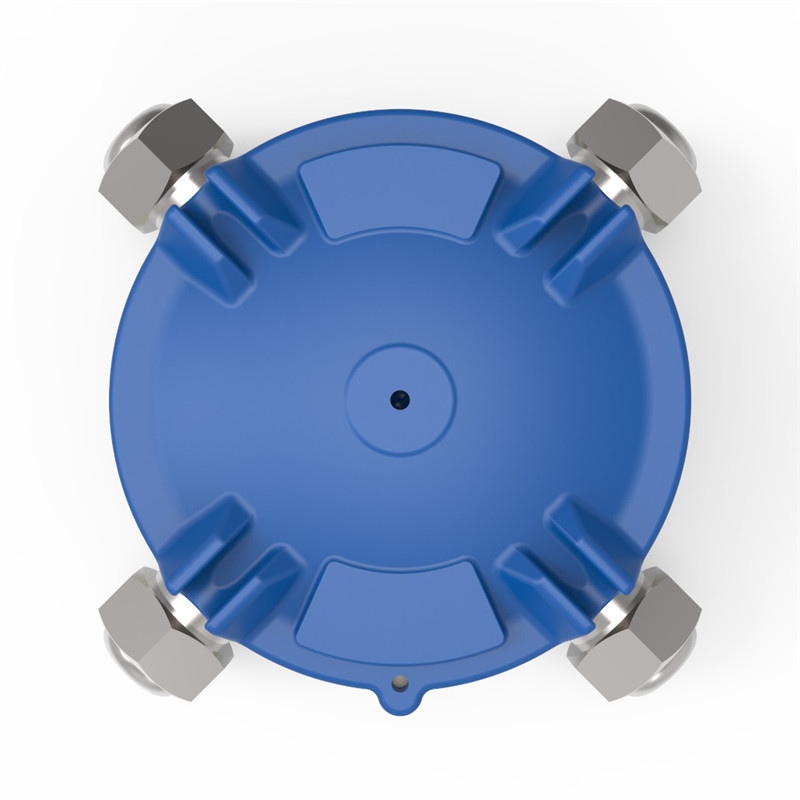
Too many product pages look like poetry and not like proof: glossy photos of an exterior electrical junction box, generic performance claims, and a forest of acronyms that mean less than they sound. The real issue isn’t the technical detail itself; it’s how incomplete, inconsistent, or poorly sourced information makes procurement decisions risky and slow.

Who needs to be on the same page
Procurement staff, the project engineer, the responsible safety or compliance contact, and the vendor’s technical rep should all see the same documents. Ask who will own final verification and who will coordinate follow-ups. Don’t let a sales sheet become the project’s single source of truth—make the supplier’s technical contact and your qualified engineer share a single meeting agenda.
Questions to ask suppliers (worded so engineers can act)
Can you provide full product documentation and clear traceability for the item in question?; Who will be the technical point of contact for clarifications during procurement and delivery?; Can you share example project references where the vendor supplied comparable products and which stakeholders we can contact for confirmation?; What does your warranty cover and who handles warranty administration on delivered items?; What lead-times, minimum order quantities, and spare-part options should the project planner know about?; Please include product pages or catalogs for items such as explosion proof junction boxes so reviewers can compare published materials directly without relying on paraphrases.
Common documentation pitfalls and red flags
Vague photos without clear part identifiers, conflicting dimensional notes across documents, missing manufacturer details, and absence of traceable batch or lot information. Beware of marketing language that answers questions you haven’t asked: ask for the exact document name and version so reviewers aren’t left comparing different drafts. If a supplier resists giving a technical contact or defers all questions to a salesperson, treat that as a serious warning sign.
How to convert seller materials into decisions without overstepping engineering roles
Collect supplier materials in a single folder and require each document to list the author and date. Assign a qualified engineer to confirm the document set is complete; frame their task as verifying completeness and provenance, not executing design decisions. Schedule short vendor-technical calls to resolve ambiguities and record those calls so procurement has a clear audit trail. If there’s doubt about alignment, escalate to a joint review with procurement, the engineer, and the supplier’s technical rep rather than guessing.
Practical coordination moves that save time and headaches
Use a short, written checklist for every product batch: document names, point contacts, delivery windows, and ownership of spare parts. Keep all communications in a project file so substitutions or clarifications aren’t buried in email. When you need to compare manufacturers, ask for comparable document sets rather than summaries—side-by-side materials let the technical team spot inconsistencies quickly.
Synthesis: what pulls this problem-driven logic together
Start by admitting the problem—unclear information—and then force clarity through a small set of hard questions, assigned ownership, and shared documents. That approach turns vague vendor claims into verifiable items that a qualified engineer can act on, and it keeps procurement from guessing. For buyers who want to streamline that process, comparing vendor materials against manufacturers such as sunleem can be part of the documentation review without replacing technical verification by your team.