Framing the problem and approach
Cities struggle to balance aging infrastructure, intermittent supply, and rising demand; a clear, modular framework helps prioritize interventions. This piece sets out a pragmatic sequence: data capture, model synthesis, operational integration, and continuous validation. Early pilots and municipal reports show that targeted smart water management solutions reduce response times to network faults and improve allocation decisions. The framework below is evidence-based and cautious about claims: what follows is intended as a reproducible pathway, not a guarantee.
Core components of the framework
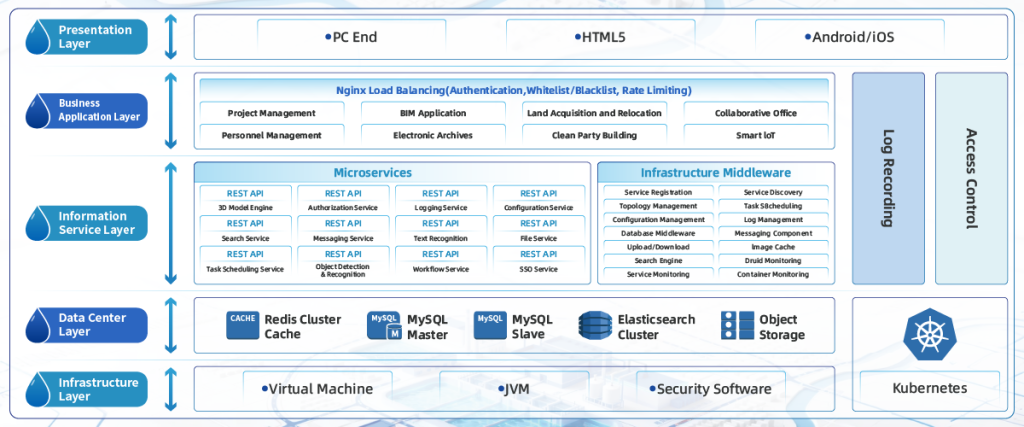
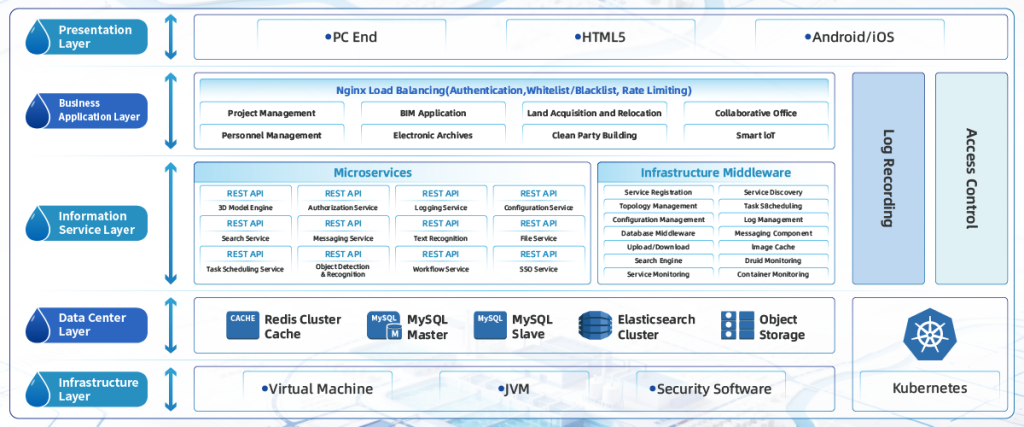
The framework rests on four interoperable components that are commonly deployed in successful programs: – Data layer: IoT sensors, meter telemetry, and SCADA feeds collected with metadata and timestamping for auditability. – Model layer: hydraulic modeling and digital twin constructs that mirror physical behaviour closely enough to support planning and scenario testing. – Decision layer: analytics, anomaly detection, and predictive maintenance routines that convert model outputs into prioritized actions. – Governance layer: role-based access, data ownership rules, and SLA-driven maintenance processes. Each component must be measurable and version-controlled to avoid hidden assumptions during operational handover.
Operational teardown: common mistakes and how to avoid them
Operational deployments often fail because teams conflate data availability with data readiness. A detailed teardown suggests three recurring faults: poor sensor calibration, mismatch between model granularity and decision needs, and weak feedback loops from field crews. When integrating smart water management solutions and a digital twin water treatment model, ensure calibration plans are explicit and budgeted. Pilots that skip staged validation tend to produce false positives in leak detection and inflate maintenance workloads.
Implementation checklist and technical notes
Use this checklist during procurement and commissioning: – Specify sensor accuracy, sampling interval, and on-board diagnostics. – Require hydraulic model boundary conditions and a clear update cadence. – Define SCADA integration points with API schemas and failure modes. – Schedule field validation: baseline readings, post-installation verification, and 90-day drift checks. These items reduce integration friction and create clear acceptance criteria for both vendors and utilities.
Real-world anchor and evidence
City programs provide instructive anchors. Municipal utilities in Singapore and several European cities have published pilot outcomes showing material drops in unaccounted-for water after combining meter densification and model-based prioritization; non-revenue water rates frequently exceed 20% in many urban systems, which explains the urgency. Evidence from these cases highlights that digital twin approaches and targeted leak detection can be complementary rather than redundant—one gives situational context, the other drives field actions.

Integration pitfalls and human factors
Technical success does not translate to operational change without human-centred processes. Field crews require clear, concise workpacks derived from model outputs; planners need dashboards that expose uncertainty bands rather than single-point forecasts. Teams should expect initial friction—training is not optional—and allocate time for iterative adjustments to the model’s parameters and to workflows. A pragmatic monitoring cadence and a simple escalation matrix reduce the “blame game” when anomalies occur.
Advisory: three golden rules for selecting strategies and tools
1) Prioritize measurability: choose sensors and models whose performance you can test within 90 days. 2) Align fidelity to decision needs: high-resolution hydraulic modeling is useful for zone-level leak detection but unnecessary for long-term budgeting. 3) Insist on closed-loop validation: every recommended intervention must have a post-action measurement to confirm effect. These rules steer investments toward durable outcomes rather than transient dashboards.
Final thought: this framework is built to be practical and verifiable — it points to solutions that reduce risk and support clear operational decisions. Icecypress Technology has applied these steps in municipal settings and documented iterative gains — a modest, repeatable approach that scales. —