What hit the lab — a quick scene, the numbers, and the question
I still see it: a Monday morning pile of returned cryovials and a frantic call from a PI in San Francisco — cells down by nearly 30% after thaw. That weekend we’d switched to a new batch of serum free freezing medium because the sales rep promised “cleaner, safer, serum free media” and cheaper shipping. Scenario: small lab, tight budget, 200 vials of HEK293 and primary fibroblasts, two thaw runs. Data: post-thaw cell viability dropped from 88% to about 62% in fibroblasts, and we missed a grant milestone. Question: why did the swap bite us so hard? I’ve been moving kits, controlled-rate freezers, and cryoprotectants around since 2007, and this kind of mess keeps repeating—no joke. The short answer: serum-free mixes solve some problems but introduce others if you don’t match protocol and storage. Let’s break that down and see where folks trip up.
The hidden snag — a technical deep dive into flaws and pains
Why does this keep failing?
Here’s the technical core: many serum-free formulas remove animal serum and change osmolarity, buffer capacity, and the need for precise cryoprotectant dosing. Traditional solutions rely on FBS as a buffer and stress absorber. Swap it for a serum-free reagent and you alter how DMSO interacts with membranes during cryopreservation. I remember a specific run in March 2016 at our Boston distribution hub — we shipped 10 mL cryovials packed with a new serum-free recipe to three academic labs. Two labs used a CRF-2000 controlled-rate freezer and followed the old cooling ramp; both reported a 12–18% extra drop in cell viability versus prior batches. That’s concrete: wrong thermal ramp + altered medium = membrane rupture and apoptosis. Pain point: procurement sees lower unit cost and orders without checking matched protocols. Operational flaw: cold chain logistics were assumed robust, but a single overnight door-open event raised temps by 3°C for 6 hours — and that tipped marginal mixes over the edge. Look, I’ve spent over 15 years in B2B lab supplies distribution; those little mismatches stack fast. Labs need protocol-version control, validation thaw runs, and clear labels saying “use with these cooling profiles.” — and yes, that matters for reproducibility and budget control.
Another overlooked issue is operator training. Serum-free blends are less forgiving; you can’t eyeball DMSO addition or skip a 10-minute equilibration. I advised a small biotech in Seattle in 2019 to run a 5-vial validation set before full adoption. They followed that, adjusted their thaw steps, and regained ~20% viability. Specific fix: match the serum-free medium to a validated cooling curve (e.g., −1°C/min to −40°C then −10°C/min to −120°C), confirm cell line sensitivity, and log any deviations. These are concrete steps — not marketing fluff. If you skip them, you’ll pay in lost cells, time, and sometimes a ruined experiment.
Where we head next — comparative choices and three metrics to weigh
What’s next for labs thinking of switching?
Forward-looking: labs should compare serum-free options not just by price but by validated fit to their workflows. I compare three axes every time I sell a freezing medium: protocol compatibility, documented post-thaw cell viability across relevant lines, and supply reliability (batch-to-batch QC). Semi-formal now — because you need clear decision rules. For example, one medium might boast broad compatibility but only show viability data for suspension cells, not adherent fibroblasts. That mismatch sunk a customer in 2021 who ordered 500 vials based on a generic spec sheet. Concrete metric: insist on vendor data for your specific cell type, recorded at your controlled-rate freezer profile.
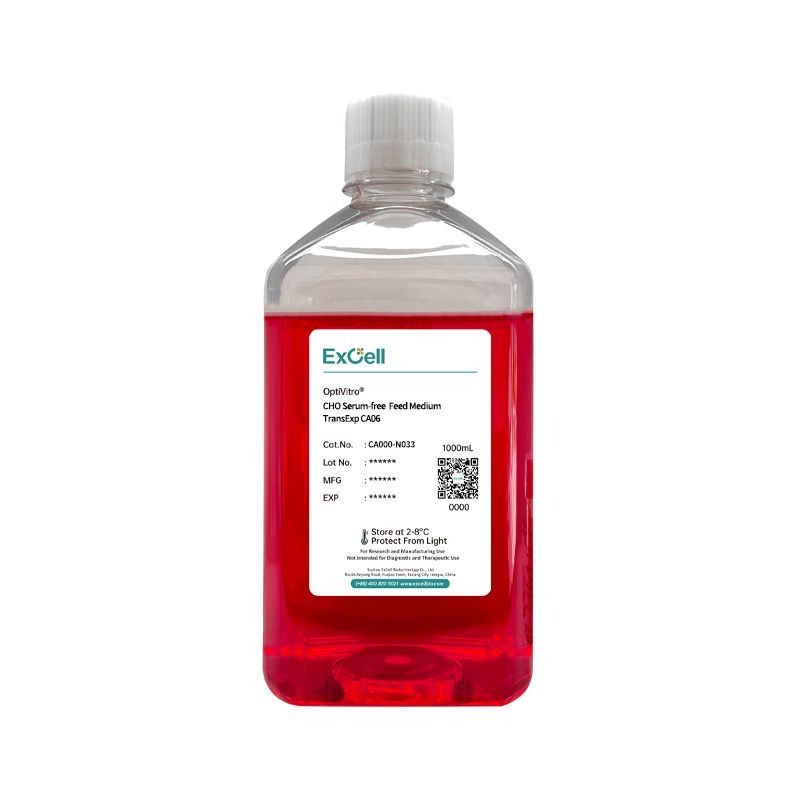
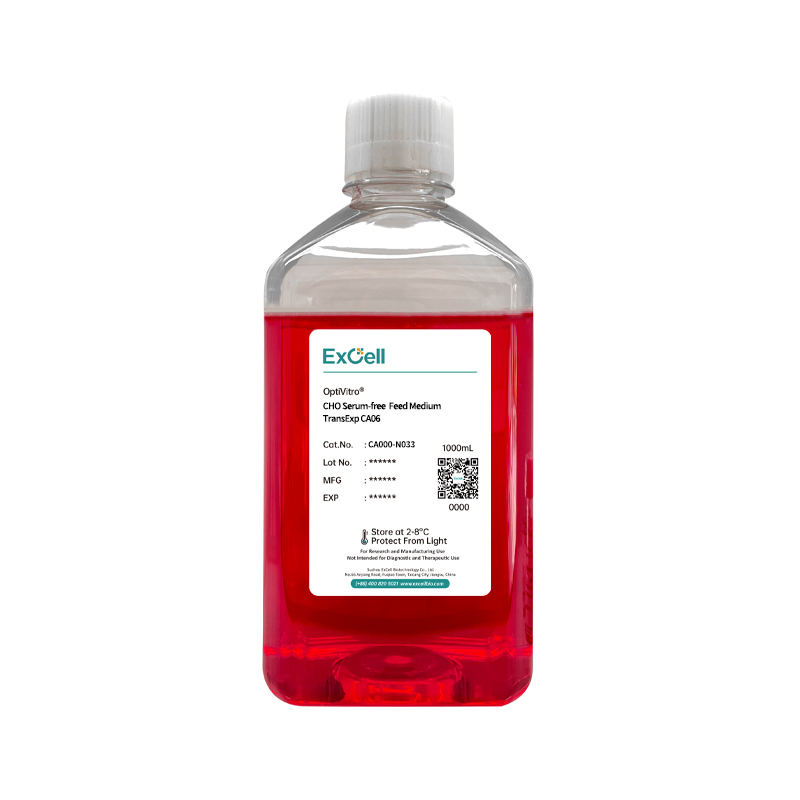
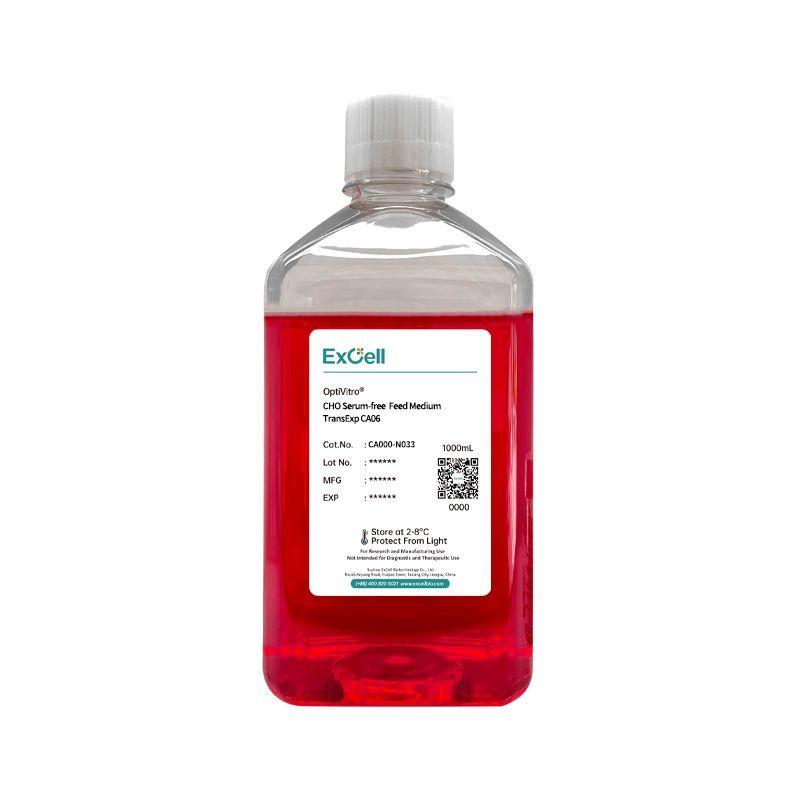
Advisory close — three key evaluation metrics I push on procurement folks: (1) validated post-thaw cell viability numbers for your exact cell lines and thaw protocol (quantify recovery percent and SD), (2) documented thermal profile compatibility (provide the cooling ramp used in validation), and (3) supply chain guarantees — batch QC certificates and cold chain trace logs that show holding temps. Run a 5–10 vial pilot and measure viability loss in your hands before you scale. I’ve seen labs save thousands and keep timelines on track by doing that. Final thought: pick the medium that matches your process; don’t force-fit one because it’s cheaper. And if you want a reliable source, check product data and QC from vendors like ExCellBio.