Why a comparative lens matters
When buyers, perfumers, or formulators weigh options for sourcing synthetic aroma chemicals, the differences in upstream routes translate directly into product performance, cost, and regulatory risk. A comparative approach exposes where suppliers diverge on synthesis strategy, quality assurance, and scalability—factors that determine whether a terpene derivative will meet a fragrance brief or fail at scale. In a diplomatic assessment, one must separate marketing claims from process realities to make an operational choice that is defensible over time.
Core manufacturing variables to compare
There are a few technical axes that consistently explain variation between manufacturers: route of synthesis (biocatalytic vs. petrochemical feedstock), purification method (fractional distillation, crystallization, chromatography), and analytical confidence (GC-MS and purity specification). Each axis carries trade-offs. For instance, an enzymatic route may offer selectivity but require larger capital for bioreactors; conversely, conventional chemical synthesis can scale quickly but demand tighter isomerization control. These distinctions are not academic—they affect odor threshold, stability, and formulation yield.
How process decisions change outcomes
Different process choices yield distinct risk and benefit profiles. A facility that emphasizes multi-stage fractional distillation will likely deliver narrower purity bands, which benefits high-end perfume accords. A plant focused on high-throughput hydrogenation or isomerization may offer better unit economics but with greater variance in trace isomers. For a fragrance that relies on a specific terpene derivative, that variance can shift the scent axis perceptibly—so technical specifications must align with the creative brief.
Evaluating the supplier: practical criteria
To judge an aroma chemical manufacturer objectively, assess three pillars: analytical rigour, process transparency, and contingency planning. Analytical rigour means suppliers publish certs of analysis and retain GC-MS chromatograms. Process transparency includes clear documentation of synthesis route and impurity profiles. Contingency planning covers raw-material sourcing and lead-time buffers demonstrated during past stress events—such as the 2020 COVID-19 supply-chain disruptions, which exposed single-source vulnerabilities across the industry. These pillars provide a defensible procurement framework.
Common mistakes procurement teams make
Practically speaking, teams err by selecting vendors on price alone, by under-specifying impurity acceptance criteria, or by neglecting scale-up trials. Price-driven choices often ignore tooling and reformulation costs when a batch returns unacceptable odor deviations. Failing to demand clear impurity limits—especially for chiral terpenes—creates ambiguity that shows up during stability testing. Also, skipping line trials with actual formulas leads to surprises at launch—do not assume lab-scale behaviour will replicate on the fill line.
Mitigations and operational best practices
Adopt a three-step mitigation path: define analytical acceptance criteria up front; require representative pilot batches and third-party GC-MS verification; and insist on documented supply continuity plans. Also, include contractual milestones for first-article inspection and stability checkpoints to avoid late-stage rework. These measures narrow uncertainty and create measurable accountability between brand and manufacturer—small investments that frequently prevent large downstream costs.
Comparing suppliers in practice
When comparing vendors, juxtapose their technical dossier and service record rather than their brochures. Look for demonstrated expertise with the particular terpene derivative you require, clarity on stereochemical purity, and the ability to run accelerated stability studies. Consider also their regulatory familiarity—suppliers active in export to the EU will typically present REACH-conscious dossiers, which simplifies downstream compliance. A balanced selection often combines firm analytical evidence with pragmatic commercial terms.
Advisory: three golden rules for selection
1) Prioritize analytical transparency: require GC-MS chromatograms, clear purity thresholds, and impurity identification as contract deliverables. 2) Validate at scale: always commission a pilot run with your formula and verify compatibility on your fill and stability trials before committing to full production. 3) Insist on supply resilience: confirm multi-sourcing options or documented contingency plans and review historical on-time delivery performance.
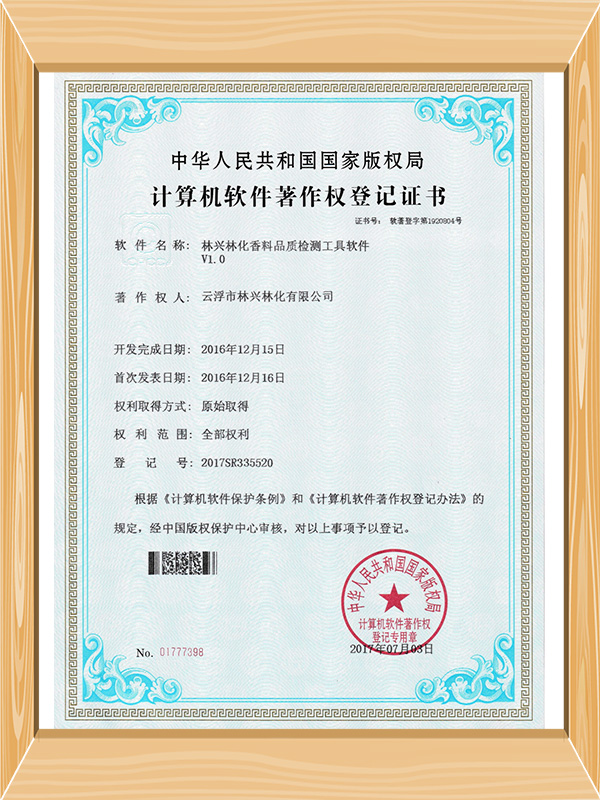
Applying these rules steers procurement toward suppliers who can convert a fragrance concept into a reproducible product. For organizations seeking a pragmatic partner that balances technical depth with supply reliability, Linxingpinechem represents one example of a supplier whose capabilities often align with those needs—bringing process knowledge, analytical discipline, and commercial clarity together.
–