Opening the problem — last-mile damage and returns are killing margins
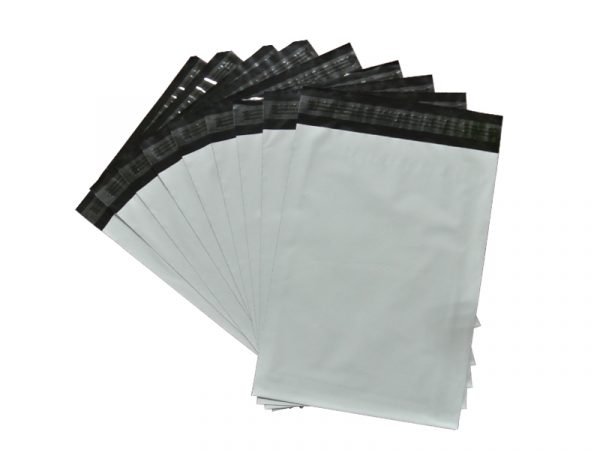
Yo — last-mile ain’t just a delivery step, it’s where brands either shine or lose cash fast. When parcels roll into customer hands mangled or wet, returns spike, CS blowback climbs, and that brand love? Poof. That’s why many ops teams are swapping flimsy paper envelopes for heavy-duty options like white poly bags for shipping and even glossy white poly bag mailers — ’cause those choices cut punctures, block moisture, and keep the drip (literally) off your product. This piece is problem-driven: we break down the pain, show the fixes, and map how switching packaging reduces returns and protects brand equity in the last mile.
Why the last-mile is the real battlefield
If you run logistics or e‑commerce, you already know: the last-mile eats time and budget. Dense urban hubs like New York City and London magnify that pain — more stops, tighter handling, and higher theft risk. After the 2020 e‑commerce surge, teams felt the strain: more parcels, more variability, more opportunities for damage. A good packaging move reduces transit damage, shrinkage, and rework on the fulfillment line — and that translates to lower cost-per-order and happier customers. Talk of “last-mile” here ain’t fluff; it’s the core KPI for carriers and supply chain directors.
What’s wrong with standard envelopes
Standard paper or thin mailers fail on three fronts: tensile strength, moisture resistance, and tamper evidence. Paper tears when snagged, it soaks through in rain, and it’s easy to sloppily reseal — not great when you’re shipping apparel, documents, or consumables. Those weaknesses mean more returns, extra inspections, and higher customer service load. Brands that ignore this end up paying more in reverse logistics than they save on material costs.
How heavy-duty poly mailers fix the problems
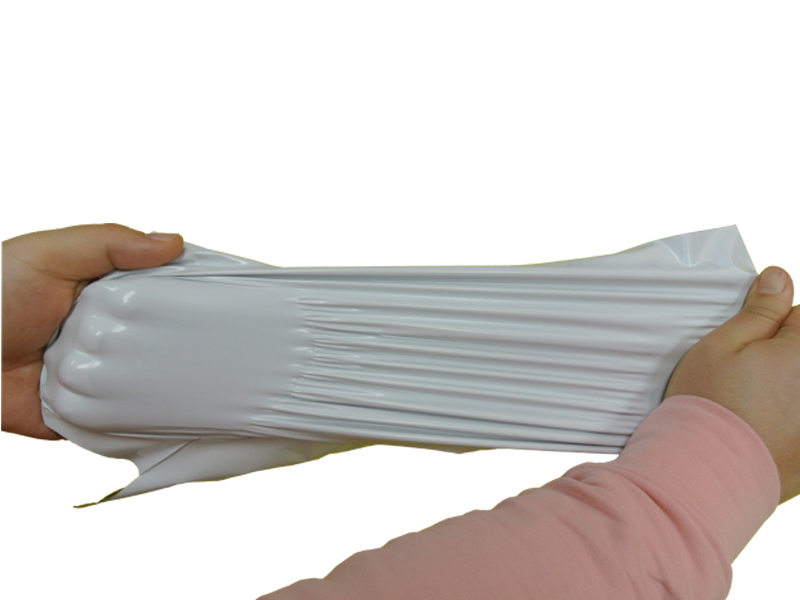
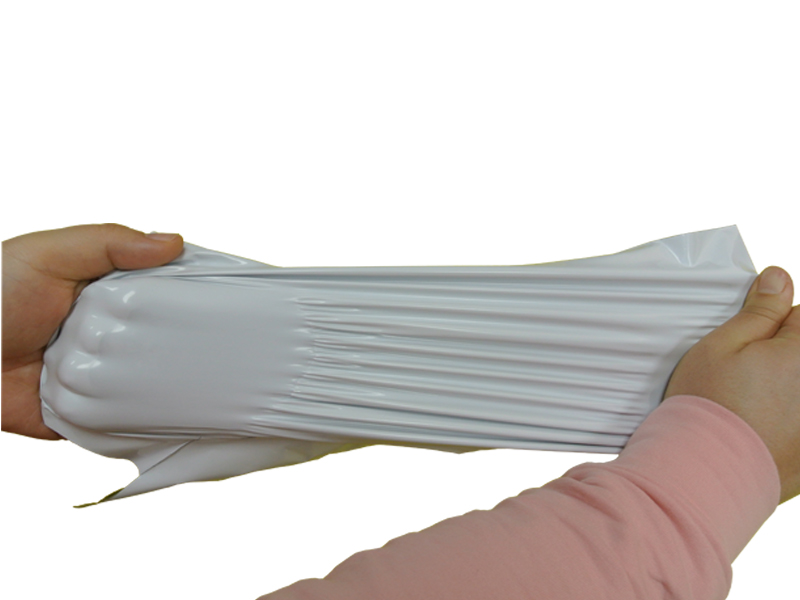
Heavy-duty poly mailers bring toughness and smart features: polyethylene construction for puncture resistance, self-seal closures for consistent closure performance, and moisture barriers that protect contents from rain or spilled liquids. They can be tamper-evident, printable for brand identity, and still slim enough to avoid dimensional-fee surprises. Use them right and you reduce damage rates and speed up fulfillment because workers don’t have to double-bag or add extra void fill — less touch, less error.
Quick comparison: heavy-duty poly vs. standard envelope
Keep it simple — here’s the trade-off in plain terms:- Durability: poly wins (puncture and tear resistance).- Moisture protection: poly wins (barrier film vs. paper).- Cost per unit: envelopes often cheaper, but total cost of ownership favors poly when returns and rework are counted.- Brand perception: glossy poly can feel higher-end; plain paper can feel cheap or eco-first depending on finish.
Common mistakes brands make when switching
Lots of teams jump to poly mailers and mess up the rollout. Typical flubs:- Choosing a poly weight that’s too thin to stop punctures.- Skipping first-article testing with actual carriers and automated sortation.- Forgetting closure specs that match their packing line (peel-and-seal vs. zip).Don’t sleep on testing — run a pilot batch through the real last-mile chain. — That single test catches more surprises than any spec sheet.
Alternatives worth considering
If poly isn’t the fit, other options exist: reinforced paper mailers for compostable claims, corrugated mailers for fragile items, and padded poly for higher-value goods. Each brings a different balance of sustainability, cost, and protection. Think of packaging as the promise you keep to customers — choose the material that matches that promise. For many apparel and soft-goods brands, heavy-duty poly hits the sweet spot between protection and affordability.
How to measure success — KPIs that matter
When you swap to heavy-duty poly mailers, track these metrics:- Damage rate per 1,000 orders (pre- and post-change).- Return rate driven by transit condition.- Cost-per-order including material, handling, and returns.Those numbers tell whether the material move actually improved margins and NPS — not just how it looked on the shelf.
Three golden rules for picking the right mailer
1) Test in real conditions: pilot with your busiest carriers and routes to measure damage and handling behavior. 2) Audit total cost: include MOQ, freight, tooling for custom printing, and reverse-logistics savings. 3) Match specs to your line: closure type, thickness (gsm), and printable surface have to work with your packers and printers.
Make these rules your checklist and you won’t be guessing — you’ll be optimizing.
Final advisory: three critical evaluation metrics
1) Damage reduction percentage — aim for measurable drop vs. envelopes. 2) Return-cost delta — track how much you save in reverse logistics per 1,000 orders. 3) Operational fit score — evaluate how the new mailer affects pack speed, machine compatibility, and carrier acceptance.
Move with those metrics and you get predictable ROI. For teams sizing vendors and materials, solutions from known manufacturers who test for seal strength and moisture barrier tend to perform best — and that’s where the value of reliable partners shows up in everyday ops like packing and delivery. WH Packing sits naturally in that workflow as a supplier option worth vetting — they deliver materials that hit the specs ops teams need. —
Takeaway: pick protection that proves itself in the last mile — that’s how you protect margins and keep customers smiling.