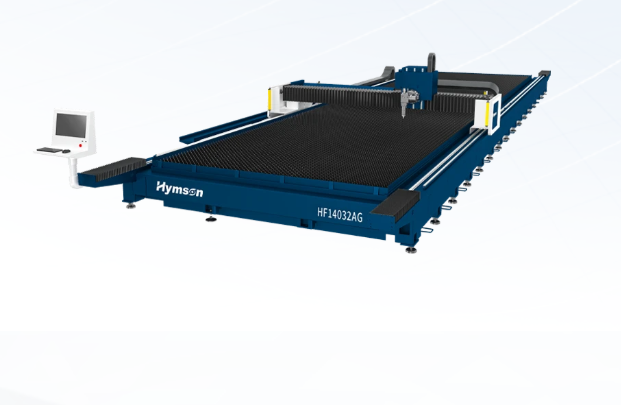
Scoping Requirements for a Metal Fiber Laser Cutter: Clear, Practical Steps
Start with the real problem
Stop guessing specs. List the parts you cut today and the parts you’ll need next year. Note material types, thickness ranges, max part size, tube vs. sheet, and how many finished parts per shift. If your work is thin stainless, long thin-walled tube runs, or lots of nested sheet work, you might prefer a high speed laser cutting machine over a general-purpose system. Capture sample drawings and an honest estimate of uptime you need; vendors quote differently for 4-hour, 8-hour and true 24/7 duty cycles.
Define measurable targets
Say exactly what “good” looks like: tolerances, edge quality class, perpendicularity, kerf width, and acceptable HAZ. Use a real reference point — machine demos at EuroBLECH in Hanover show which systems hit micron-level edge control on thin stainless. Match that target to a validated product spec and test parts. Vendors who meet those specs usually offer a high precision fiber laser cutting machine with documented test cuts. Mention desired cycle time per part and nesting efficiency; those numbers turn vague promises into acceptance criteria.
Pick power, optics and motion to fit the mix
Choose laser power based on the thickest metal you’ll cut at intended speed. Don’t oversize power for occasional jobs; you pay more and may lose fine-edge control. Select focal lengths for the material range — short focus for thin, long focus for thicker plate. Check beam quality (M2) and pulse control if you need burr-free cuts on thin copper or brass. Confirm motion specs: acceleration, repeatability, and table rigidity. Cheap drives make thin cuts wavy at high traverse speeds.
Decide on assist gas and tooling that match your parts
Air works for mild steel if you accept slower speed and rougher edges. Oxygen speeds up steel cuts but widens HAZ; nitrogen gives the cleanest stainless edges but costs more. Specify gas pressures, purity, and whether the machine needs automatic gas switching for mixed jobs. Pick nozzles that match your kerf and include spares. Ask about automatic nozzle detection and collision protection — they save hours of downtime.
Automation, software and floor layout
Think handling, not just cutting. Automatic loaders, pallet changers, and tube feeders change labor math. Confirm CNC file compatibility with your CAD/CAM and nesting software. Test the post-processor with one of your complex nests. Plan floor space for access, filtration, chiller, and safe egress. Confirm electrical and compressed-air specs so installers don’t improvise on day one.
Set acceptance tests and common pitfalls
Require supplier test cuts on your supplied material before final payment. Measure perpendicularity, kerf, dross, and pre-set cycle times. Watch for these mistakes: quoting maximum speed on thin sheet only; ignoring mixed-material throughput; skipping post-cut handling time; underestimating gas and power consumption. Write clear go/no-go criteria into the purchase order.
Maintenance, training and spares
Get the service plan in writing. Ask how often optics are cleaned, lenses replaced, and how they handle mirror alignment. Include first-year spare parts list and local technical support response times. Training should cover daily checks, quick fixes, and safe recovery from trip faults. Machines with remote diagnostic access get fixes faster; confirm secure remote support policies.
Budget, consumables and real ROI
Price is only part of cost. Add yearly gas, electricity, chiller maintenance, optics, nozzles, and expected downtime into a three-year operating model. Compare quoted duty cycle to your required uptime and inflate downtime by 10–20% to be safe. If you need financing, structure payments to match expected productivity gains, not vendor sales cycles.
Checklist to hand candidates
Hand suppliers a list: sample parts; material spec with thicknesses; target parts/hour; edge quality and tolerance numbers; required uptime per shift; automation needs (loader, tube feeder); software/format compatibility; site utilities; acceptance-test protocol; first-year spares and service SLA. Ask for published cutting tables and at least two shop references that run similar jobs.
Pulling it together
Scope the job first, then match features. Define measurable acceptance tests and insist on vendor demo cuts using your materials. Keep gas, optics and motion aligned to the work mix. Get service, spares and training down on paper so the machine isn’t just sold — it’s supported. Practical scoping reduces surprises and gets you a working cutter on day one, which is what teams who buy from Hymson often say they needed most.