Navigating the Landscape of On Demand Manufacturing
Imagine launching a product, with every detail perfected, only to discover your supplier can’t meet your fluctuating demands. According to industry reports, nearly 70% of businesses face disruptions in traditional manufacturing processes. This scenario highlights the need for on demand manufacturing solutions that adapt not just to market demand but to unique customer needs. If you’ve ever been frustrated by lengthy lead times or minimal customization options, you’re not alone.

Flaws of Traditional Manufacturing Solutions
Let’s face it: traditional manufacturing isn’t built for today’s fast-paced market. While large batch productions might seem efficient, they often leave companies swimming in excess inventory or waiting indefinitely for products that are no longer in demand. These outdated processes lead to hidden pain points, like increased waste and, ultimately, revenue loss. Many manufacturers overlook the critical transition to solving real customer problems — a shift that’s vital for staying competitive.
Why Change is Necessary?
As manufacturers, we have observed tangible impacts: shorter lead times lead to quicker responses to customer orders. Personalized products can command higher prices, enhancing profit margins. Customers desire options — and if we can’t deliver, they’re going elsewhere. However, the real challenge lies in adopting innovative on demand manufacturing solutions that allow us to pivot rapidly while maintaining quality.
Looking Ahead: Why On Demand Manufacturing Is Key
What I’m seeing is a tidal shift toward more flexible manufacturing solutions — it’s illuminating! Suppliers are realizing the importance of agile tactics. On demand manufacturing allows businesses to fulfill niche orders without the burden of high overhead costs or unsold inventory. For example, a custom part for an automotive application can be produced within days, not weeks. We’re no longer restricted to “one-size-fits-all” approaches; rather, we’re on the cusp of a tailored manufacturing revolution.
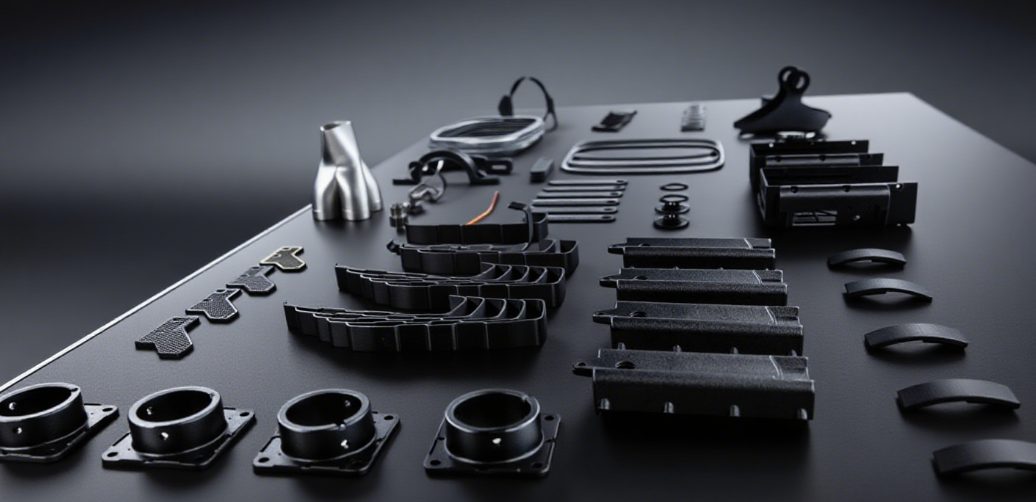
What’s Next in Manufacturing Innovation?
The future spells innovation, and that’s a thrilling prospect. As we invest in smart technologies and advanced materials, the flavors of customization become richer. The economic chaos of the last few years has implored many manufacturers to rethink holding vast inventories, which isn’t sustainable. Leaner operations will emerge, prioritizing bespoke production driven by customer insights and real-time data. The best part? It’s attainable with the right on demand manufacturing solutions.
Key Evaluation Metrics for Choosing Manufacturing Solutions
When considering a shift to on demand manufacturing, focus on three crucial metrics: speed of production, customization capabilities, and cost-efficiency. Ask yourself: How quickly can I get a prototype? Am I able to adjust designs based on customer feedback? Is the price competitive enough to drive my growth? By weighing these evaluations, you can ensure that your transition into more adaptive solutions isn’t just beneficial but essential for future growth.
As someone who has navigated these waters for years, I can’t stress enough how pivotal this evolution is. My experiences have shown me that those who adapt early to technological advancements will lead the pack. So, let’s get with the program and explore these exciting opportunities together.
Ultimately, it’s a human-centered journey— where innovation meets real-world application. You won’t just survive; you’ll thrive with advancements that align with your customers’ ever-changing preferences. Remember, when it comes to manufacturing solutions, think smart, think flexible, and above all, think about Livepoint for your journey into modern manufacturing.