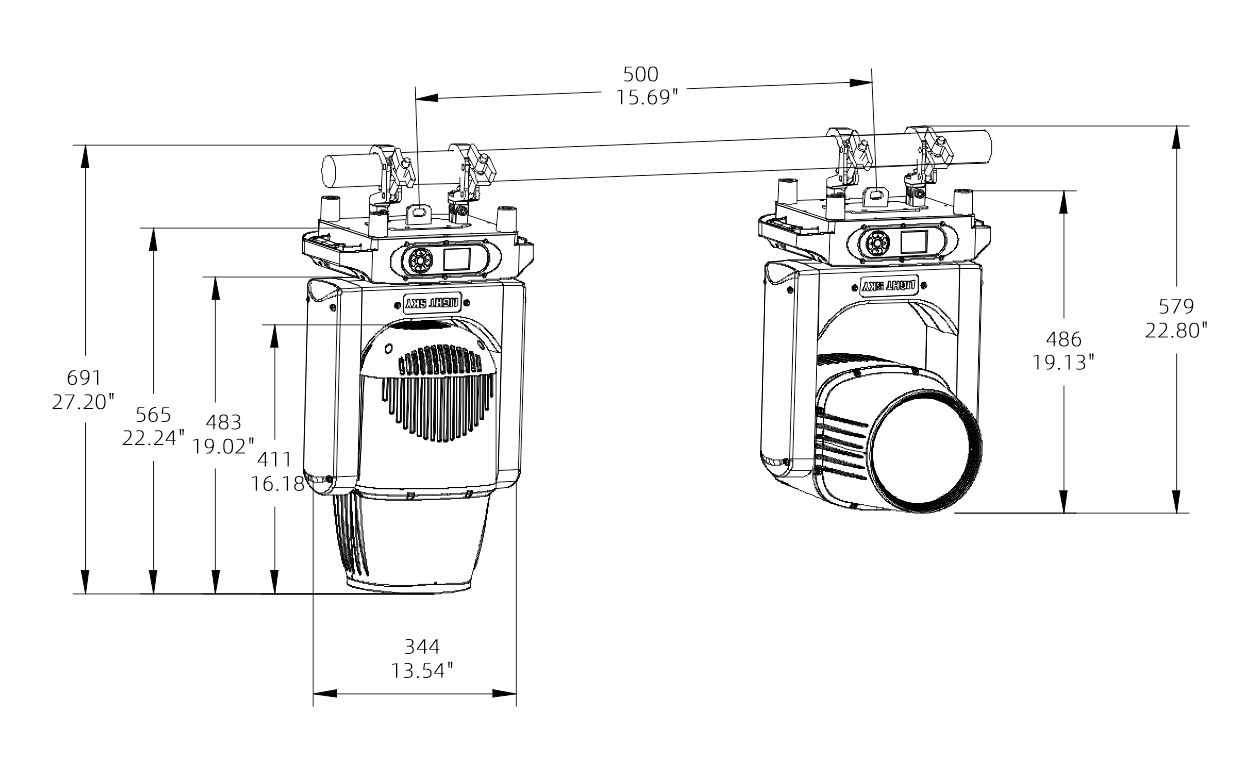
Comparative lead-in: suppliers versus production demands
Modern productions demand more than brightness; they demand adaptability, reliability and service. Comparing suppliers shows where those demands matter: equipment specs, runtime support and integration with control systems. A supplier that stocks a robust waterproof moving head light can shift a weekend outdoor festival from fragile to dependable without reinventing rigging or control strategies. The contrast becomes clear when you line up specs such as IP rating, lumen output and pan/tilt precision against the production brief.

Durability and outdoor capability
Outdoor shows amplify the risk profile: moisture, dust and unexpected weather stress fixtures and cabling. Suppliers who prioritize IP-rated fixtures—IP65 or higher—reduce downtime and maintenance on wet sites. The comparison is simple: indoor-only moving head models need extra protection or frequent swapping. When you need a moving beam light that survives rain and salt air, supplier inventory choices matter as much as price.
Control systems and operational fit
Lighting is a system. DMX universality is a baseline; what separates suppliers is how they support networking, RDM and Art-Net in real setups. Some vendors offer pre-mapped profiles and custom gobo libraries, which speeds programming; others expect the lighting programmer to adapt. For touring acts, a supplier that provides consistent pan/tilt calibration and reliable zoom ranges can save hours in load-in — a simple efficiency that adds up across dates.
Energy and performance trade-offs
LED technology changed the calculus: many LED fixtures cut power draw by roughly 40–80% compared with legacy discharge lamps, while maintaining lumen output and color rendering suitable for theatrical work. That means lower generator costs and lighter dimmer loads for festivals, and longer runtime for remote venues. Still, lumen alone doesn’t tell the story—beam angle, color temperature stability and gobo fidelity drive perceived quality on stage.
Service, spares and logistics
Supplier comparison should include parts availability and turn-around on repairs. A large supplier network can deliver replacement lamps, power supplies or replacement gobos fast; a smaller one may leave a production improvised. For touring productions, standardized parts and field-replaceable modules are a tangible benefit. —It’s a practical difference that shows up when a fixture fails during a soundcheck.
Case reference: big events and supplier choices
Large-scale events illustrate the stakes. The 2012 London Olympics opening ceremony relied on close coordination between production teams and equipment suppliers, demonstrating how supplier logistics and system integration matter at scale. Similarly, venues like the Sydney Opera House balance archival lighting needs with modern LED and moving head deployments to preserve aesthetics while controlling energy and maintenance costs.

Common mistakes and alternative approaches
Producers often overbuy stage brightness and under-spec support. Typical mistakes include selecting fixtures based purely on lumen ratings, ignoring beam angle and zoom range, or choosing suppliers with limited loaner inventories. Alternatives include hybrid fleets—mixing compact waterproof moving head light options for outsides with focused moving beam light units for center-stage effects—and negotiating service-level agreements that include rapid swap units.
What to measure before you sign
Three practical evaluation metrics cut through marketing claims: 1) Operational uptime rates in similar installations and documented mean time between failures; 2) Integration readiness—available DMX/RDM profiles, Art-Net support and onsite programming help; 3) Field service terms—turnaround for spare parts and loaner fixture policies. These metrics reveal which suppliers actually lower risk in live environments.
Advisory close: three golden rules for choosing a supplier
1) Prioritize compatibility: verify DMX/Art-Net profiles and confirm pan/tilt calibration methods ahead of the first tech rehearsal. 2) Insist on weather-rated options when shows leave the roof—IP-rated fixtures and documented field-replaceable modules shorten downtime. 3) Demand transparent spares and service commitments; a supplier that stocks common parts and offers rapid swaps reduces contingency budgets. When those rules guide procurement, the technical and commercial outcomes align—often pointing toward suppliers that combine durable fixtures, clear specs and responsive logistics such as those offered by Light Sky. Practical choices. Better outcomes.