
Introduction: The Middleweight That Feels Large
Here is the plain truth: size is not the full story on two wheels. 500cc cruiser riders see this on a normal weekday. You roll from a tight city street to a fast ring road, and the bike stays calm while others surge and fade. A 500 cc motorcycle often keeps pace with heavier machines and wastes less energy doing it — funny how that works, right? In recent tests and owner logs, mid-size cruisers showed strong midrange pull, lower heat, and lighter steering. The numbers are steady, not flashy. Yet the effect feels big. Why does this middleweight punch above its class in real life (yani)?

Think about the commute scenario, then the weekend run. You need balance, not drama. The curb weight is moderate. The torque curve is usable. The gear ratios are friendly for stop‑and‑go. This mix reduces fatigue and raises confidence. The question is simple but sharp: what hidden design choices make this ride feel larger than it looks? Let us map the pain points and see what gets solved—then we move to what comes next.
Hidden Friction: The Pain Points Most Riders Don’t Name
What do riders really fight at midrange speeds?
We often describe power, but we ride control. Look, it’s simpler than you think. The common flaw in big-cruiser thinking is overgearing and mass. At 40–90 km/h, many heavy bikes sit lazy in their torque band. You must work the clutch, and that drains you. A well-tuned 500 sits right in the meat of its torque curve. Shorter primary and smart gear ratios keep the engine in a sweet zone. ECU mapping smooths low‑throttle inputs so you do not fight the bike at every light. This is why a mid-size feels “bigger” in city flow: it responds first, not later.
There are other quiet pain points. Heat creep in traffic, vague front feel, and slow self‑centering. Here, chassis setup matters. Rake and trail are chosen for ease, not show. The ABS module avoids early lock without dulling the lever. A precise final drive keeps response neat when you roll on or off. This lets you ride longer with less tension in shoulders and hands. It is not magic. It is small choices adding up to fewer micro-corrections per minute. Over an hour, that feels like a class up.
Forward Look: How New Tech Makes the Middleweight Ride Smarter
What’s Next
From here, the progress is about refined control loops, not brute force. Modern 500s add quiet helpers: better fueling algorithms, cleaner CAN bus messaging, and lighter rotating mass. A counterbalancer cuts buzz without dulling feel. A slipper clutch eases downshifts into corners. Even simple updates, like improved compression damping in the forks, keep the tire planted on rough city seams. Add low-draw LEDs and stable power converters for nav and camera gear, and you ride longer with less strain. When you compare like‑for‑like, a thoughtful mid-size platform now mirrors features once locked to premium tiers.
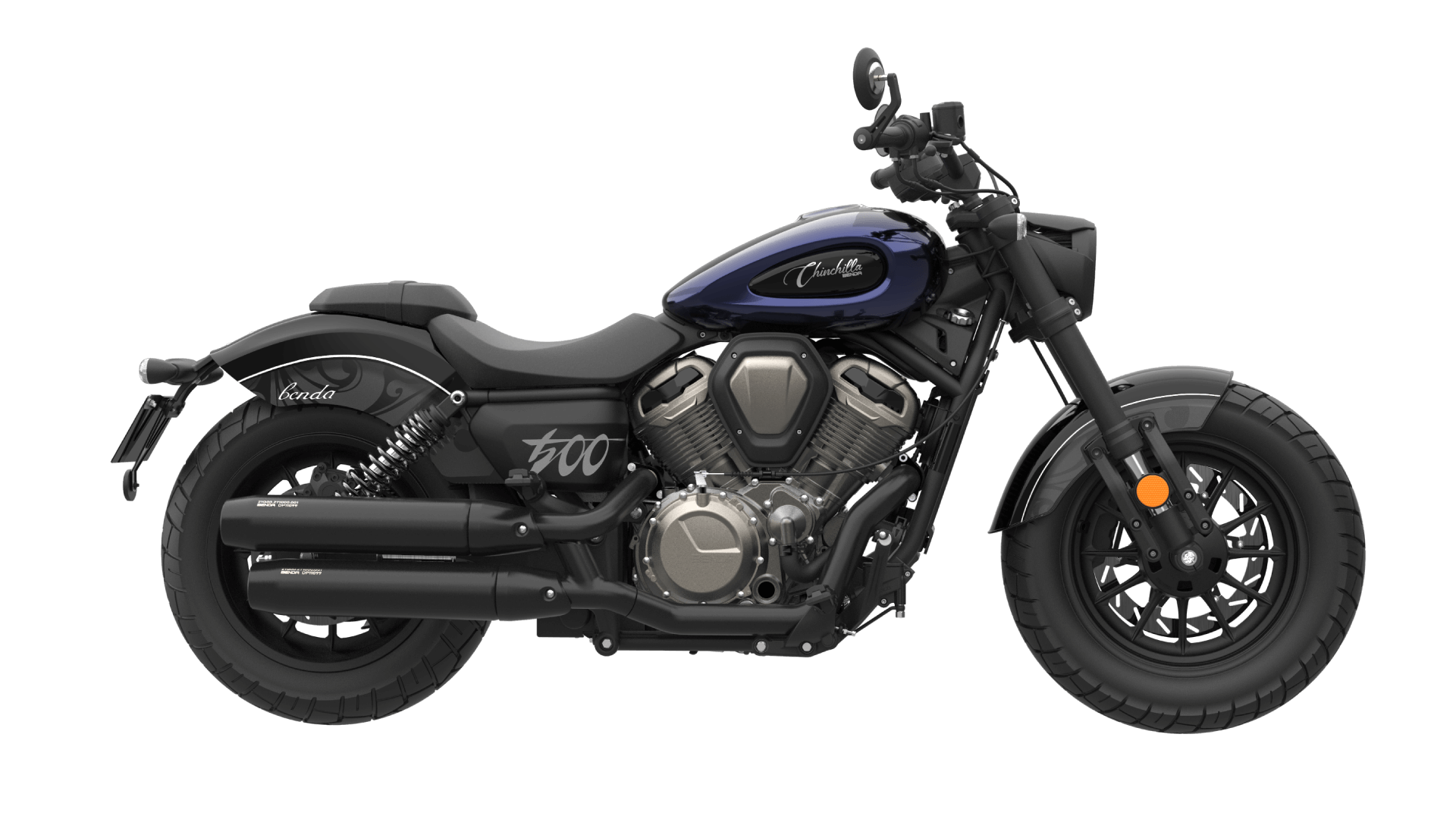
This is where a well-built 500cc cruiser motorcycle stands out. It turns “enough” power into “usable” power. The principle is clear: put the rider in charge of timing. Throttle maps that are calm at 0–10% input. Brakes that give early bite without a hard wall. A seat-to-peg triangle that keeps hips neutral, so you can pivot fast in low‑speed turns. You feel safer, you plan better, and you arrive less tired. The sum looks modest on paper, but on a Sunday loop it feels like a win — funny how that stacks, right?
So, how do you choose well, in practice? Keep it simple and measurable. First, check midrange response: does the bike pull clean from 2,500–5,000 rpm without surge? Second, test control fidelity: throttle pickup, low‑speed balance, and brake feel over patchy asphalt. Third, evaluate heat and weight management: fan behavior in traffic, real curb weight, and how the bike settles when loaded. These three metrics show you the truth faster than peak horsepower ever will. Make your decision with calm head, and your rides will prove it. For a grounded benchmark and more details, see BENDA.

