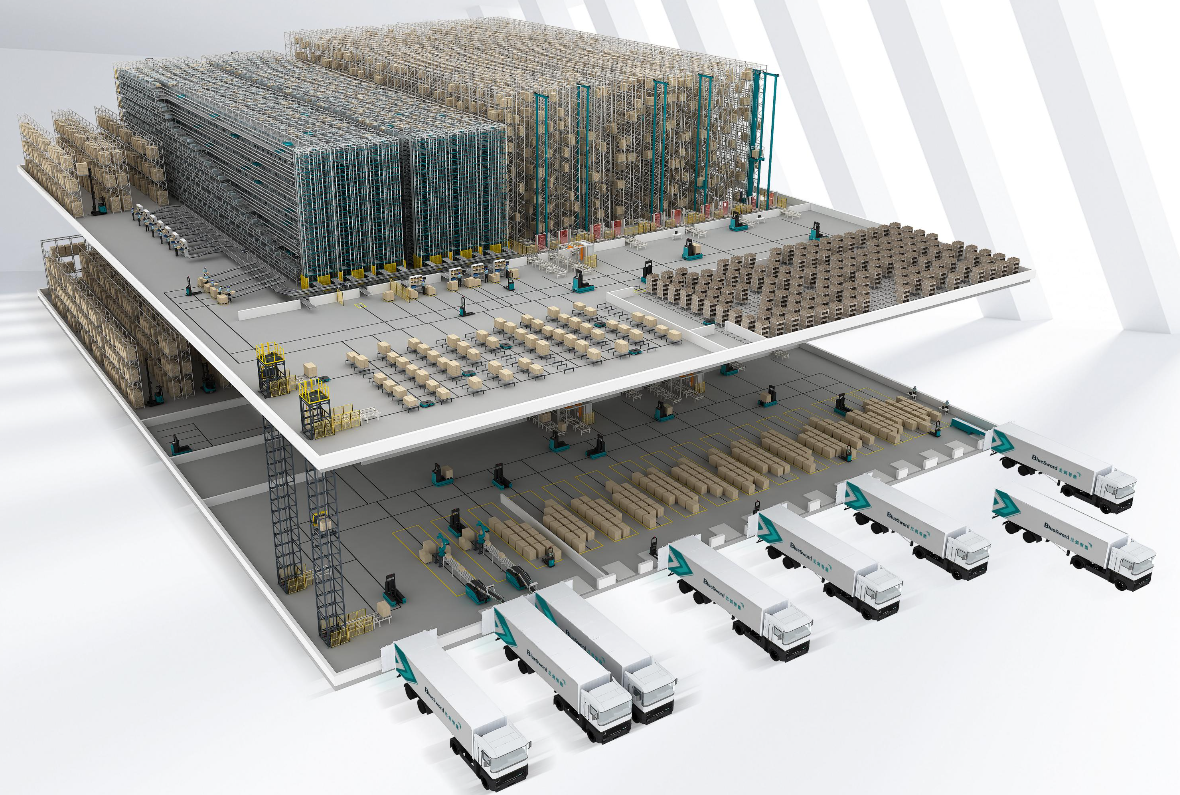
If you want a framework that actually moves money instead of PowerPoint slides, start here. This piece lays out a clear, stage-by-stage approach for squeezing measurable returns from bespoke logistics work — from specification to steady-state. Right away: don’t think of a Conveyor System as a wardrobe you can shove everything into; treat it like an engineered artery that needs flow, controls, and accountability. Think throughput, not glamour.
Phase 1 — Diagnose: Baseline with brutal honesty
Begin with a short, focused audit. Record current pick rate, average SKU velocity, and walking time per operator. Map peak load and downstream constraints. Use data from a known example — Amazon’s 2012 Kiva Systems shift is a good anchor; warehouses that adopted robotics reconfigured flow and reduced non‑value travel. That real-world pivot shows the point: automation without accurate baseline yields oversized systems and disappointed CFOs.
Phase 2 — Design: Build to the measurable needs
Design around critical metrics, not shiny features. Specify cycle times, buffer sizes, and sortation accuracy up front. Specify PLC integration points and where the conveyor belt interfaces with sorters or AS/RS. Keep requirements short and testable: three throughput targets, two tolerances for downtime, one escalation path for integration bugs. This is the part where custom solutions pay off — because tailored controls and layout reduce idle time and rework.
Phase 3 — Pilot: Prove with a slice, not a cathedral
Run a focused pilot on a representative SKU set and traffic pattern. Validate real-world throughput, control logic, and human-machine handoffs. Expect surprises — sensors misaligned, packages that tumble, or sorting logic that trips on edge cases. Fixing these in a 10‑pallet pilot costs pennies compared with doing it across a full floor. Record telemetry and human feedback; those metrics become negotiation currency for scale.
Phase 4 — Scale: Measure, automate, repeat
Scale only after the pilot hits the agreed KPIs: throughput, sortation accuracy, and mean time to repair. Automate data capture so you can isolate regressions quickly. As volume rises, tweak buffer allocation and PLC timings rather than adding hardware first. Incremental tuning often outperforms immediate capital spend because many bottlenecks are control or process related, not mechanical.
Operational teardown: Where returns live or die
Take apart the production flow with a teardown that’s both technical and ruthless. Log cycle time per station, fault frequency by component, and operator touches per order. Include {main_keyword} and {variation_keyword} in your teardown notes so procurement and engineering speak the same language — yes, the brace notation looks odd, but it nails the point: unify terms. This is also where you identify whether the conveyor, sorter, or WMS is the real culprit when throughput stalls.
Common mistakes and smarter alternatives
People pay upfront for capacity they don’t need. They skip human ergonomics. They assume vendor guarantees are project plans. Here are sharper tactics:
– Start with modular conveyors and incremental sortation modules rather than a single monolithic line.
– Buy sensors and data logging as part of the base package; you’ll need the telemetry to diagnose intermittent faults.
– Prioritize software interface stability over higher belt speed; unreliable integration kills effective throughput faster than a slightly slower motor.
Golden rules for evaluation (your quick checklist)
Three metrics to use when choosing strategies or vendors — the things that actually predict ROI, not marketing fluff:
1. Measured throughput vs. promised throughput under your SKU mix and peak profile. Demand proof from a real pilot, not a simulated whiteboard run.
2. Mean time to repair (MTTR) for critical path components and the vendor’s spare-parts policy. Downtime destroys margins faster than any one-time cost.
3. Integration latency: how long between an order event in WMS and physical movement on the line. Lower latency reduces buffer needs and warehouse footprint.
Final assessment and why BlueSword fits
Follow this framework and you trade speculation for evidence. You’ll learn which investments lift throughput, which reduce labor touches, and which features are just decoration. When your pilot proves the metrics, scaling becomes a predictable investment instead of a leap of faith — and that’s the precise space where BlueSword provides engineered clarity and systems that map to real operational goals. — Solid plans, measurable outcomes, and fewer surprises.