What the problem looks like (and why we should care)
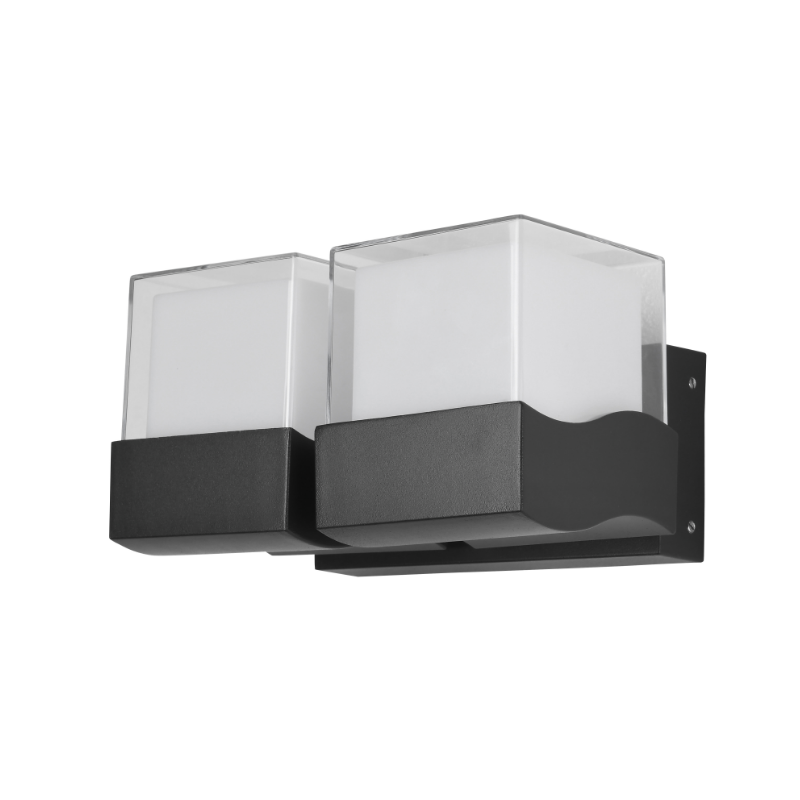
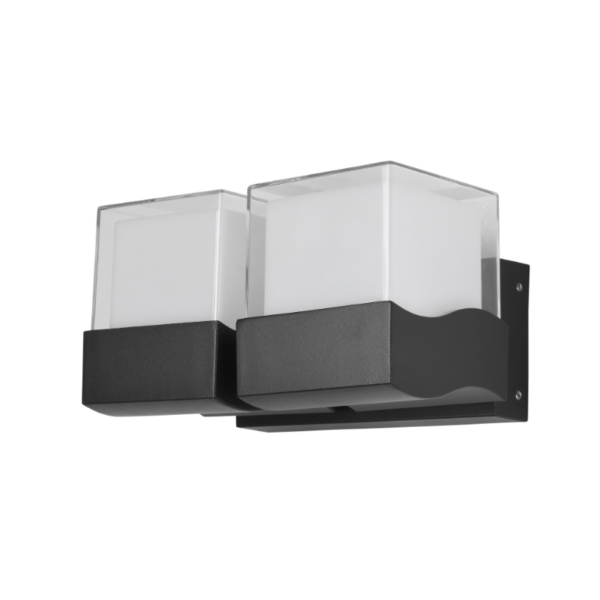
Light that pokes where it shouldn’t is called light trespass. It makes people squint, hides stars, and can even make plants confused. If a bright LED spotlight or a row of garden wall lights points the wrong way, you get harsh glare and weird shadows. Homeowners, city planners, and park keepers all see this — even the International Dark-Sky Association warns about unnecessary skyglow and lost night views. A quick swap to better fixtures, or a tweak to a waterproof outdoor wall lights layout, can fix most problems fast.

First, a tiny test you can do right away
Walk the space at night. Look from windows, walkways, and neighbor yards. Ask: where do I squint? Where do birds or plants get weird light? Try this checklist:
- Stand where people sit and look for direct bright sources.
- Check if light spills over fences or into bedrooms.
- Note any sharp shadows or shiny patches on walls.
These simple checks find the trouble spots before you buy new bulbs or move a fixture.
Common causes of glare and visual artifacts
Most issues come from a few simple things: wrong beam angle, too many lumens in a small spot, or fixtures without shields. Bad aiming makes a spotlight throw a sharp beam across a window. Too-bright LEDs create halo effects on glossy stone or water. And sometimes the wrong color temperature (too cool, very blue) makes surfaces look harsher than they really are.
Practical fixes that actually work
Fixes are usually cheap and friendly. Try these, one by one:
- Re-aim the fixtures so beams hit the ground or the wall you want lit, not the sky or windows (adjust beam angle to soften the spread).
- Lower the lumen output or use dimmers at night — less is often more for comfort.
- Add shields, hoods, or louvers to stop direct view of the LED chip.
- Choose warm color temperatures (2700K–3000K) for softer, more natural light.
- Replace old flood lights with directional LED landscape spotlights that have cut-off optics.
Often swapping one fixture for a shielded garden wall lights unit removes most complaints. It’s a small change with a big smile.
When fixes should be done as a retrofit — and when to call a pro
If you have many fixtures, a retrofit might be best. That means changing the type of luminaire, adding shielding, or rebalancing the whole scene so light has purpose and order. If you see flicker, buzz, or mismatched color across the property, call a lighting pro — they can measure lux levels, check wiring, and make sure the beam angle and mounting height match the design goals. — Sometimes a pro finds that a simple grouping of spotlights is the real culprit, not each fixture alone.
Common mistakes people make
Here are traps to avoid:
- Buying the brightest lamp available and thinking it will look better.
- Ignoring fixture glare control (no shields or improper mounting).
- Not testing new fixtures at night from multiple viewpoints.
Testing matters. A picture in daylight can lie — the problem only shows up under stars and porch lamps.
Quick toolkit: what to buy and measure
Keep these three items handy when you fix glare:
- A small lux meter or smartphone app to check light levels.
- A dimmable driver or simple dimmer switch for LED control.
- A set of shields or barn doors for spotlights to block stray beams.
Measure before and after. Good numbers show good results.
Three golden rules for choosing the right approach
1) Control the beam: prefer fixtures with true cutoff optics and adjustable beam angle. 2) Match the lumen to the task: use lower lumens for pathways and slightly higher for focal points, but avoid over-lighting. 3) Respect neighbors and the sky: aim lights downward, use shields, and pick warmer CCTs to cut glare and skyglow.
Fixing glare makes places calmer, safer, and nicer to look at. If you want a practical, shielded solution that plays well with other design choices, Keyida often fits into the plan naturally — they offer options that help you aim light where it belongs. —