Why Smart Sourcing Beats Guesswork
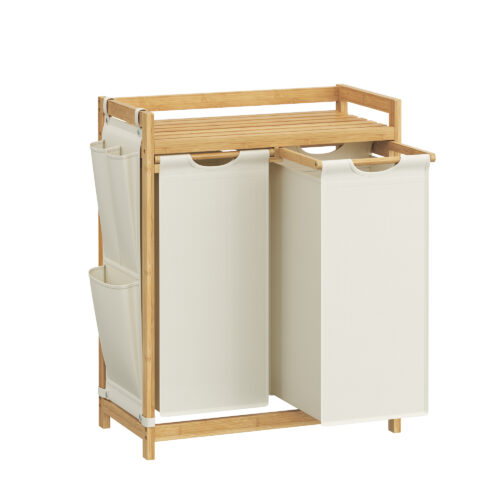
Sourcing is not a gamble; it is a system with rules, signals, and trade-offs. In a busy season, laundry basket manufacturers must balance volume, cost, and defect risk while staying on lead time. When your buyers ask for bamboo frame laundry basket wholesale at scale, the pressure spikes—MOQ rises, and small errors grow big. Data from factory audits shows return rates jump when moisture control is loose and joint strength is unclear. One buyer pulls 5,000 units with a tight promo window; another needs colorways aligned across SKUs. The stakes are simple: you want fewer defects, steady margins, and happy retail partners. Yet the path is not always clear (and that’s fine). Are you choosing materials and processes, or are you letting them choose you?
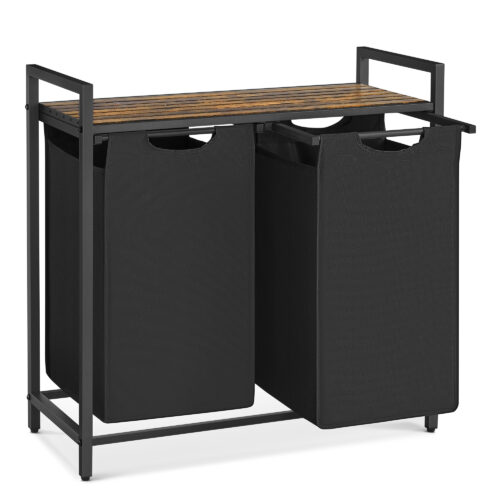
Direct answers help. Check tensile strength at stress points, confirm GSM on liners, and lock AQL before first cut. Keep your model simple, but precise. You can make smart trade-offs fast—and still protect quality. Next, let’s compare what fails, why it fails, and what to do about it.
Under the Surface: The Hidden Costs of Bamboo Frames
Where do failures start?
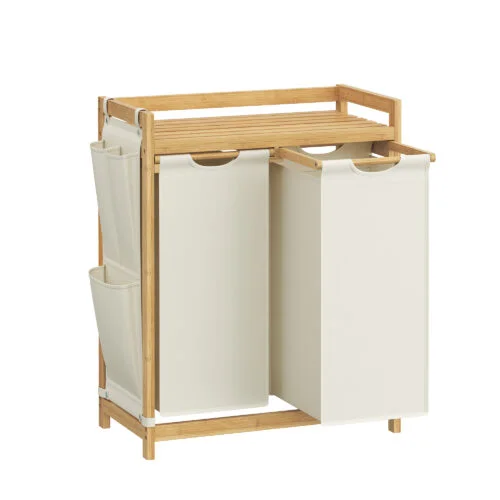
Hidden pain points show up after delivery, not during sampling—funny how that works, right? For bamboo frames at wholesale volumes, the weak links are usually moisture content, joint torque, and liner wear. Without carbonization controls, frames warp by season change. Without torque testing on fasteners, handles loosen after a few lifts. Without a clear GSM spec, canvas liners scuff early. Look, it’s simpler than you think: define the loads, then match materials to the load. A 12–15 kg load rating needs tighter fiber density and better cross-bracing. A humid route needs anti-mold treatment and sealed end-grain. These are not luxury details; they are table stakes.
Traditional fixes often miss the core. Extra varnish does not correct high moisture. More screws do not fix poor joint geometry. Visual QC cannot spot latent stress at the bend radius. Instead, align three controls: moisture content at intake (8–12% is common), torque testing at the handle interface, and fabric GSM verified against abrasion cycles. Add a simple AQL plan with pre-shipment pull tests. When you scale wholesale, drift is the enemy—tighten specs, not just talk. The payoff is fewer returns, steadier lead time, and cleaner cost-of-quality curves.
Future-Fit Choices: Bamboo vs. Canvas, Process vs. Promise
What’s Next
Now the forward view. New process controls are reshaping how we build and compare baskets. Laminated bamboo ribs reduce micro-cracks, while bio-based PU coatings seal fibers without heavy gloss. On the line, small edge computing nodes feed torque and humidity readings to a dashboard; low-power sensors run through simple power converters. This is not hype. It means a predictable frame, even when routes shift or storage stretches. Against this, consider fabric priorities. If your mix leans textile, partnering with experienced canvas laundry basket manufacturers gives you control on GSM, seam strength, and dye fastness—different levers, same discipline.
Here’s a practical case. A mid-market retailer split its line: bamboo frames for premium sets, canvas bodies for family-size bins. They set moisture gates on bamboo intake and added ultrasonic riveting on high-stress joints. For canvas, they locked a 300–360 GSM band and ran abrasion tests at the start of each lot. Returns dropped by 22% in two cycles—because the team compared processes, not just materials. And yes, it felt slower at first—until lead times stabilized. That’s the quiet win.
Comparative takeaways, short and clear. Bamboo excels in structure and aesthetics when the frame is dry, sealed, and tested at load; canvas excels in modular capacity and washability when GSM and seams are locked. Choose with intent. Advisory close: first, verify moisture content and coating spec against your climate and route; second, confirm load rating with torque testing at the handle and joint; third, require process control—simple AQL, inline sensors where possible, and audit-ready QC logs. Keep it human, keep it measurable, keep it repeatable—because reliability scales trust. For steady sourcing and clean execution, align partners early, document the spec, and iterate small. Learn once, repeat often. SONGMICS HOME B2B