Problem first: why you need a solution
Ponds stagnate. Algae blooms, bad smell, mosquitos, and stressed fish follow. A simple floating water feature fixes a lot of that by increasing circulation and aeration. If you’re on a budget and don’t want a contractor, this guide walks you through installing a pond fountain yourself, step by step. You’ll learn about pumps, nozzles, floatation, and basic maintenance so the fountain actually improves water quality instead of making more work.
Real-world anchor and the core problem
Aeration matters. Dissolved oxygen (DO) below ~3 mg/L stresses most pond fish; above 5 mg/L is a safer target. Fountains help raise DO by mixing surface and deeper water. Treat that DO range as your performance benchmark—measure it with a cheap test kit after installation. This is a practical target, not theory, and it’s what separates a decorative trick from an effective floating fountain.
Tools and parts you’ll need
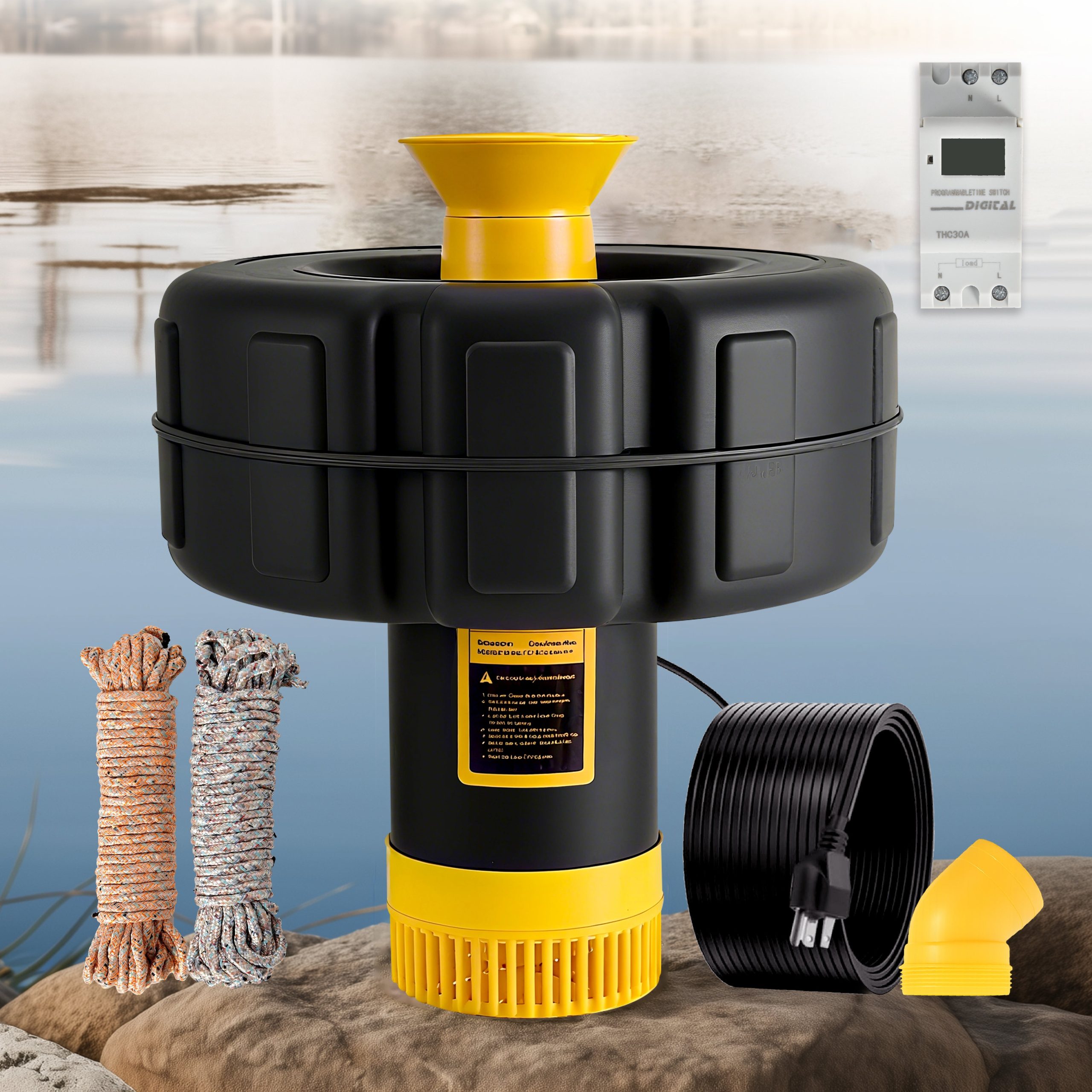
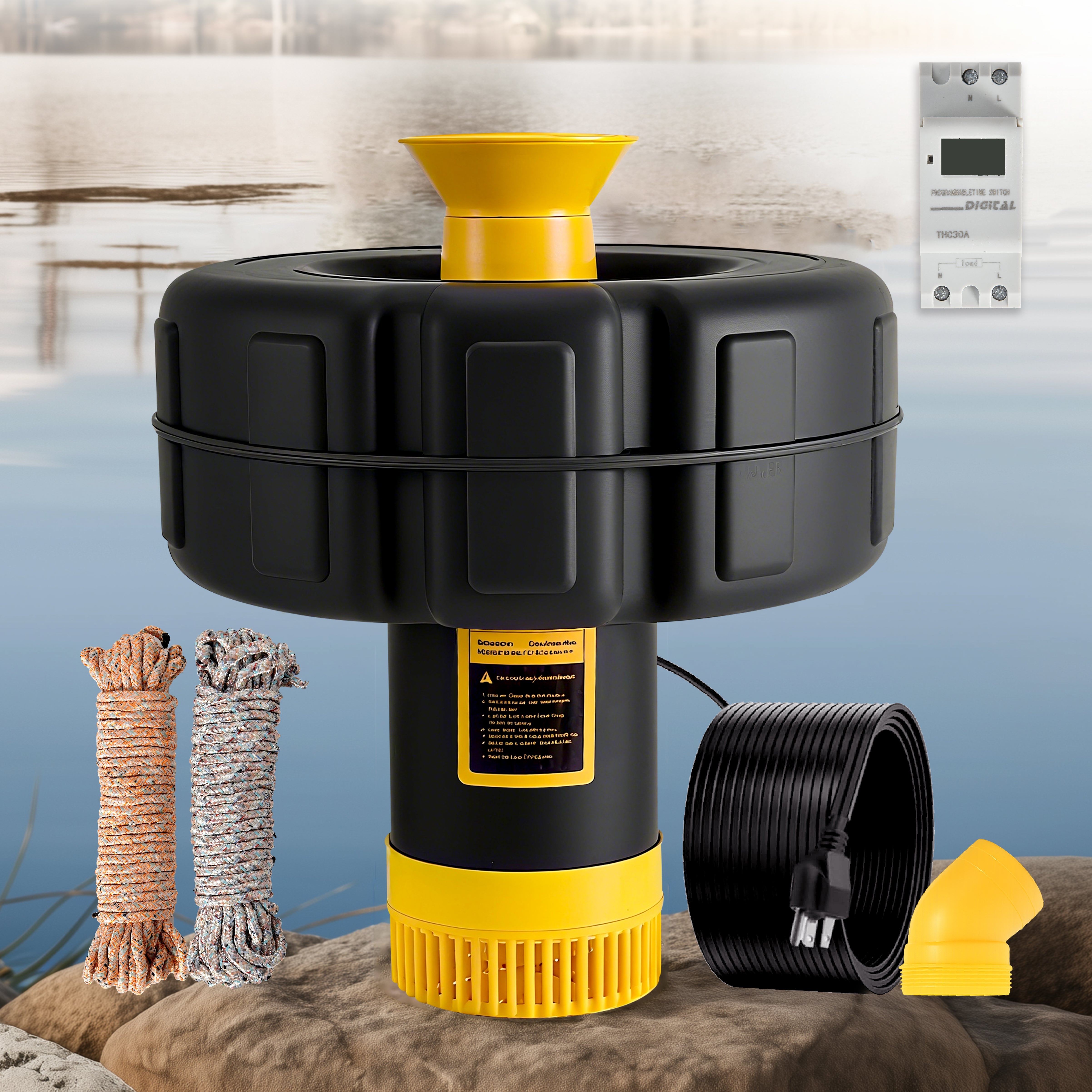
Gather this before you start: a quality submersible pump sized to your pond, a float platform, a nozzle kit (or interchangeable nozzles), hose or quick-connect tubing, an extension cord with GFCI protection, simple anchoring gear (weights or tethers), and a basic water test kit. Industry terms to know: flow rate (GPM), head (vertical lift), and nozzle type. Buying the right pump up front prevents a lot of rework.
Sizing the pump and matching nozzle
Match pump flow rate to pond size. A common rule: aim for at least one turnover every 2–4 hours. So for a 1,000-gallon pond, target a pump that can move 250–500 GPH (about 4–8 GPM). Factor in head-loss from hoses and nozzle height—if your nozzle throws water high, pick a pump with extra head. Nozzle choice shapes the fountain pattern and affects aeration; wider spray means more surface contact and better oxygen transfer.
Platform and flotation options
You can use a purpose-built floating base or DIY with sealed foam pontoons and a plywood deck treated for water. The platform must keep the pump intake submerged but clear of bottom debris. If you expect waves or wind, choose a lower-profile platform. Secure the pump to the platform so it stays upright when you move it into position.
Site selection and anchoring
Pick a spot central to the pond’s surface area to maximize circulation. Avoid areas with heavy shade where debris collects. Anchor the fountain so it drifts minimally—use a small tether to a weight on the pond bottom or a discreet shore cleat. Don’t anchor too tight; allow some give so the wind can shift the unit slightly without tipping it.
Step-by-step installation
1) Test the pump on shore to confirm flow and nozzle behavior. 2) Attach hose and nozzle; tighten connections. 3) Mount pump on platform and balance flotation. 4) Place fountain gently on pond; plug into a GFCI-protected outlet. 5) Adjust nozzle height and angle for desired pattern and aeration. 6) Run for an hour and re-check float balance and intake clearance.
Common mistakes and quick fixes
People often pick underpowered pumps, forget head loss, or let the intake sit too close to the bottom. Underpowered pumps = weak spray and poor aeration; get a pump with spare head. If the intake clogs, add a pre-filter or raise intake above the muck line. If spray is too thin or blows apart in wind, try a different nozzle or lower the throw height—sometimes less is more. —
Maintenance routine (simple, regular tasks)
Check the intake screen weekly during heavy leaf fall and monthly otherwise. Clean nozzles if spray gets uneven. Test DO and pH monthly the first season to establish a baseline. Winterize by removing the pump if you live where freeze/ice will damage it, or use a heater-rated pump designed for cold climates. Basic maintenance keeps your fountain performing and prevents expensive repairs.
Alternatives and when to choose them
If you need stronger aeration than a fountain can give, consider an aerator with diffusers or a pond aeration system that places compressed-air diffusers on the bottom. For small water features, a simple circulating pump with a waterfall spillway may look better and move water more quietly. For large ponds or stormwater basins, modular floating fountains for ponds with multiple nozzles and higher-capacity pumps are the better choice.
Quick recap of what works
Size the pump to the pond and nozzle. Balance float and intake height. Anchor smart. Test DO to confirm the fountain is doing real work. Those are the practical levers that turn a decorative unit into a health-improving installation.
Three golden rules for selecting parts and tactics
1) Match capacity, not price: pick a pump rated for the turnover and head you calculated. 2) Prioritize reliability: choose proven nozzle and pump brands with spare parts available. 3) Measure results: use DO and visual clarity as acceptance criteria after 30 days. These rules cut guesswork and save time.
Installed right, a floating fountain gives you better water and fewer headaches. For straightforward, reliable pond solutions that balance function and fit, Orison. —