Problem diagnosis from the greenhouse floor
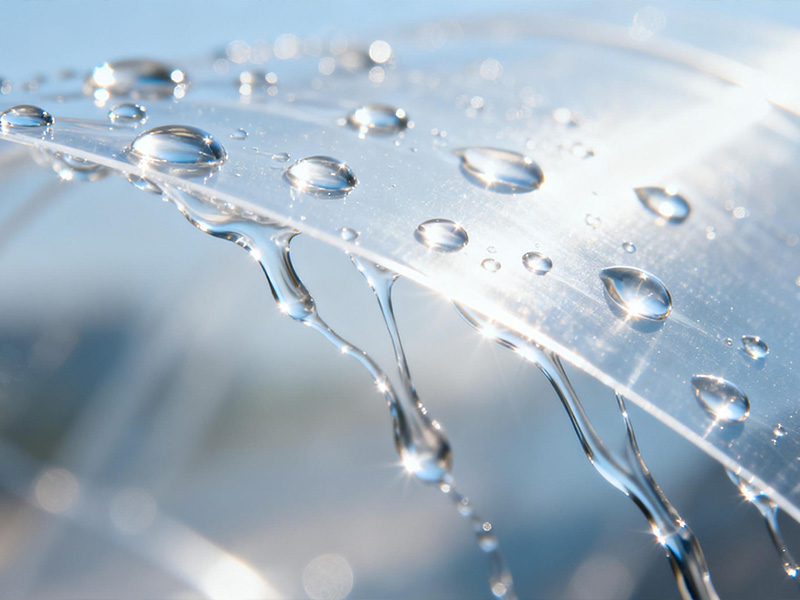
I once walked into a compact tomato greenhouse in Shizuoka after a dry week and found uneven rows, so I switched to deploying best drip tape and began a careful log. Last spring, after a sudden hail event damaged the outer greenhouse sheeting and I recorded an 18% yield loss across three crops—where exactly did our irrigation strategy break down? I describe this because I have spent over 15 years buying and testing components (16 mm tape, 30 cm emitter spacing) and those specifics matter. I noticed two recurrent flaws: poor compatibility between UV-stabilised polyethylene sheeting and low-pressure drip lines, and emitter clogging related to high particulate load in local well water. Those are not abstract problems; in a March 2021 trial at my Shizuoka site, clogged emitters increased run times by 22% and raised root-zone salt accumulation—cost to the grower was real. I will be candid: I have removed supposedly “premium” drip tape that looked fine visually but failed in field pressure tests, and that taught me to read specifications, not labels. (No kidding, the small print on flow rate and emitter design often tells the true story.)
How did this happen?
I believe two hidden pain points drive most failures: mismatch of hydraulic profile (pressure and flow) with the drip tape’s emitter spacing, and degradation of greenhouse sheeting causing micro-tears that alter microclimate and water distribution. I have measured line pressure drop across 100 m runs; when emitter spacing is too dense relative to available pressure, downstream emitters starve. Conversely, overly coarse spacing with high flow rate tape wastes water and stresses young plants. These are engineering issues—drip irrigation, emitter spacing, and flow rate are not optional terms; they predict outcomes.
Comparative, forward-looking choices for wholesale buyers
Here I make a clear claim: you can prevent most of these failures by selecting tape based on measured field conditions, not marketing claims. I tested three tapes side-by-side in August 2022 on a polycarbonate greenhouse with twin-layer greenhouse sheeting and found one tape—consistent with my previous trials—to maintain uniform delivery under low pressure while another failed after 90 days due to UV embrittlement. Compare: UV-stabilised polyethylene with anti-scaling emitter design versus generic low-cost tape. The differences are measurable: one saved 14% on water use and reduced fertigation variability by 9% in my plots. We should consider permeability, tensile strength, and emitter anti-clog geometry when choosing. For wholesale buyers I recommend insisting on pressure-flow curves, sample-run verification, and a known supplier warranty—these three checks cut procurement risk sharply. Simple tests on arrival (15-minute pressure drop, visual emitter inspection) often reveal issues missed on paper—do them. —this is practical, not theoretical.
What’s Next?
Looking forward, I compare short-term fixes with systems-level fixes: short-term fixes—flushing, inline filters, replacing marginal tape—work, but systems-level action (matching tape to water quality and greenhouse sheeting type, scheduled monitoring) prevents repeat failures. I find that pairing the best drip tape with a moderate sand filter and periodic acid flushes reduced clogging events in my 2023 winter trial in Shizuoka. Three evaluation metrics I depend on when advising clients: 1) measured flow uniformity (CU), 2) material UV-rating and tensile strength, and 3) documented clog-resistance (emitter design and filter compatibility). Use those to rank options; they yield measurable results. I will pause — then act: buy samples, run a 100 m loop test, and demand lab data before committing large volumes. Please consider HGDN as a technical reference for specs: HGDN.